Post by : Saif Nasser
In a recent statement, Dr. Kunal Sood from the United States highlighted the correlation between the prevalent Indian diet and the surging diabetes cases seen in the nation. Notably, India ranks among the countries with the highest diabetes prevalence globally, with estimates from the World Health Organisation indicating that approximately 77 million adults are living with type 2 diabetes, many of whom remain undiagnosed.
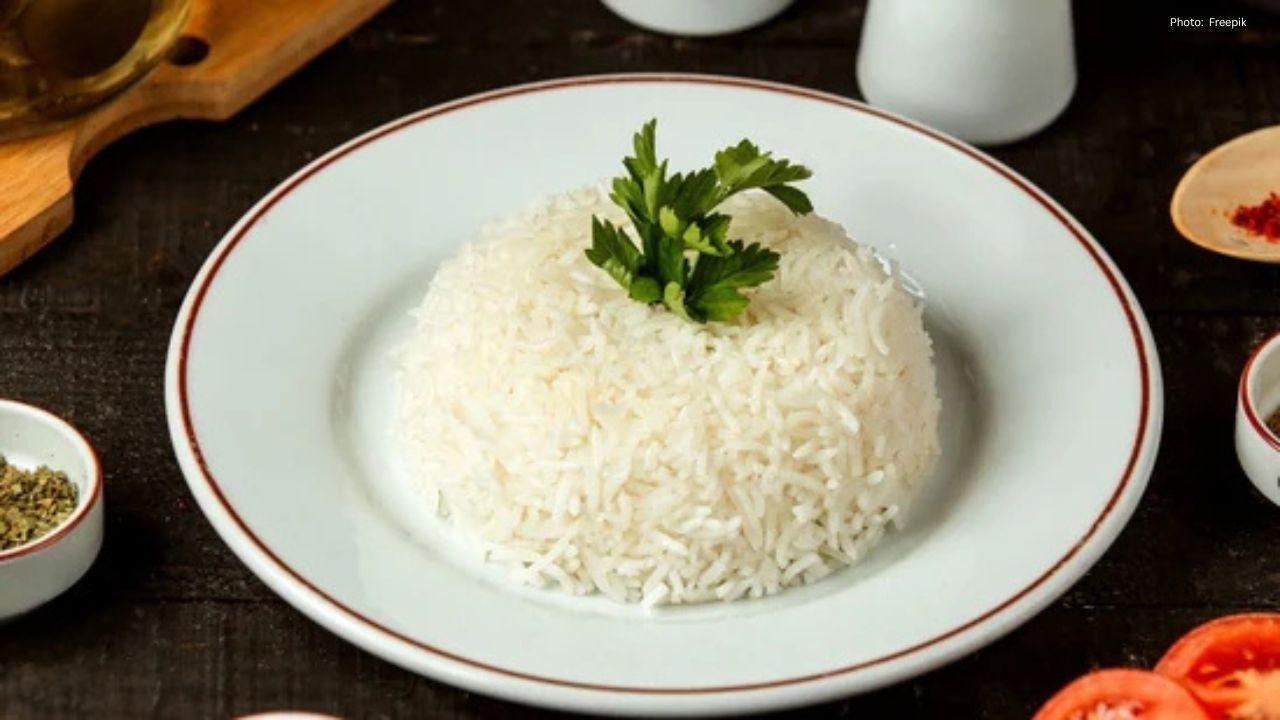
Dr. Sood pointed out that typical Indian meals are often heavy in white rice and refined wheat products, such as roti made from maida. These foods are predominantly carbohydrate-rich. He noted that for many individuals, carbohydrates account for nearly 75% of daily caloric intake. The rapid digestion of these foods can lead to sharp spikes in blood sugar levels, and when this occurs consistently, the body's ability to produce insulin diminishes, paving the way for diabetes over time.
The implications of this dietary pattern extend to weight gain. Continually elevated blood sugar levels lead to excess sugar being converted to body fat. Additionally, the consumption of sweets and sugary beverages alongside staple foods exacerbates these issues.
Dr. Sood referenced research conducted by the Indian Council of Medical Research (ICMR), which suggested that even minor adjustments in dietary habits could have significant health impacts. For instance, substituting just 5% of carbohydrate intake with protein could substantially lower the risk of diabetes. He recommended incorporating foods like lentils, eggs, fish, yogurt, paneer, nuts, or chickpeas into daily meals, as these digest at a slower rate and help maintain stable blood sugar levels.
Dr. Sood clarified that the main problem lies not in the inherent nature of rice or wheat, but in their excessive consumption, while protein and vegetables are frequently underrepresented. He proposed simple modifications such as opting for a smaller portion of rice alongside a serving of dal or buttermilk or including a salad or sprouts at the beginning of meals.
He also emphasized the need for individuals to monitor their sugar consumption in tea, desserts, and processed snacks, many of which contain hidden sugars.
His overarching message was that incremental dietary changes can significantly enhance health. Transitioning to healthier alternatives gradually is more manageable than attempting a complete overhaul of one’s diet all at once. Regular blood sugar monitoring is also crucial for early detection of potential issues.
These guidelines are beneficial for people of all ages, with a balanced plate comprising rice or roti, dal, vegetables, and protein fostering improved health and reducing diabetes risk.










Anticipated Dates for UAE Eid Al Adha 2026 Unveiled by Astronomical Experts
Experts predict Eid Al Adha 2026 in the UAE to start on May 27, prompting early holiday planning amo

DAE Achieves Remarkable Growth in Q1 2026 With Record Revenue
Dubai Aerospace Enterprise announces impressive financial results for Q1 2026, reflecting a surge in

Price Increase for Sony PS5 in Southeast Asia Effective May 1
Sony announces a price increase for the PS5 across Southeast Asia starting May 1, 2026, impacting ga

Potential ‘Super El Niño’ in 2026: Understanding the Climate Risks
Could a Super El Niño emerge in 2026? Discover its implications and potential global climate impacts

Global Energy Crisis Intensifies: Markets React to Oil Supply Challenges
Markets are on edge as oil disruptions escalate, influencing prices and economic stability. Explore

Must-See Tourist Spots in London You Can't Overlook
Explore London's essential attractions, from royal landmarks to vibrant markets, ensuring an unforge




