Post by : Saif Nasser
Many individuals think they are effectively safeguarding their skin against UV exposure. They rely on SPF-infused makeup, seek shade, or believe overcast conditions reduce sun intensity. However, a physician from London asserts that these methods can create a misleading sense of security, potentially allowing harmful UV rays to penetrate the skin.
Dr. Sermed Mezher, a family medicine expert, elaborated on social media regarding how sun damage can still occur when one believes they are adequately protected. His essential message underscores that UV radiation is a year-round threat, and protective measures need to be both robust and consistently applied.
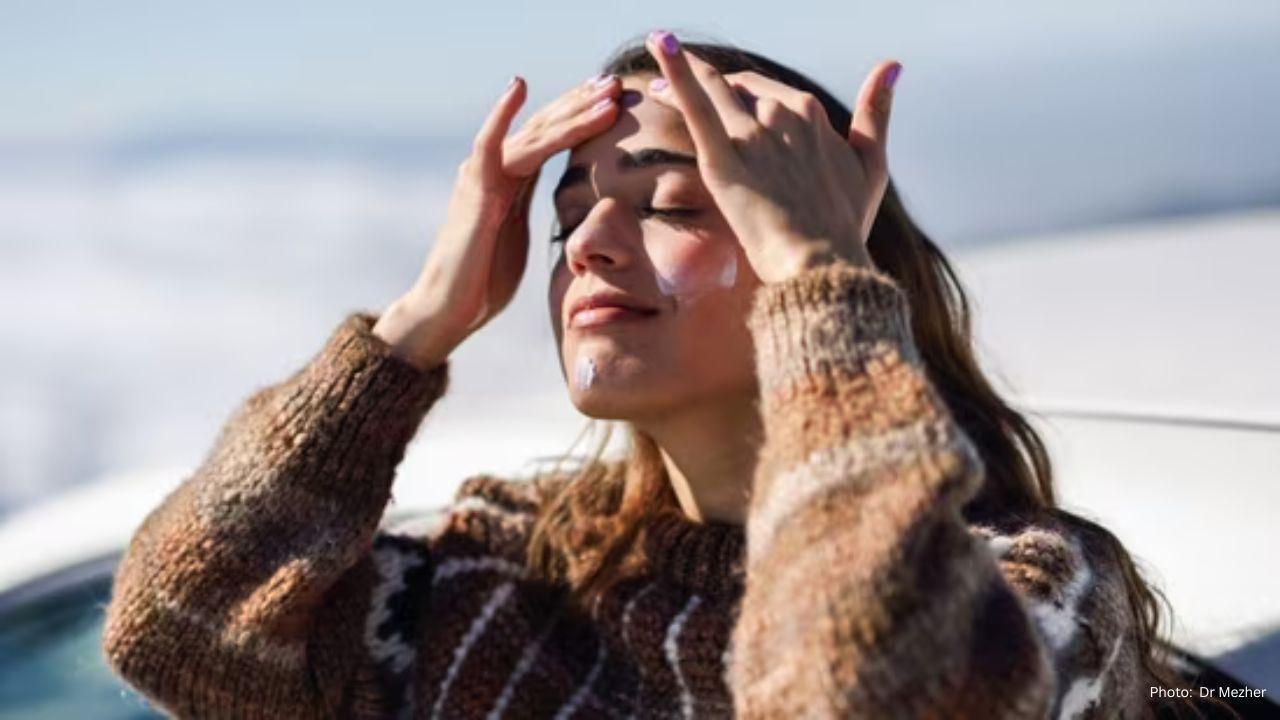
A major misconception, he highlights, is substituting makeup with SPF for proper sunscreen. Numerous cosmetic products advertise SPF ratings of 15, 30, or even 50. However, Dr. Mezher emphasizes that these SPF figures are based on applying a thick layer of the product. In practice, consumers usually apply a minimal amount, merely sufficient for a smooth appearance, which equates to significantly reduced protection. Thus, he cautions that SPF in cosmetics cannot adequately shield against UV rays; genuine protection necessitates a dedicated sunscreen underneath.
Additionally, he questions the belief that shade or cloudy skies prevent sun damage. Dr. Mezher clarifies that UV radiation can still affect skin even when the sun isn't directly shining. While some sunlight may be blocked by clouds, up to 80% of UV rays can still penetrate. Furthermore, UV radiation can reflect off surfaces like water or concrete, reaching the skin from various angles. Consequently, it's possible to suffer sun damage while under an umbrella, during a cloudy stroll, or while enjoying what appears to be safe shade. Therefore, shade provides some mitigation but doesn't eliminate the risk.
Given these widespread fallacies, he strongly advocates for daily sunscreen application, irrespective of whether it’s a sunny day or a day at the beach. Globally, dermatologists echo the recommendation of using a standalone sunscreen before applying makeup to ensure optimal skin protection.
Dr. Mezher’s caution comes at a time when there’s a noticeable increase in early sun damage signs, such as skin pigmentation, wrinkles, and heightened skin cancer risk. Many youngsters spend extended periods outside or near reflective surfaces, often unaware of the detrimental effects of UV exposure over time.
His message is simple yet powerful: true sun safety involves employing the correct amount of sunscreen, applying it properly, and reapplying as necessary. Basic preventative measures, like donning a hat, steering clear of midday sunlight, and remaining mindful of UV levels, can significantly enhance long-term skin wellness.










Anticipated Dates for UAE Eid Al Adha 2026 Unveiled by Astronomical Experts
Experts predict Eid Al Adha 2026 in the UAE to start on May 27, prompting early holiday planning amo

DAE Achieves Remarkable Growth in Q1 2026 With Record Revenue
Dubai Aerospace Enterprise announces impressive financial results for Q1 2026, reflecting a surge in

Price Increase for Sony PS5 in Southeast Asia Effective May 1
Sony announces a price increase for the PS5 across Southeast Asia starting May 1, 2026, impacting ga

Potential ‘Super El Niño’ in 2026: Understanding the Climate Risks
Could a Super El Niño emerge in 2026? Discover its implications and potential global climate impacts

Global Energy Crisis Intensifies: Markets React to Oil Supply Challenges
Markets are on edge as oil disruptions escalate, influencing prices and economic stability. Explore

Must-See Tourist Spots in London You Can't Overlook
Explore London's essential attractions, from royal landmarks to vibrant markets, ensuring an unforge




