Post by : Raina Nasser
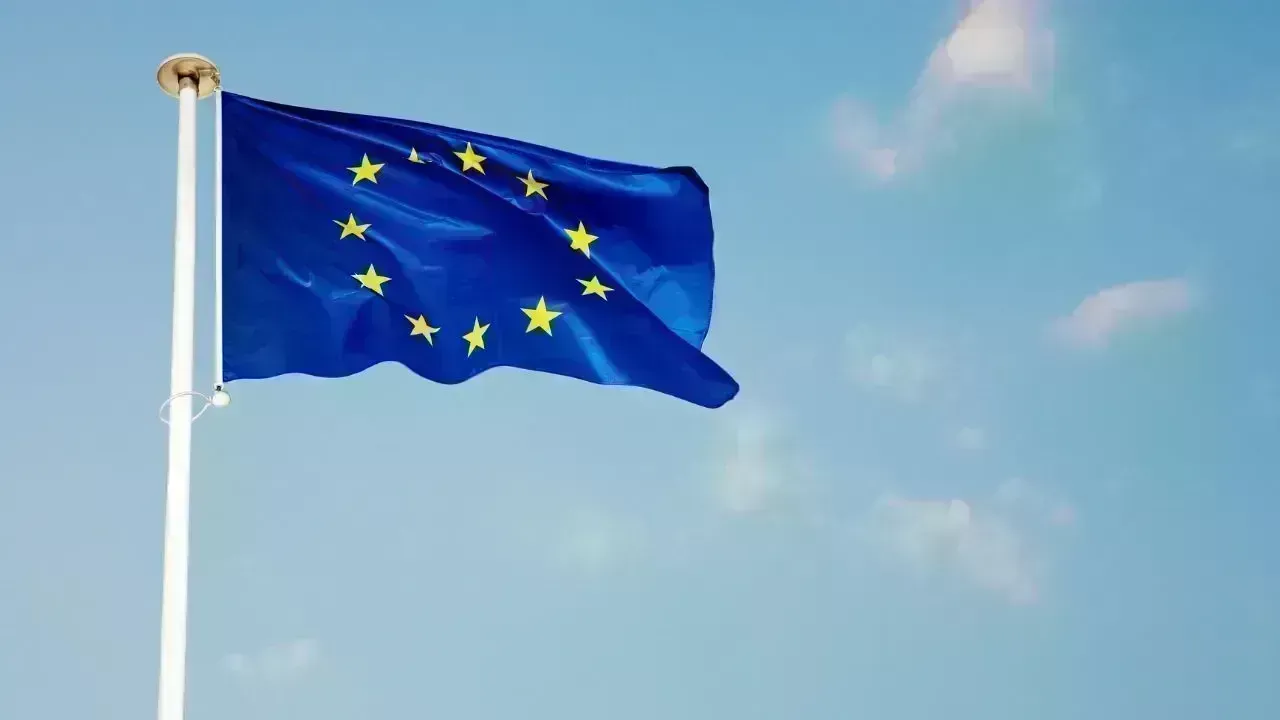
In a pivotal resolution, European Union lawmakers and member states have agreed to cease all imports of Russian gas by the autumn of 2027. This significant step aims to terminate Europe’s enduring dependence on Russian energy sources. The accord was reached after extensive negotiations among EU capitals and the European Parliament, representing a compromise between the initial push for a more immediate ban. This decision is a direct response to Russia’s invasion of Ukraine and the utilization of energy supplies as a geopolitical leverage, showcasing the EU's commitment to fortifying its energy security.
Ursula von der Leyen, President of the European Commission, referred to the agreement as “the dawn of a new era,” highlighting the EU's trajectory towards full energy autonomy from Russia. EU Energy Commissioner Dan Jorgensen also supported this notion, declaring on social platforms that Europe has successfully “turned off the tap on Russian gas forever,” placing energy security at the forefront while standing with Ukraine during these trying times.
The Kremlin has condemned this decision, cautioning that the phase-out of Russian gas might exacerbate economic hurdles within the EU by necessitating reliance on more expensive energy alternatives. Following the new agreement, long-term pipeline contracts will be prohibited by September 30, 2027, at the latest by November 1, 2027, contingent on member states ensuring adequate gas storage. For liquefied natural gas (LNG), the ban on long-term contracts is set for January 1, 2027, while the transition from short-term arrangements will commence earlier, starting April 25, 2026, for LNG and June 17, 2026, for pipeline gas.
In addition, the EU's agreement allows companies to invoke “force majeure” to legally justify the annulment of existing contracts, supporting the bloc’s objective to eliminate reliance on Russian energy. Moreover, the Commission has been tasked to outline a strategy to phase out Russian oil imports to Hungary and Slovakia by the end of 2027, despite prior exemptions due to their landlocked situations and specific energy necessities.
Since the onset of the Ukraine conflict nearly four years ago, the EU has been striving to decrease its reliance on Russian energy. The proportion of Russian gas within EU imports has plummeted from 45% in 2021 to 19% anticipated in 2024. While pipeline deliveries have dwindled, the EU has increasingly leaned on LNG, transported via sea and integrated into its energy framework. Nevertheless, Russia still accounts for approximately 20% of EU LNG imports in 2024, translating to around 20 billion cubic meters out of an expected total of 100 billion cubic meters.
The EU’s initiative to prohibit Russian gas imports stands as a crucial maneuver to diminish Moscow’s access to substantial energy revenues, reinforcing the bloc's own energy independence and illustrating a robust geopolitical position as Europe manages persistent regional tensions.
This rewrite is crafted within a traditional journalistic framework, optimized for SEO, emphasizing terms such as EU energy independence, Russian gas ban, EU gas imports, and Russia energy dependency, enhancing their search engine visibility.





Mattel Revives Masters of the Universe Action Figures Ahead of Film Launch
Mattel is reintroducing Masters of the Universe figures in line with its upcoming film, tapping into

China Executes 11 Members of Criminal Clan Linked to Myanmar Scam
China has executed 11 criminals associated with the Ming family, known for major scams and human tra

US Issues Alarm to Iran as Military Forces Deploy in Gulf Region
With a significant military presence in the Gulf, Trump urges Iran to negotiate a nuclear deal or fa
Copper Prices Reach Unprecedented Highs Amid Geopolitical Turmoil
Copper prices soar to all-time highs as geopolitical tensions and a weakening dollar boost investor

New Zealand Secures First Win Against India, Triumph by 50 Runs
New Zealand won the 4th T20I against India by 50 runs in Vizag. Despite Dube's impressive 65, India