Post by : Saif Nasser
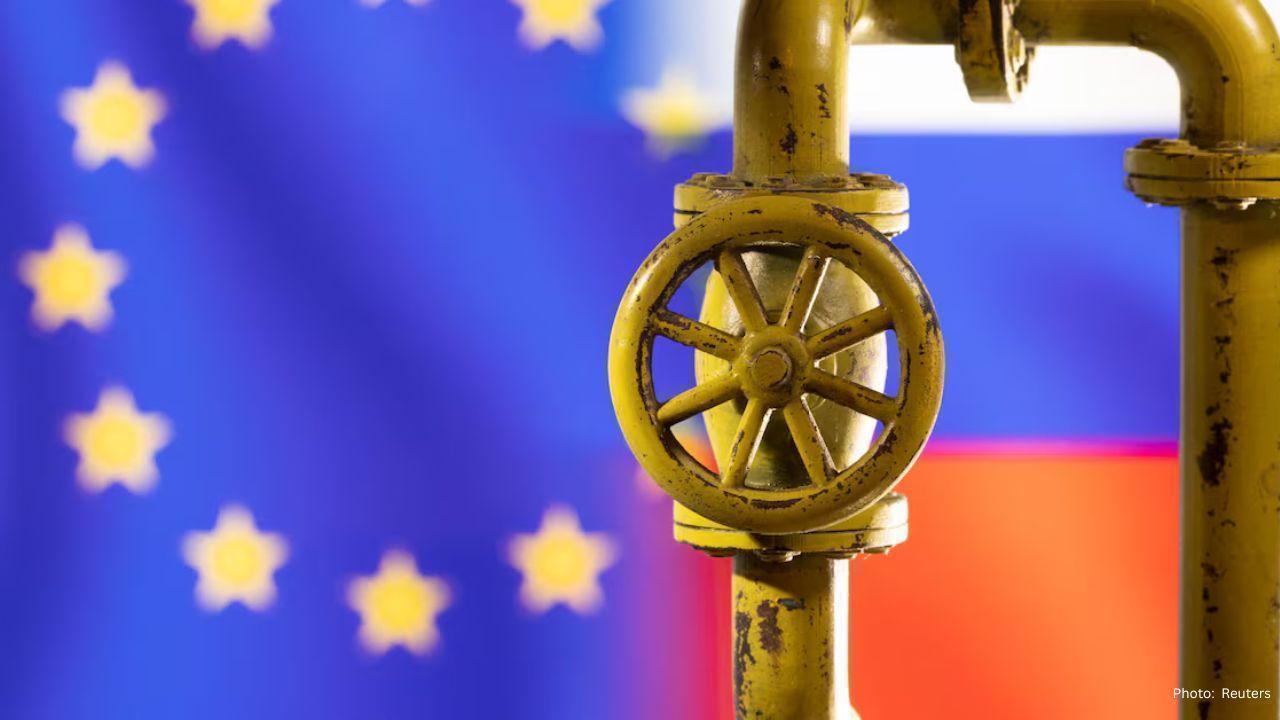
The European Union (EU) has taken a major step toward ending its reliance on Russian gas. On Wednesday, EU countries' ambassadors approved a plan to phase out imports of Russian gas by late 2027, a spokesperson for Denmark’s EU presidency confirmed. This approval clears one of the last legal hurdles before the measure can become law.
The decision comes after the EU struck a deal last week to cut ties with Russia, which was Europe’s largest gas supplier before the 2022 Russian invasion of Ukraine. The invasion pushed the bloc to reduce dependence on Russian energy and seek alternative sources.
Under the approved plan, the EU will stop importing Russian liquefied natural gas (LNG) by the end of 2026. Pipeline gas from Russia will be completely phased out by the end of September 2027.
Although the ambassadors’ approval is a significant step, the plan still needs formal approval from EU countries’ ministers and the European Parliament before it becomes law. The European Parliament is scheduled to vote on the measure next week, and EU ministers are expected to formally approve it early next year. Officials said the vote is likely to pass comfortably, although Hungary and Slovakia have expressed opposition.
Energy experts say this move is part of the EU’s larger strategy to diversify energy sources and reduce vulnerability to geopolitical conflicts. The plan also encourages member states to invest in renewable energy and infrastructure to replace Russian gas imports.
The phase-out is expected to have wide-ranging impacts. While it will reduce Europe’s dependence on Russia, it may lead to higher energy prices in the short term as countries adjust to new sources. The EU hopes that long-term investments in alternative energy, including LNG from other countries and green energy projects, will stabilize supply and costs.
This decision also sends a strong political message to Russia. By reducing dependence on Russian gas, the EU aims to strengthen its position in negotiations and make the bloc less vulnerable to energy-related pressure from Moscow.
The next few months will be crucial as the EU finalizes the legal framework and begins preparing member states for the transition. Energy ministers and lawmakers will need to coordinate efforts to ensure a smooth and steady shift away from Russian gas without causing major disruptions to households and businesses.
The phase-out marks a major milestone in Europe’s energy strategy, signaling the bloc’s determination to secure a stable and independent energy future while responding to ongoing geopolitical challenges.




Mattel Revives Masters of the Universe Action Figures Ahead of Film Launch
Mattel is reintroducing Masters of the Universe figures in line with its upcoming film, tapping into
China Executes 11 Members of Criminal Clan Linked to Myanmar Scam
China has executed 11 criminals associated with the Ming family, known for major scams and human tra
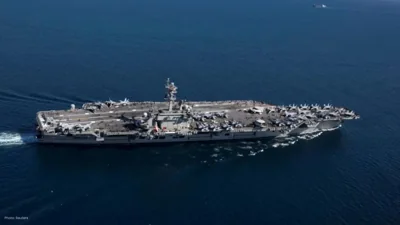
US Issues Alarm to Iran as Military Forces Deploy in Gulf Region
With a significant military presence in the Gulf, Trump urges Iran to negotiate a nuclear deal or fa
Copper Prices Reach Unprecedented Highs Amid Geopolitical Turmoil
Copper prices soar to all-time highs as geopolitical tensions and a weakening dollar boost investor

New Zealand Secures First Win Against India, Triumph by 50 Runs
New Zealand won the 4th T20I against India by 50 runs in Vizag. Despite Dube's impressive 65, India