
Post by : Anees Nasser
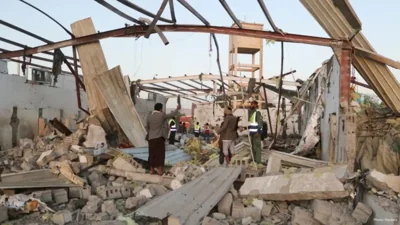
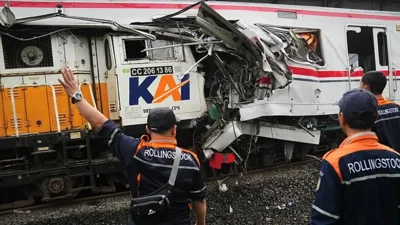
Photographs from disaster-stricken areas capture profound narratives of trauma and resilience. These images transcend mere pictures; they shape understanding of suffering and recovery. Ethical photography respects this heaviness, prioritizing humanity rather than sensational imagery.
Often, travelers may unconsciously view disaster locales as opportunities for striking visuals instead of honoring the lived experiences there. Practicing ethically involves depicting survivors with dignity and respect, rather than reducing them to mere subjects of horror.
The aftermath of disasters can leave deep emotional impacts. Survivors may grapple with grief, dislocation, and uncertainty. Shooting their image without consent could exacerbate trauma and lead to feelings of exploitation. Ethical photographers aim to protect individual dignity and acknowledge emotional boundaries.
Ethical photography should:
represent truth, without dramatization
highlight resilience rather than solely destruction
respect personal privacy and space
promote awareness instead of voyeurism
depict individuals as human beings, not mere symbols of tragedy
When driven by ethical considerations, photography transforms into a respectful form of storytelling.
Obtaining consent is a fundamental aspect of ethical photography. Survivors should be aware of:
the photographer’s identity
the purpose behind the photo
how the captured image will be utilized
their right to decline
Simply asking for permission can foster trust. This extends to families in mourning or individuals engaged in recovery efforts. Visibility in public does not equate to implicit consent.
Capturing photos of individuals in extreme distress or grief is highly sensitive. Such depictions, if taken without empathy, violate ethical standards. These instances belong to the person experiencing them, not for the photographer's dramatic intent.
Refrain from taking images that depict:
intense emotional turmoil
victims' bodies
intimate family moments
medical emergencies
individuals receiving aid in humiliating conditions
Empathy should always take precedence over artistic vision.
Disaster areas may have restricted access due to safety concerns. Always:
abide by local authority guidelines
respect no-go zones
maintain distance from active rescue operations
avoid impeding emergency responders
Your presence should enhance, not hinder, recovery.
Altering scenes to create more dramatic compositions—such as rearranging items or insistently staging survivors—violates ethical practices. Authentic photography should reflect events as they genuinely occur.
Misleading photography can:
distort reality
disregard the dignity of those affected
promote misinformation
erode public trust
Aim to document authentically, as events naturally unfold.
Responsible disaster photography goes beyond destruction. It embodies:
community strength
collaborative volunteerism
reconstruction efforts
acts of generosity
environmental rehabilitation
cultural resilience
These images balance hope and perspective, helping communities be recognized for their strength, not just their tragedy.
Locations affected by disaster are not mere backdrops for online content. Avoid:
selfies in the wake of devastation
glamorizing poses near ruins
“before-and-after” comparisons without consent
dramatic filters that romanticize loss
Exploiting tragedy for visual gain is fundamentally disrespectful.
Cultures express grief in distinct ways. Before taking any photographs, ensure you:
gain knowledge of local customs
understand mourning practices
engage with community members when possible
Cultural awareness minimizes the risk of unintentional disrespect.
Posting photos without context may lead to:
misinformation
exploitation
misinterpretation
emotional distress for those impacted
Ethical storytelling is rooted in context. When sharing images, it's crucial to specify:
when the photo was taken
the events taking place
the evolution of the situation
available resources or initiatives for aid
Providing context turns images into platforms for meaningful engagement rather than mere shock value.
Photography shouldn't be the only way to give back. Consider:
contributing to reputable local aid organizations
supporting local businesses
engaging local guides
donating supplies when feasible
sharing valuable information to assist relief efforts
Such actions of solidarity underscore the true purpose of your presence.
Capturing images of minors in disaster contexts is incredibly sensitive. Avoid doing so without:
clear consent from guardians
consideration for their emotional well-being
awareness of legal restrictions
Children should never be depicted as helpless icons or instruments of pity.
Applying respectful composition techniques can uphold dignity:
maintain a respectful distance
avoid close-ups that intrude
use angles that shield privacy
avoid capturing identifiable details without approval
Let compassion guide every photographic decision.
Certain images can reveal:
survivor locations
strategies for operations
vulnerabilities in security
the identities of those at risk
Avoid disclosing anything that could jeopardize recovery efforts or put anyone in danger.
Before photographing in a disaster setting, critically ask: “Am I serving a crucial narrative, or am I acting selfishly?”
If the answer skews toward personal gain, reconsider your actions. Ethical photography focuses on benefiting the community first.
An individual's agreement to be photographed today may differ in time. Images last indefinitely. Always consider:
avoiding intimate or distressing situations
opting for less invasive views
assessing potential future harm from the photo
Responsibility isn't confined to the moment of capture.
Travel photography in disaster regions carries profound responsibility. Ethical decisions safeguard survivors, uphold dignity, and ensure images fulfill a substantive role. The aim is not just documentation of hardship but an endeavor to celebrate humanity, support communities, and foster accountable awareness.
When conducted with sensitivity, awareness, and respect, photography becomes a conduit for understanding rather than a mechanism for exploitation.
This article offers general insights on ethical travel photography. Practices may differ, contingent on local laws, cultural disparities, and specific disaster contexts. Travelers should comply with regional regulations and seek local counsel as needed.





Price Increase for Sony PS5 in Southeast Asia Effective May 1
Sony announces a price increase for the PS5 across Southeast Asia starting May 1, 2026, impacting ga

Potential ‘Super El Niño’ in 2026: Understanding the Climate Risks
Could a Super El Niño emerge in 2026? Discover its implications and potential global climate impacts

Global Energy Crisis Intensifies: Markets React to Oil Supply Challenges
Markets are on edge as oil disruptions escalate, influencing prices and economic stability. Explore

Must-See Tourist Spots in London You Can't Overlook
Explore London's essential attractions, from royal landmarks to vibrant markets, ensuring an unforge

Ultimate Guide to Snagging Cheap Flights in 2026
Unlock the secrets to booking affordable flights in 2026 with insightful tips and strategies tailore

The Impact of Consistent Small Investments on Wealth Building
Discover how investing small amounts regularly can positively transform your financial future over t




