Post by : Mikhael Nasser
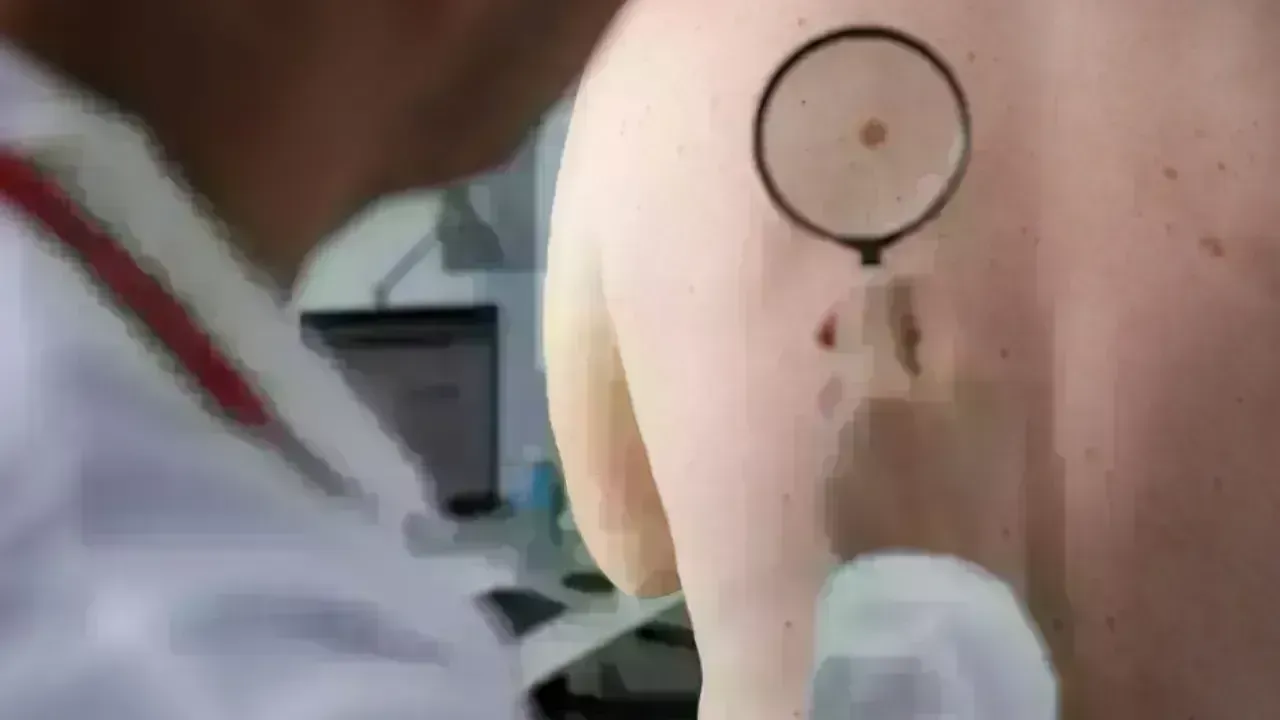
Skin cancer ranks among the most prevalent cancers globally, yet early detection remains a challenge. At first glance, skin cancer may seem benign—manifesting as a minor spot, an evolving mole, or a dry skin area. Because these alterations often appear unremarkable, they are frequently overlooked. Medical professionals caution that neglecting these signs allows the cancer to penetrate deeper layers, complicating future treatment.
Experts assert that early identification can greatly improve outcomes. When skin cancer is detected promptly, treatment becomes easier, recovery accelerates, and the likelihood of a full cure significantly increases. Recognizing the early warning signs is thus vital.
Here’s a detailed overview of five warning signs you shouldn’t ignore.
Moles are common and generally harmless, but any new mole or existing mole that appears altered should not be dismissed.
An irregularly shaped mole
Edges that seem blurred or rough
A mole displaying multiple colors, such as brown, black, red, or grey
Size increase of a mole over time
A spot that looks conspicuously different from others
Medical professionals refer to this phenomenon as the “ugly duckling sign,” indicating a mole that does not match the rest.
Most minor injuries heal within days. However, if a sore lingers for several weeks, it could signify a more serious issue, potentially skin cancer.
Frequent bleeding of the sore
Formation of crust without achieving proper healing
Healing episodes followed by reopening of the sore
Ongoing pain or itchiness
Cancerous cells can obstruct the skin's natural healing process, making it vital to consult a physician for any persistent sores.
Skin cancer might not always manifest as a raised mole; it can also present as an odd flat patch.
Dry, rough, or scaly areas
Red or irritated skin patches
Recurrent spots in the same location
Chronic itching or burning sensations
These symptoms may be confused with conditions like eczema or allergies; thus, if a patch fails to improve over weeks, professional evaluation is advisable.
New growths on the skin, especially those that are shiny or firm, should be examined as they may indicate the onset of skin cancer.
A shiny or pearl-like mass
A firm, raised bump
Easy bleeding of the lump
Continuous growth of the lump
These lumps are often found in sun-exposed areas such as the face, ears, neck, chest, or back.
Even longstanding moles can become a threat. Any noticeable change must be assessed.
The ABCDE criteria help in evaluating suspicious moles:
A – Asymmetry: Comparing the two halves
B – Border: Irregular edges
C – Colour: Presence of multiple shades
D – Diameter: Over 6 mm in size
E – Evolving: Any transformation in size or shape
Moles that become itchy, bleed, or raise should prompt immediate medical consultation.
Experts identify multiple risk factors contributing to the escalating rates of skin cancer:
Extended exposure to strong sunlight
Inconsistent sunscreen application
Frequent use of tanning beds
Residing in warmer climates
Compromised immune systems
Genetic predisposition to skin cancer
Individuals who spend considerable time outdoors are at a heightened risk.
Preventable with consistent habits, skin cancer can be effectively managed.
Recommendations from experts include:
Daily application of sunscreen with SPF 30 or more
Avoid sun exposure during peak hours (10 AM to 4 PM)
Wear protective clothing like hats and sunglasses
Conduct monthly skin checks for new or changing moles
Schedule an annual dermatologist visit for comprehensive skin evaluations
Seek medical attention if you notice any of the following:
A dubious mole or skin mark
A sore that fails to heal
Sudden mole alterations
A new itchy or irritated skin patch
Family history of skin cancer
Awareness and early medical intervention can prevent severe outcomes.
Skin cancer can develop silently without noticeable pain or clear symptoms. Hence, awareness is crucial. Recognizing early indicators like changes in moles or enduring sores can facilitate early treatment and protection.
Your skin guards your body; paying attention to its changes today will safeguard your health in the future.
This article serves to inform only and should not replace professional medical guidance, diagnosis, or treatment. Skin alterations might stem from various factors, and only a qualified dermatologist can determine their significance. If you observe any new moles, concerning sores, or atypical skin changes, seek immediate medical advice. Fast evaluation is the best way to ensure accurate diagnosis and effective care.









Anticipated Dates for UAE Eid Al Adha 2026 Unveiled by Astronomical Experts
Experts predict Eid Al Adha 2026 in the UAE to start on May 27, prompting early holiday planning amo

DAE Achieves Remarkable Growth in Q1 2026 With Record Revenue
Dubai Aerospace Enterprise announces impressive financial results for Q1 2026, reflecting a surge in

Price Increase for Sony PS5 in Southeast Asia Effective May 1
Sony announces a price increase for the PS5 across Southeast Asia starting May 1, 2026, impacting ga

Potential ‘Super El Niño’ in 2026: Understanding the Climate Risks
Could a Super El Niño emerge in 2026? Discover its implications and potential global climate impacts

Global Energy Crisis Intensifies: Markets React to Oil Supply Challenges
Markets are on edge as oil disruptions escalate, influencing prices and economic stability. Explore

Must-See Tourist Spots in London You Can't Overlook
Explore London's essential attractions, from royal landmarks to vibrant markets, ensuring an unforge




