Post by : Raina Nasser
The recent US military strike on a suspected drug-trafficking boat in the eastern Pacific has resulted in the deaths of four individuals, igniting widespread backlash regarding the US's controversial counter-narcotics initiatives. This event contributes to a troubling trend, with the Trump administration's operations already linked to over 87 fatalities, prompting critical examination of military conduct and responsibility.
US Southern Command reported that the operation targeted a vessel allegedly operated by a Designated Terrorist Organization, which was discovered transporting illegal drugs on a notorious smuggling route. A video shared on X showed the fast-moving boat being hit, erupting into flames shortly afterward.
This operation follows a highly contentious incident in early September where US forces attacked a previously wrecked boat, leading to the deaths of two survivors who were trying to stay alive. The attack has sparked significant political discourse in Washington, with many lawmakers describing it as one of the most unsettling military actions in recent memory.
Democratic Representative Jim Himes, after viewing classified footage, stated that it clearly depicted US forces engaging “shipwrecked sailors” who posed no threat. He characterized the incident as “deeply troubling,” emphasizing the distress of the survivors.
Republican Representative Don Bacon supported this sentiment, stating on CNN that military rules prohibit the targeting of survivors unless they present a direct danger. “These individuals were merely attempting to survive,” he remarked, indicating they did not constitute an imminent threat.
Conversely, some officials defended the strike. Republican Senator Tom Cotton asserted that the actions taken on September 2 were “lawful” and deemed necessary, arguing that the two survivors were attempting to right their vessel and re-engage in narcotics transport.
The White House along with the Pentagon has deflected blame from Defense Secretary Pete Hegseth, directing it towards Admiral Frank Bradley, who was overseeing the operation. Reports suggest that Bradley informed lawmakers that Hegseth did not authorize the execution of all crew members; however, critics believe the defense secretary should bear ultimate accountability.
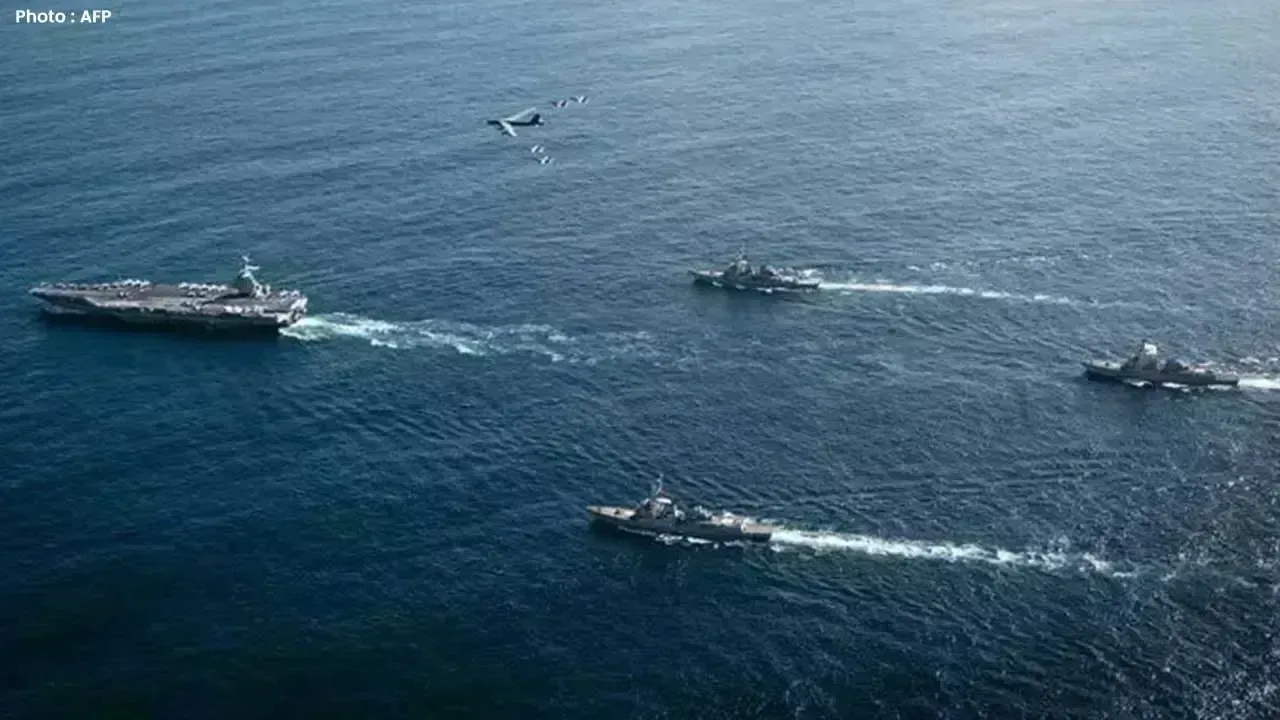
The Trump administration argues that the US is effectively at war against “narco-terrorist networks,” justifying the involvement of the world’s largest aircraft carrier and additional resources in the Caribbean aimed at bolstering counter-narcotics operations.
The US's aggressive military stance has heightened tensions within the region. Venezuelan President Nicolas Maduro has accused the US of exploiting concerns over drug trafficking to push for “regime change” in Venezuela, cautioning that further escalation may be imminent.
As inquiries proceed and political rifts expand, this strike has further thrust America’s counter-drug efforts into the spotlight, raising pressing questions regarding the ethical limits of military engagement and operational rules at sea.




Price Increase for Sony PS5 in Southeast Asia Effective May 1
Sony announces a price increase for the PS5 across Southeast Asia starting May 1, 2026, impacting ga

Potential ‘Super El Niño’ in 2026: Understanding the Climate Risks
Could a Super El Niño emerge in 2026? Discover its implications and potential global climate impacts

Global Energy Crisis Intensifies: Markets React to Oil Supply Challenges
Markets are on edge as oil disruptions escalate, influencing prices and economic stability. Explore

Must-See Tourist Spots in London You Can't Overlook
Explore London's essential attractions, from royal landmarks to vibrant markets, ensuring an unforge

Ultimate Guide to Snagging Cheap Flights in 2026
Unlock the secrets to booking affordable flights in 2026 with insightful tips and strategies tailore

The Impact of Consistent Small Investments on Wealth Building
Discover how investing small amounts regularly can positively transform your financial future over t