Post by : Saif Nasser
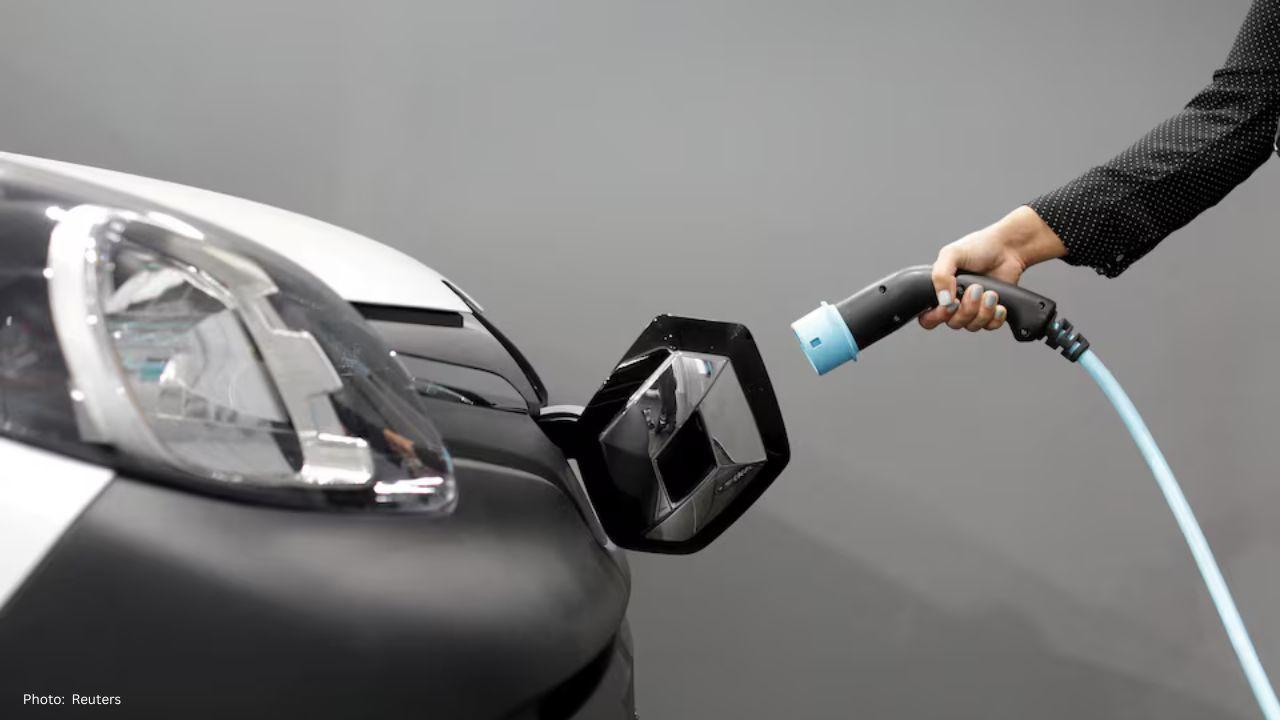
Europe has taken a step back from its strict plan to end petrol and diesel car sales by 2035, but the long journey toward electric vehicles is far from over. Industry experts say that even with this policy change, electric cars will remain the backbone of Europe’s automotive future.
The European Commission recently announced that it plans to soften the rules that would have forced all new cars to be fully electric by 2035. The decision follows pressure from European carmakers, who argue that they need more time to compete with strong rivals from China and to manage rising costs.
Under the new approach, hybrid cars, plug-in hybrids, and some vehicles with traditional engines could still be sold after 2035. Brussels also proposed a new class of small electric cars, with extra benefits for models built inside Europe. Analysts say this move gives European manufacturers more freedom to choose how they move forward.
Many experts believe the change could help Europe’s car industry survive a tough period. By slowing the transition slightly, companies can work on making electric cars cheaper and more attractive to buyers. Some analysts hope this will allow European brands to catch up with Chinese companies, which already sell low-cost electric vehicles across the continent.
Luxury carmakers like Mercedes and BMW are expected to gain from the decision, as they can continue selling plug-in hybrids for longer. At the same time, brands such as Renault and Stellantis, which focus on smaller cars for city use, may benefit from support for compact electric models designed for urban drivers.
Europe’s position now stands in sharp contrast to the United States, where President Donald Trump has pulled back government support for electric vehicles. While the US slows down, Europe continues to push forward, even if at a more careful pace.
Chinese competition remains a serious challenge. Although the EU placed tariffs on Chinese electric cars last year, many Chinese brands are still expanding in Europe. Some avoid tariffs by selling hybrids or petrol cars, especially in countries where electric car sales are still low.
Even with these challenges, electric car sales in Europe are growing. Fully electric vehicles recorded strong year-on-year growth this year and now account for a noticeable share of new car sales. However, progress is uneven, with parts of southern and eastern Europe lagging due to a lack of charging stations.
The policy shift has caused concern for companies that invested billions in electric-only plans after EU rules were passed in 2023. Still, others see a positive side. The new flexibility could encourage carmakers to work together on affordable electric platforms and share technology to cut costs.
A slower move toward full electrification may also give governments more time to expand charging networks, which many drivers see as a major obstacle to buying electric cars.
While the EU has adjusted its timeline, the destination remains the same. Electric vehicles may arrive more gradually than first planned, but they are still set to define the future of Europe’s car industry.







Mattel Revives Masters of the Universe Action Figures Ahead of Film Launch
Mattel is reintroducing Masters of the Universe figures in line with its upcoming film, tapping into

China Executes 11 Members of Criminal Clan Linked to Myanmar Scam
China has executed 11 criminals associated with the Ming family, known for major scams and human tra

US Issues Alarm to Iran as Military Forces Deploy in Gulf Region
With a significant military presence in the Gulf, Trump urges Iran to negotiate a nuclear deal or fa

Copper Prices Reach Unprecedented Highs Amid Geopolitical Turmoil
Copper prices soar to all-time highs as geopolitical tensions and a weakening dollar boost investor

New Zealand Secures First Win Against India, Triumph by 50 Runs
New Zealand won the 4th T20I against India by 50 runs in Vizag. Despite Dube's impressive 65, India