Post by : Anees Nasser
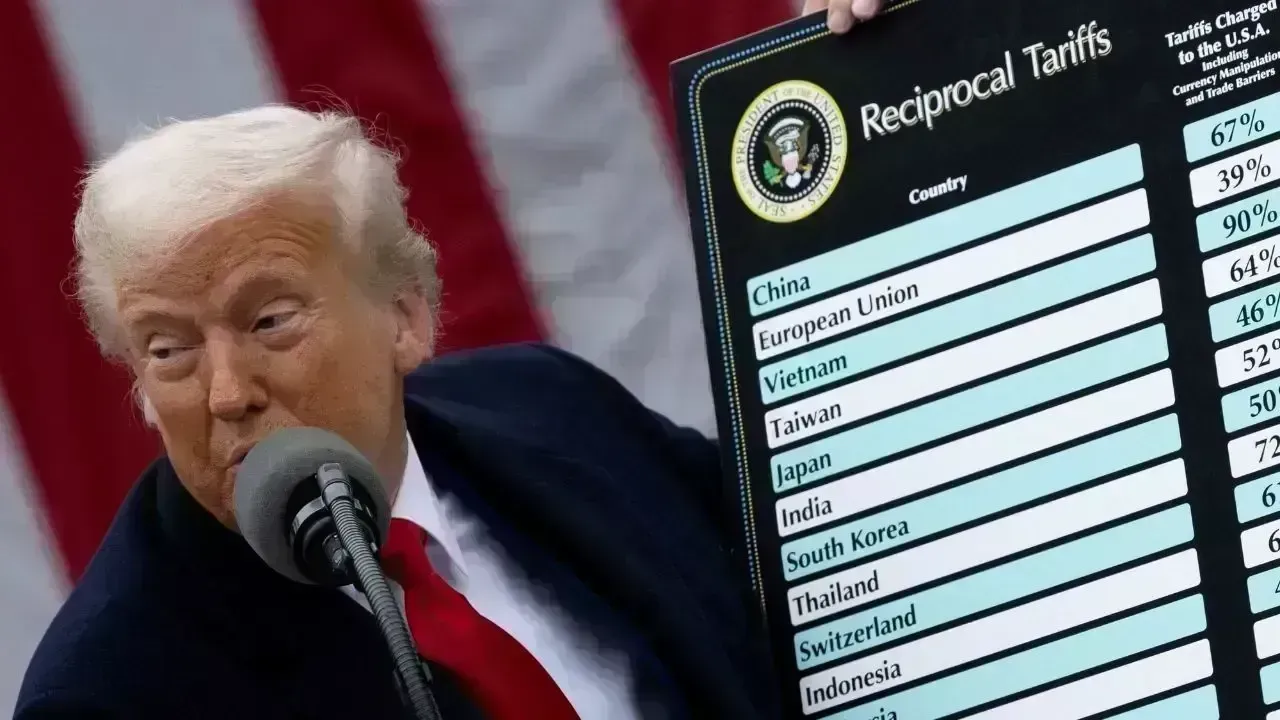
Initially thought to be a fleeting issue, the tariffs imposed on imported goods transformed into a lasting fixture in global supply chains. Many hoped that changes in political leadership would lead to their removal, but this expectation has proven illusory.
The tariffs integrated themselves into the very framework of commerce, affecting manufacturers, importers, and retailers daily without making headlines.
Tariffs act as taxes on foreign imports, which in turn make products more expensive for everyone in the supply chain. Importers typically pass these costs onto:
Wholesalers
Retailers
Ultimately, consumers
These tariffs sneak into product prices, functioning as a silent tax affecting day-to-day expenses.
Once established, trade policies do not simply reverse. They become embedded within:
Long-term agreements with suppliers
Logistical contracts
Decisions around manufacturing practices
Sourcing of materials
Transport routes
Shifts in production due to tariffs are not easily reversed when political leadership changes.
The initial imposition of tariffs saw prices increase swiftly, with expectations that they would fall as tensions eased. However:
Costs did not return to previous levels
Suppliers adjusted prices upward
Manufacturers restructured their operations
New tariffs took the place of previous ones
Economic uncertainties have persisted
This adaptation leads to a baseline where higher prices become normal.
Tariffs impact far beyond individual products; they create a ripple effect:
For instance, a tariff on steel:
→ leads to costlier tools
→ increases vehicle production costs
→ raises transport expenses
→ raises delivery fees
→ results in higher final prices for consumers.
This interconnected nature demonstrates how a tariff's repercussions extend across different sectors.
Electronics remain notably impacted, with devices like smartphones still bearing the burden of tariffs. Even if assembled locally, many parts are imported, causing prices to rise:
Chips incur tariffs
Screens are costlier
Batteries face additional taxes
Wiring costs increase
As a result, the pricing of electronics has not shown significant downward movement.
The clothing sector, one of the most globally integrated industries, shows tariff effects that often go unnoticed by consumers. A simple shirt involves:
Yarn from one nation
Dye from another
Stitching done elsewhere
Packaging in yet another country
Tariffs on textiles have quietly raised clothing costs, often masked as higher quality.
Though commonly associated with manufacturing, the influence of tariffs also extends to food items:
Grain pricing
Dairy prices
Soybean costs
Livestock feed pricing
Fertilizer expenses
As farming costs rise, grocery prices tend to follow suit, contributing to ongoing food inflation.
To navigate these tariffs, companies have adapted by rerouting shipments, which has reshaped the logistics landscape:
Abandoning old routes and developing new ones has led to increased expenses in transportation.
While large corporations navigate trade complexities with ease, small businesses face significant hurdles:
Bureaucratic customs processes
Sourcing alternative materials
Absorbing cost increases
Supplier adjustments
For many small enterprises, tariffs have posed existential challenges, resulting in closures or price hikes.
Despite promises that tariffs would induce manufacturers to return operations domestically, this has not occurred:
Firms have looked for cheaper production locations
Supply chains have become even more fragmented
Compliance costs have risen
Quality control has become more challenging
Indeed, consumers will still absorb costs, even if tariffs are adjusted. Structural changes lead to ongoing inflation, making dips unlikely.
Once in place, tariffs are politically sensitive to dismantle, as governments fear:
Upsetting domestic industries
Weakening trade advantages
Being perceived as weak
While tariffs did not create all inflation, they added significant pressure on prices through various channels, affecting everything from supply chain fluidity to agricultural productivity.
Consumers notice tariffs through:
Reduced product sizes
Decreased quality
Increased packaging expenses
Delayed discounts
Fewer budget-friendly options
Diminished brand variety
These trends mean that today's typical pricing reflects past premium costs.
While wealthier nations adapt more readily, developing economies often suffer severely under higher import costs, impacting crucial sectors:
Medicinal supplies
Machinery imports
Fuels
Fertilizer imports
Electronics
Tariffs also contributed to weakening global currencies as they widened trade gaps, necessitating greater debt management and leading to heightened inflation pressures.
Companies seldom absorb cost increases, preferring to adjust by:
Alter product dimensions
Downgrade quality
Gradually hike prices
Minimize customer incentives
While tariff modifications may happen, consumers shouldn't expect quick relief, as adjustments in pricing and trade policies typically take significant time to manifest.
Anticipate:
Stable pricing
Reduced market fluctuations
Minor price hikes
Fewer supply inconsistencies
While trade escalations may seem distant from daily life, they manifest profoundly in consumer pricing, reshaping industries and redefining expectations in ways that aren't easily undone.
This article serves for general information and educational purposes only and does not represent financial, political, or economic advice. Readers should consult specialists for more specific guidance regarding trade policies, investments, or economic strategies.










Price Increase for Sony PS5 in Southeast Asia Effective May 1
Sony announces a price increase for the PS5 across Southeast Asia starting May 1, 2026, impacting ga

Potential ‘Super El Niño’ in 2026: Understanding the Climate Risks
Could a Super El Niño emerge in 2026? Discover its implications and potential global climate impacts

Global Energy Crisis Intensifies: Markets React to Oil Supply Challenges
Markets are on edge as oil disruptions escalate, influencing prices and economic stability. Explore

Must-See Tourist Spots in London You Can't Overlook
Explore London's essential attractions, from royal landmarks to vibrant markets, ensuring an unforge

Ultimate Guide to Snagging Cheap Flights in 2026
Unlock the secrets to booking affordable flights in 2026 with insightful tips and strategies tailore

The Impact of Consistent Small Investments on Wealth Building
Discover how investing small amounts regularly can positively transform your financial future over t