Post by : Monika
Photo: Reuters
On Thursday, the European Central Bank (ECB) decided not to change its main interest rates. These rates were earlier lowered several times—from 4% to 2%—to help Europe’s economy during tough times. Now, the ECB wants to wait and watch how the trade discussions between the European Union (EU) and the United States go before making any new decisions.
Let’s take a deeper look at what happened and why it matters.
What Are Interest Rates and Why Are They Important?
Interest rates are like the price of borrowing money. When interest rates are low, people and companies can take loans more easily because they don’t have to pay much extra money back. This helps them buy things, build houses, invest in businesses, and grow the economy.
But if interest rates stay too low for too long, people may spend too much. This could cause prices to rise very fast, which is called inflation. That’s why central banks like the ECB change interest rates carefully—to keep everything balanced.
Why Did the ECB Lower Interest Rates Before?
Over the past few years, Europe has faced many problems. There was the COVID-19 pandemic, which hurt economies everywhere. Then came the war in Ukraine, which caused energy prices to go up and made things more expensive in Europe.
To help people and businesses, the ECB lowered interest rates several times. These cuts brought the rate down from 4% to 2%. This made it cheaper to borrow money and helped businesses survive and people keep their jobs.
Inflation Is Now Under Control
The good news is that inflation in Europe has gone down. It is now at 2%, which is exactly what the ECB wants. Also, the economy is growing again, though not very fast. Because of this, the ECB doesn’t feel the need to cut interest rates again right now.
Instead, the bank is being careful. It wants to see how other things, especially global trade issues, affect the economy before making new changes.
What’s Going On with Trade Between the EU and the U.S.?
Right now, the EU and the United States are in serious talks about trade. The U.S. had earlier threatened to put high taxes—called tariffs—on goods from Europe. These taxes were supposed to start after July 31.
At first, the U.S. talked about adding a 30% tax on EU products. But now, negotiators are considering a lower tax of around 15%. This is still a problem, but it’s not as bad as it could have been.
These trade talks are very important because if the U.S. adds big taxes, it could hurt Europe’s economy. Higher taxes mean goods from Europe would become more expensive in the U.S., so fewer people there might buy them. This could reduce profits for European companies and slow down economic growth.
Because of this, the ECB is being very careful. It doesn’t want to lower rates again too soon and risk making things worse if the trade problem grows.
What Is the Economic Situation in Europe Right Now?
Europe’s economy is stable but not very strong. Inflation is not too high anymore, and most people who want jobs can find them. That’s a good sign.
Also, banks are lending more money, and the stock markets in Europe are doing better. These are positive signs that people are feeling more confident.
But there are still problems. Factories are not making as much as before, and the euro (Europe’s currency) has become stronger. A strong euro can make European goods more expensive in other countries, which makes it harder to sell them.
This is why the ECB needs to move carefully. The economy is improving, but it’s still not strong enough to take risks.
What Did the ECB President Say?
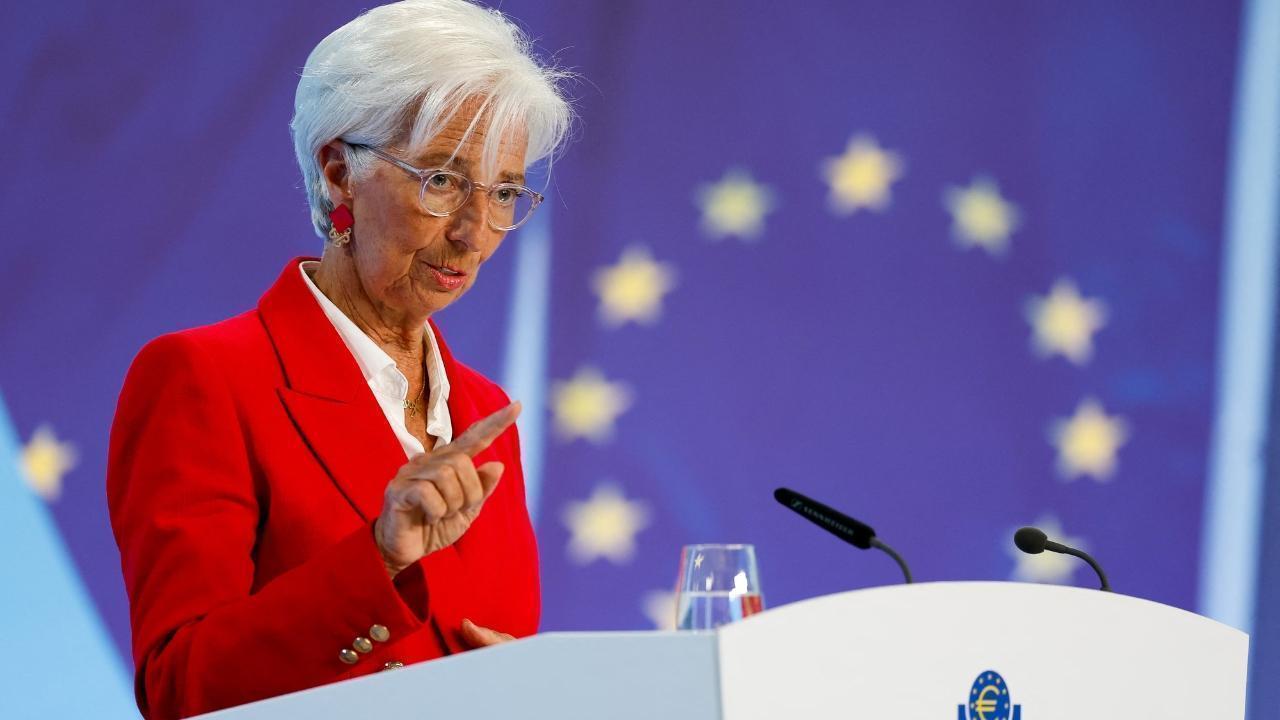
Christine Lagarde, the President of the ECB, said the bank would go slow and watch the data closely. She said they would make decisions step by step, at each meeting.
This means they’re not promising to cut rates again soon. But they’re also not ruling it out. They want to keep their options open so they can act quickly if something big changes in the economy.
What’s the Current Rate and What Could Happen Next?
The deposit rate—which is the rate banks earn for keeping their money at the ECB—stays at 2% for now. The ECB will keep checking how inflation and trade are doing before it decides whether to cut rates again.
Experts think there might be another rate cut later this year. Some say it could happen in September. Others think it might come in December. The key thing to watch will be how the trade talks with the U.S. end.
If the U.S. only puts a 15% tariff instead of the 30% they were planning, that would be a smaller problem for Europe. That might mean the ECB won’t feel as much pressure to cut rates.
What Does This Mean for Everyday People?
If you live in Europe, this decision affects you more than you might think.
If you want to take a loan to buy a car or a house, your interest rate might stay the same.
If the economy stays steady, businesses might keep hiring.
If inflation stays low, things won’t get more expensive quickly.
But if trade problems grow, prices might fall and some companies could sell less. That’s why the ECB is being careful. They want to protect jobs, keep prices stable, and help the economy grow—all at the same time.
Another rate cut might happen later this year, depending on what happens with trade.
The European Central Bank’s choice to wait before cutting interest rates again shows just how important it is to be patient and careful in times of global uncertainty. While inflation is under control and the economy is slowly growing, risks from trade disputes still remain.
By watching each step closely and reacting only when needed, the ECB is trying to protect people’s jobs, savings, and the economy as a whole. The next few months will be very important in deciding what happens next.








Mattel Revives Masters of the Universe Action Figures Ahead of Film Launch
Mattel is reintroducing Masters of the Universe figures in line with its upcoming film, tapping into

China Executes 11 Members of Criminal Clan Linked to Myanmar Scam
China has executed 11 criminals associated with the Ming family, known for major scams and human tra

US Issues Alarm to Iran as Military Forces Deploy in Gulf Region
With a significant military presence in the Gulf, Trump urges Iran to negotiate a nuclear deal or fa
Copper Prices Reach Unprecedented Highs Amid Geopolitical Turmoil
Copper prices soar to all-time highs as geopolitical tensions and a weakening dollar boost investor

New Zealand Secures First Win Against India, Triumph by 50 Runs
New Zealand won the 4th T20I against India by 50 runs in Vizag. Despite Dube's impressive 65, India