Post by : Saif Nasser
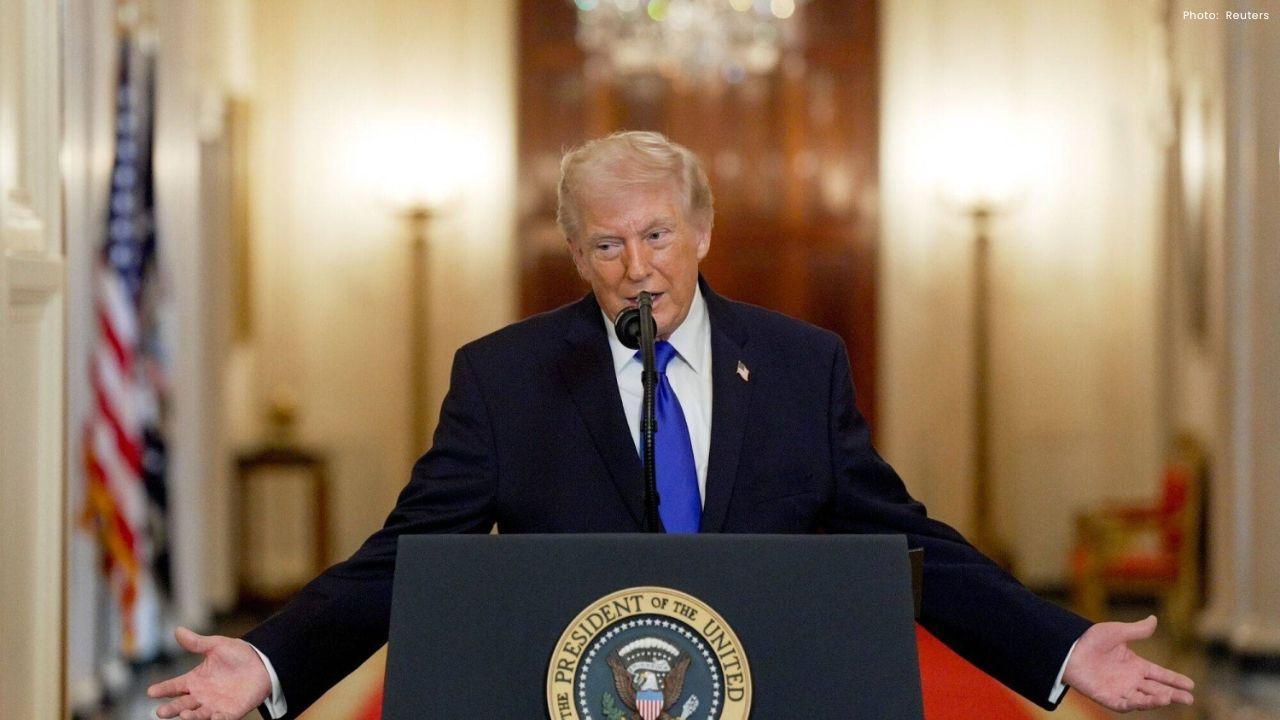
U.S. President Donald Trump has renewed his criticism of the U.S. Supreme Court after it ruled against his broad tariff plan. The court decided that he did not have the legal authority to impose certain sweeping tariffs under the emergency powers he had used.
The ruling has created tension between the White House and the judiciary. In response, Trump said he was disappointed with the decision and suggested that the court did not fully explain its reasoning. He also promised to look for other legal tools that would allow him to continue placing tariffs on imported goods.
Tariffs are taxes placed on products that come from other countries. Governments often use them to protect local industries or to respond to trade disputes. Trump has long argued that tariffs help American workers and reduce trade imbalances. However, critics say high tariffs can increase prices for businesses and consumers.
The Supreme Court ruled that the specific emergency law Trump used did not give him the power to impose such wide-ranging trade duties. According to the U.S. Constitution, Congress has the main authority to set taxes and tariffs. The court’s decision reinforced the idea that presidents must act within clear legal limits.
Despite the ruling, Trump said he could use other existing trade laws to continue imposing tariffs. He also mentioned the possibility of using license fees on imports, although details were not provided. This signals that trade policy will likely remain a key part of his economic agenda.
The decision and Trump’s reaction have caused some uncertainty in financial markets. Investors are concerned about possible new trade tensions and legal battles. Stock markets showed signs of caution as traders tried to understand what new measures might be introduced.
The issue has also affected international trade discussions. Some countries have asked for clarity about U.S. trade policies before moving forward with agreements. Ongoing uncertainty can make negotiations more difficult and may slow down global trade cooperation.
Lawmakers in Washington are also debating the matter. Some members of Congress believe that trade authority should clearly remain in the hands of lawmakers rather than the president acting alone. Others support strong executive action to protect American industries.
This situation highlights a larger debate about the balance of power in the United States. The Constitution separates authority among the executive, legislative, and judicial branches. When disagreements arise, the courts often step in to interpret the law.
As Trump continues to defend his trade approach, legal experts expect further challenges if new tariffs are introduced. Businesses, trading partners, and consumers will be watching closely to see how the situation develops.
Trade policy plays a major role in the economy. Decisions about tariffs can affect prices, jobs, and relationships with other countries. The coming months will likely bring more discussion about how far presidential power can go in shaping U.S. trade rules.








Elevate Your Mornings: 7 Protein-Packed Breakfast Ideas
Discover 7 quick and nutritious high-protein breakfasts to keep you energized and focused throughout

Unlocking Wellness in the UAE: 7 Transformative Habits
Explore 7 effective wellness practices inspired by the UAE lifestyle for a healthier, happier life.

Starbucks Engages Boyu Capital for Major Chinese Expansion
Starbucks teams up with Boyu Capital, selling a majority stake to boost growth and adapt to the Chin

Three Individuals Charged in Massive Meth Trafficking Case in Malaysia
In Malaysia, a married couple and another suspect are charged with trafficking 510kg of meth, facing

Singapore Police Revisit Geylang Murder Scene with Suspect
In Geylang, police return a murder suspect to the scene of a crime involving the fatal stabbing of a