Post by : Saif Nasser
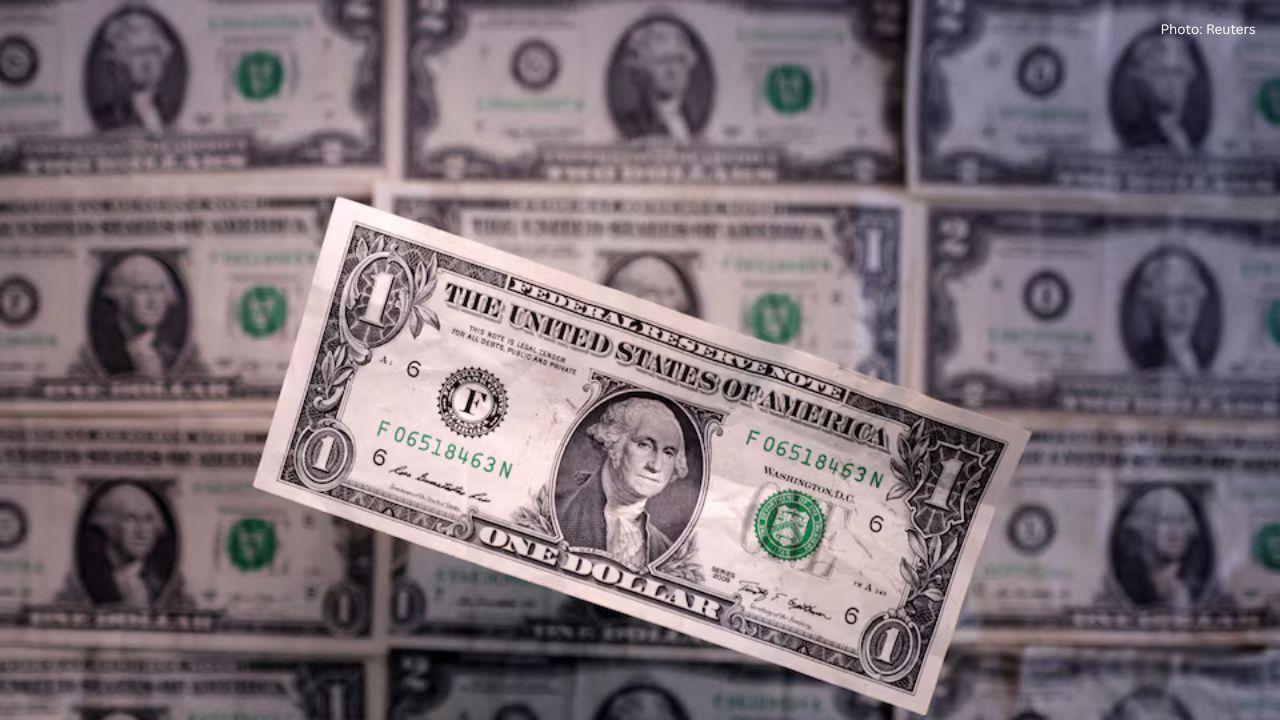
The U.S. dollar remained mostly steady on Tuesday as investors waited for the release of minutes from the U.S. Federal Reserve’s December meeting. With the year drawing to a close and holiday trading slowing activity, currency markets were calm, but the dollar is set to finish 2025 on a weak note.
Traders expect the Fed minutes to show clear differences of opinion among policymakers about interest rates in 2026. Earlier this month, the central bank cut rates but also warned that further cuts may not come quickly. This mixed message has kept investors cautious and uncertain about the dollar’s future direction.
Because many traders are away for the holidays, market activity has been thin. Still, the broader picture shows that 2025 has been a difficult year for the dollar. The euro and the British pound have both gained strongly, reaching their best yearly performances since 2017. On Tuesday, the euro traded near $1.18, up nearly 14% for the year, while the pound stood around $1.35, marking an 8% rise in 2025.
The weaker dollar has also helped other currencies. China’s yuan moved past the key level of 7 per dollar, even as Chinese authorities tried to slow its rise with official guidance and warnings. The U.S. dollar index, which measures the dollar against major global currencies, is heading for a fall of nearly 10% this year. That would be its sharpest annual decline in eight years.
Several factors have weighed on the dollar. These include expectations of further U.S. interest rate cuts, smaller interest rate differences between the U.S. and other countries, and concerns about America’s budget deficits and political uncertainty. On Tuesday, the dollar index was near 98, close to a three-month low.
Investors are now focused on what the Fed minutes may reveal about future policy. Markets are currently pricing in two more rate cuts in 2026, suggesting the dollar could weaken further. Some analysts believe the dollar index may fall another 5% next year if the U.S. economy slows and the Fed continues easing policy.
The Japanese yen showed signs of stability, trading near 156 per dollar. This comes after earlier weakness that raised fears of government intervention. Japan’s central bank has raised interest rates twice this year, but investors remain cautious due to the slow pace of tightening. Analysts say stronger economic growth in Japan may be more important for supporting the yen than interest rate changes alone.
Other currencies also ended the year on a strong note. The Australian dollar hovered near a 14-month high and is up about 8% for the year, its best performance since 2020. The New Zealand dollar also gained nearly 4% in 2025, breaking a four-year losing streak.
As 2025 comes to an end, the dollar’s steady trading hides a larger story of decline. Investors now look ahead to 2026, watching closely for signals from the Federal Reserve that could shape the next chapter for global currency markets.










Price Increase for Sony PS5 in Southeast Asia Effective May 1
Sony announces a price increase for the PS5 across Southeast Asia starting May 1, 2026, impacting ga

Potential ‘Super El Niño’ in 2026: Understanding the Climate Risks
Could a Super El Niño emerge in 2026? Discover its implications and potential global climate impacts

Global Energy Crisis Intensifies: Markets React to Oil Supply Challenges
Markets are on edge as oil disruptions escalate, influencing prices and economic stability. Explore

Must-See Tourist Spots in London You Can't Overlook
Explore London's essential attractions, from royal landmarks to vibrant markets, ensuring an unforge

Ultimate Guide to Snagging Cheap Flights in 2026
Unlock the secrets to booking affordable flights in 2026 with insightful tips and strategies tailore

The Impact of Consistent Small Investments on Wealth Building
Discover how investing small amounts regularly can positively transform your financial future over t