Post by : Shivana Rahim
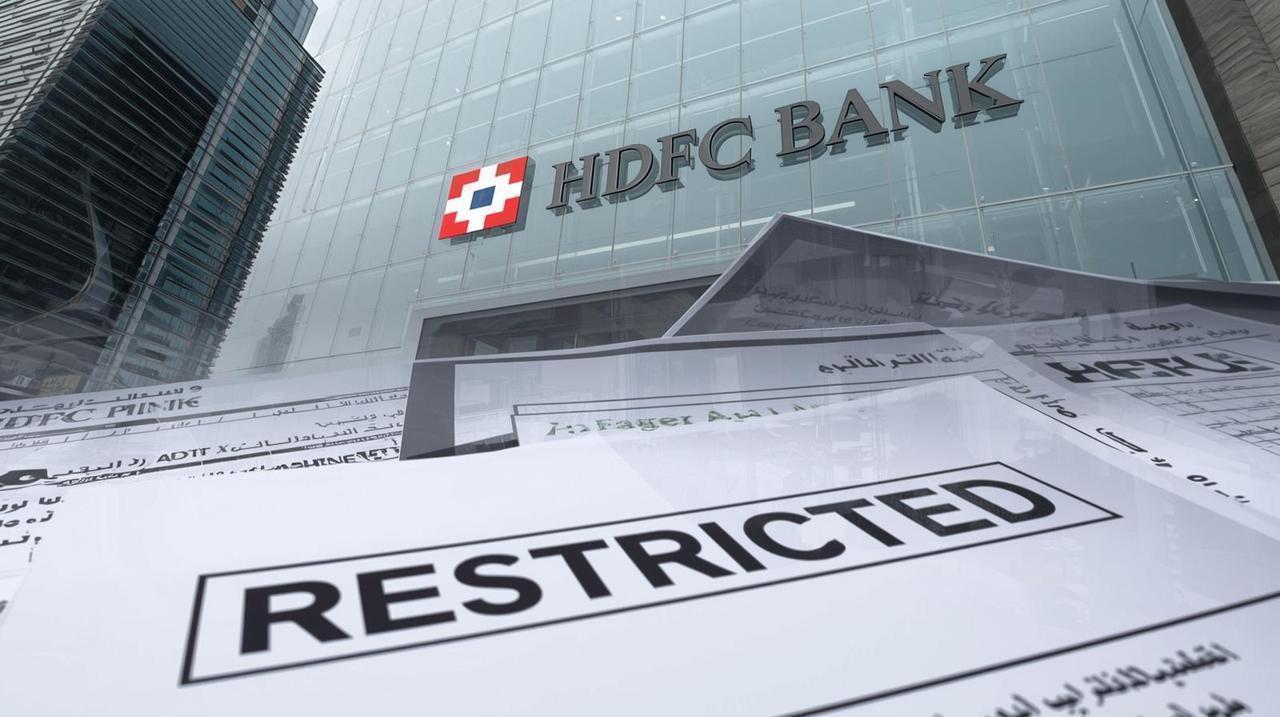
The Dubai Financial Services Authority (DFSA) has taken regulatory action against HDFC Bank’s Dubai International Financial Centre (DIFC) branch, restricting it from onboarding new clients. The move comes amid concerns over compliance and governance standards, signaling the regulator’s firm stance on maintaining transparency and accountability in Dubai’s financial hub.
HDFC Bank, India’s largest private sector lender by market capitalization, has been steadily expanding its global presence to serve non-resident Indians (NRIs) and international clients. Its DIFC branch in Dubai has been a key part of this strategy, offering wealth management, corporate banking, and advisory services.
However, the DFSA, which regulates financial institutions within the DIFC, has raised red flags over the bank’s compliance framework. While the regulator has not disclosed the exact nature of the lapses, industry insiders suggest that the concerns may involve anti-money laundering (AML) protocols, client due diligence, and reporting obligations.
The DFSA’s decision to restrict HDFC Bank’s DIFC branch from onboarding new clients is not a suspension of operations but a supervisory measure. The branch can continue serving its existing clients while working to address the regulator’s concerns.
The restriction prevents HDFC Bank’s DIFC branch from expanding its client base until it demonstrates compliance with DFSA standards. Existing clients will not be affected, as the branch can continue to provide services such as account management, remittances, and advisory functions.
For HDFC Bank, this development is a setback in its international growth strategy. The DIFC branch has been a vital hub for serving the Indian diaspora in the UAE, one of the largest expatriate communities in the region. The restriction could temporarily slow down the bank’s expansion and may also impact its reputation among global investors.
The DFSA is known for its strict oversight of financial institutions operating within the DIFC. Its mandate includes ensuring compliance with international best practices in governance, risk management, and financial crime prevention.
In recent years, the DFSA has intensified its scrutiny of banks and financial firms, particularly in areas such as AML compliance and counter-terrorism financing. The restriction on HDFC Bank’s DIFC branch is consistent with this broader regulatory trend, underscoring Dubai’s commitment to maintaining its reputation as a transparent and well-regulated financial hub.
The financial industry has responded with a mix of caution and pragmatism. Some experts view the restriction as a warning to international banks operating in the DIFC, while others see it as a routine regulatory measure aimed at strengthening compliance frameworks.
Market analysts note that such restrictions are not uncommon and often serve as corrective measures rather than punitive actions. By addressing the DFSA’s concerns, HDFC Bank could emerge stronger, with improved compliance systems that enhance investor and client confidence.
HDFC Bank has not issued a detailed public statement but is reportedly engaging with the DFSA to resolve the matter. Sources close to the bank indicate that it is already working on strengthening its compliance framework, including enhancing internal controls and risk management systems.
Given HDFC Bank’s strong track record in India and other jurisdictions, analysts believe the bank has the capacity to address the DFSA’s concerns effectively. Once the compliance gaps are resolved, the regulator may lift the restriction, allowing the bank to resume onboarding new clients.
The restriction on HDFC Bank’s DIFC branch highlights the growing importance of compliance in international banking. Regulators worldwide are increasingly vigilant about financial crime, money laundering, and client protection.
For banks, compliance is no longer just a regulatory requirement but a strategic necessity. Institutions that fail to meet these standards risk regulatory action, reputational damage, and loss of client trust.
This case also serves as a reminder to other international banks operating in the DIFC and beyond that regulators are closely monitoring compliance frameworks. Proactive investment in risk management and governance systems is essential to avoid similar restrictions.
The DFSA’s action against HDFC Bank’s DIFC branch reflects a broader global trend in financial regulation. Authorities in major financial centers such as London, New York, and Singapore have been tightening their oversight of banks, particularly in areas related to cross-border transactions and AML compliance.
Dubai, through the DFSA, is aligning itself with these global standards, reinforcing its position as a trusted financial hub. The restriction on HDFC Bank underscores the message that compliance and governance are non-negotiable in today’s financial landscape.
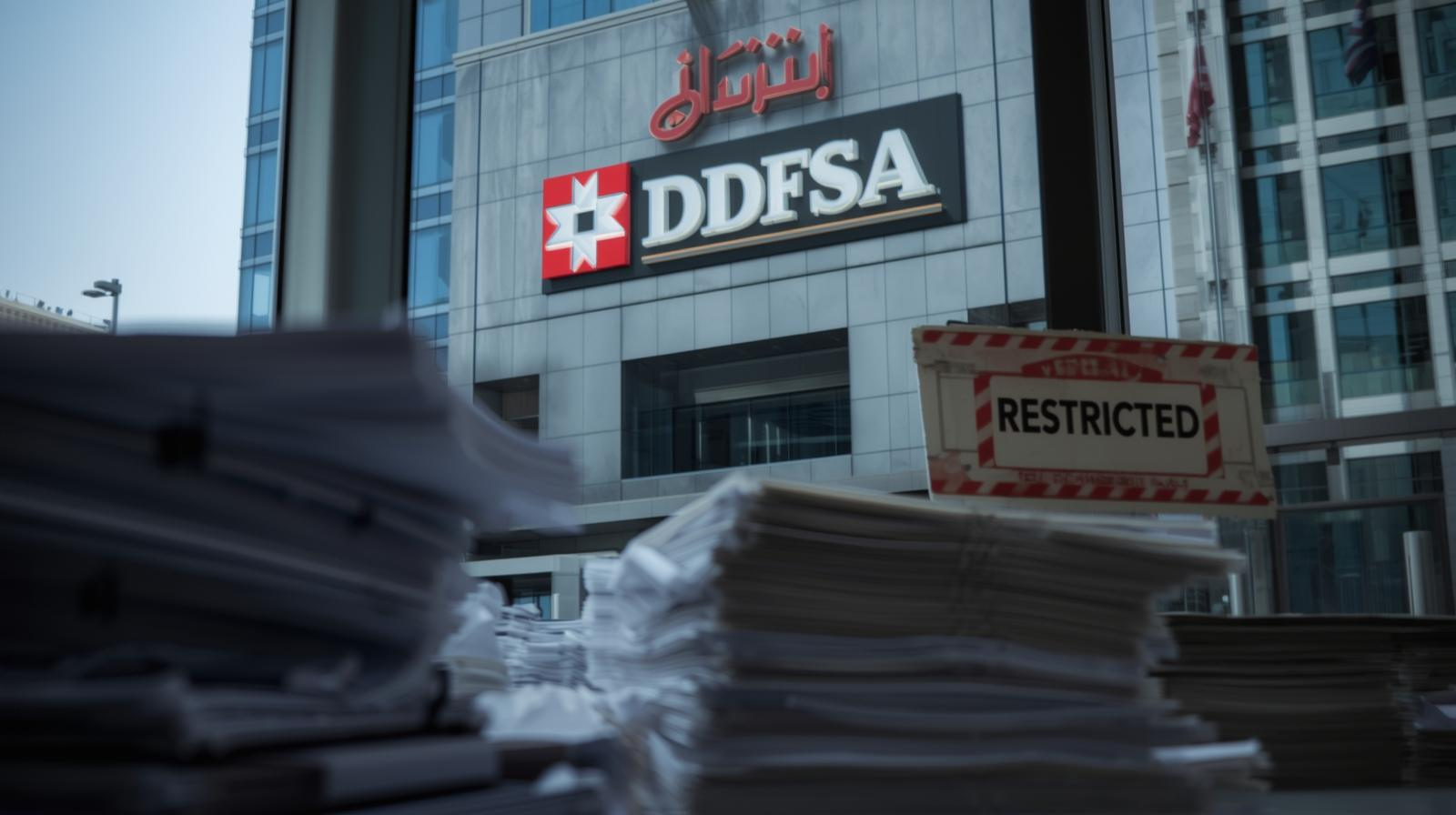
The coming months will be critical for HDFC Bank as it works to address the DFSA’s concerns. If the bank successfully strengthens its compliance framework, it could regain the regulator’s confidence and resume onboarding new clients.
For the broader financial industry, this case serves as a cautionary tale and a reminder of the importance of robust compliance systems. Banks operating in international markets must continuously adapt to evolving regulatory expectations to ensure sustainable growth.
For more insights on financial regulation and banking developments in the Middle East, visit www.middleeastbulletin.com.








Price Increase for Sony PS5 in Southeast Asia Effective May 1
Sony announces a price increase for the PS5 across Southeast Asia starting May 1, 2026, impacting ga

Potential ‘Super El Niño’ in 2026: Understanding the Climate Risks
Could a Super El Niño emerge in 2026? Discover its implications and potential global climate impacts

Global Energy Crisis Intensifies: Markets React to Oil Supply Challenges
Markets are on edge as oil disruptions escalate, influencing prices and economic stability. Explore

Must-See Tourist Spots in London You Can't Overlook
Explore London's essential attractions, from royal landmarks to vibrant markets, ensuring an unforge

Ultimate Guide to Snagging Cheap Flights in 2026
Unlock the secrets to booking affordable flights in 2026 with insightful tips and strategies tailore

The Impact of Consistent Small Investments on Wealth Building
Discover how investing small amounts regularly can positively transform your financial future over t




