Post by : Bianca Suleiman
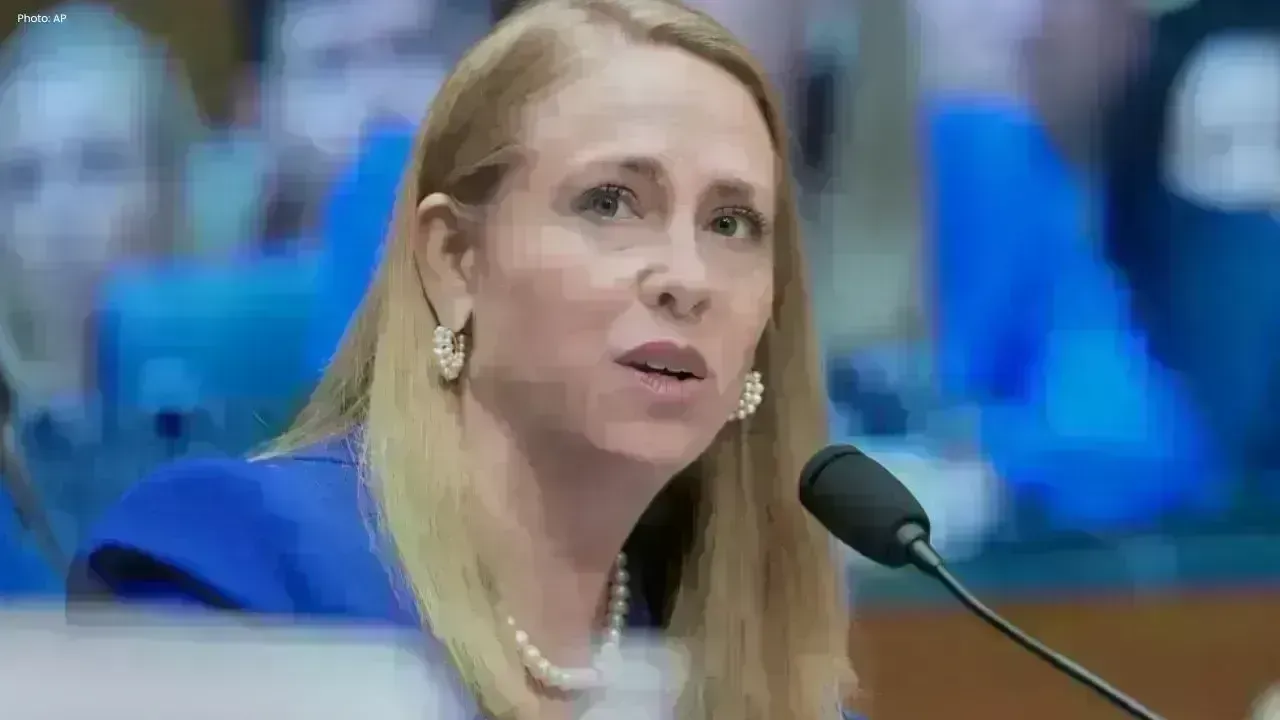
A recent social media statement by Andrea Lucas, Chair of the U.S. Equal Employment Opportunity Commission (EEOC), has ignited a national dialogue on issues of workplace discrimination and diversity initiatives. By encouraging white males to speak out if they feel they have faced race or gender discrimination, Lucas has intensified existing discussions around diversity, equity, and inclusion (DEI) programs in corporate America.
On Wednesday evening, Lucas took to X to invite white male employees who suspect they have been discriminated against to reach out to the EEOC for assistance with potential claims under federal civil rights laws. Her message, which included a link to the agency's fact sheet on DEI-related discrimination, stressed the importance of promptly filing grievances.
The post quickly garnered millions of views, appearing shortly after Vice President JD Vance criticized DEI initiatives in an article he shared. In response to Vance’s comments, Lucas noted that systemic discrimination against white men has often gone unrecognized and has been “celebrated” by societal “elites.” She assured that the EEOC would not relent in addressing this form of discrimination.
Despite not responding to further inquiries, the post spurred a mix of reactions—support from opponents of DEI and pushback from civil rights experts who feel Lucas misrepresents the goals of diversity programs.
Agency Direction Reflecting Trump Policies
Since becoming acting chair in January and subsequently appointed as chair in November, Lucas has aligned the EEOC’s strategy with Trump’s executive orders against DEI proposals. Earlier this year, the EEOC collaborated with the Department of Justice in issuing documents detailing what might qualify as illegal DEI-driven discrimination. They cautioned that training programs and employee resource groups could violate Title VII if they exclude individuals based on race or gender.
This guidance has drawn criticism from former agency officials, who argue it frames DEI programs as inherently problematic and overestimating the legal risks these strategies pose, potentially discouraging employers from adopting fair diversity practices.
Experts Challenge Claims of Discrimination
Legal and workplace equality professionals have voiced skepticism toward Lucas’ assertions of pervasive discrimination against white males. David Glasgow, executive director of NYU School of Law's Meltzer Center for Diversity, Inclusion, and Belonging, stated that these comments misinterpret DEI’s foundational goals which seek equitable treatment for all workers, including white men.
Glasgow emphasized that his tracking of legal cases shows no widespread discrimination against white males. Although individual claims exist, he argues that systemic bias lacks significant statistical backing, especially noting the continued prevalence of white men in upper-echelon corporate roles and government positions.
“If DEI has been this powerful engine of discrimination,” he remarked, “it has not effectively displaced white men in leadership or influence.”
Concerns Over Fairness in Enforcement
Former EEOC chair Jenny Yang remarked that Lucas' approach is “unusual” for a federal agency leader. She emphasized that the EEOC's mission should be to uphold equal rights for all, instead of favoring one demographic. Yang warned that focusing on the grievances of white men could undermine the agency’s commitment to protecting marginalized groups, including transgender individuals.
She noted that while resource limitations necessitate strategic choices, those choices should embody fairness and neutrality rather than political bias.
Impact on National Discussions
Lucas' remarks are timely, given the increasing scrutiny faced by DEI programs amid political and legal challenges. Detractors argue these initiatives foster reverse discrimination, while advocates maintain their necessity in combatting enduring inequalities and ensuring workplace diversity.
The chair's statements have sparked broader discussions regarding the definitions of discrimination and which groups warrant federal protection.
Future Implications
Legal experts anticipate a rise in lawsuits contesting DEI efforts along with claims of discrimination against white males. Simultaneously, they warn that the EEOC's reliability hinges on consistent enforcement of Title VII, rather than selective political messaging.
As Lucas continues to guide the agency's focus toward DEI scrutiny, the coming period could redefine national policy on workplace equity, and determine if the EEOC’s new approach serves as a protector of civil rights or a step back from decades of diversity advocacy.
The discussion is far from resolved. For now, Lucas' statement marks a pivotal moment in the ongoing debate about fairness, protection, and the role of federal influence in modern workplaces.








Mattel Revives Masters of the Universe Action Figures Ahead of Film Launch
Mattel is reintroducing Masters of the Universe figures in line with its upcoming film, tapping into

China Executes 11 Members of Criminal Clan Linked to Myanmar Scam
China has executed 11 criminals associated with the Ming family, known for major scams and human tra

US Issues Alarm to Iran as Military Forces Deploy in Gulf Region
With a significant military presence in the Gulf, Trump urges Iran to negotiate a nuclear deal or fa

Copper Prices Reach Unprecedented Highs Amid Geopolitical Turmoil
Copper prices soar to all-time highs as geopolitical tensions and a weakening dollar boost investor

New Zealand Secures First Win Against India, Triumph by 50 Runs
New Zealand won the 4th T20I against India by 50 runs in Vizag. Despite Dube's impressive 65, India