Post by : Saif Nasser
Cuba is entering a period of deep uncertainty after the United States removed Venezuelan President Nicolás Maduro from power. For decades, Venezuela has been Cuba’s closest ally and its most important source of oil. With Maduro gone, many Cubans now worry that their country’s already fragile economy could face even harder times.
On Monday morning, Cuban authorities lowered flags across Havana to honor 32 Cuban security officers who were killed during the U.S. operation in Venezuela. Officials said the officers died while protecting key facilities or during direct fighting. The loss was deeply felt in Cuba, where Venezuela has long been seen as a brother nation.
The relationship between the two countries runs deep. Cuban soldiers and security agents often served as bodyguards for Maduro, and Venezuela supplied Cuba with subsidized oil for years. That oil has helped keep lights on and transport running in Cuba, even as the island struggled with shortages and frequent blackouts.
After Maduro’s capture, U.S. President Donald Trump openly warned that Cuba would suffer next. He said that cutting Cuba off from Venezuela would further weaken its economy, which is already under heavy pressure. His comments have increased fear among ordinary Cubans, many of whom are already struggling to find basic food and supplies.
Experts say Venezuela was sending about 35,000 barrels of oil a day to Cuba in recent months. That amount covered nearly one-quarter of the island’s needs. If those shipments stop, the impact could be severe. Cuba does not have enough money to buy oil on the open market, and power cuts could grow longer and more frequent.
Some analysts believe Russia is the only remaining ally that could help Cuba with oil. Russia already sends limited supplies, but it is unclear whether it is willing to increase support. Others say China could step in, but only if Cuba makes major changes by opening its economy more to private businesses and reducing state control.
Meanwhile, the United States is discussing plans to rebuild Venezuela’s damaged oil industry. President Trump has said oil companies could invest billions to restore production, with the U.S. government helping cover costs later. If successful, Venezuela’s oil output could rise again within a year or two. However, political instability and high costs make this plan uncertain.
For Cuba, the immediate concern is survival. Blackouts are already common, and food shortages have pushed many families to the edge. Losing Venezuelan oil could turn a difficult situation into a full-blown crisis.
As the region adjusts to a new political reality, Cuba stands at a crossroads. Without Venezuela’s support, the island may be forced to change its economic model or seek new allies. For now, many Cubans can only wait and hope that the coming months do not bring even darker days.





The Impact of Consistent Small Investments on Wealth Building
Discover how investing small amounts regularly can positively transform your financial future over t

7.5 Magnitude Earthquake Strikes Japan, Tsunami Alerts Issued
Japan experiences a hefty 7.5 quake, prompting tsunami alerts and safety measures. Stay updated on a

Reopening of the Strait of Hormuz: New Regulations to Impact Global Trade
Iran reopens the strategic Strait of Hormuz with new regulations affecting oil transport and global

Top 10 Must-See Attractions in NYC for First-Time Explorers
Discover essential experiences for first-time visitors to NYC, including attractions, culture, and i

Starbucks Engages Boyu Capital for Major Chinese Expansion
Starbucks teams up with Boyu Capital, selling a majority stake to boost growth and adapt to the Chin
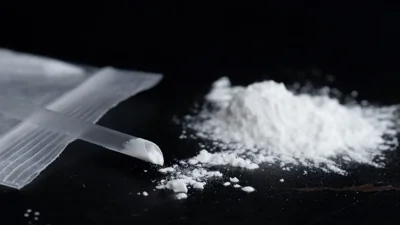
Three Individuals Charged in Massive Meth Trafficking Case in Malaysia
In Malaysia, a married couple and another suspect are charged with trafficking 510kg of meth, facing