Post by : Anees Nasser
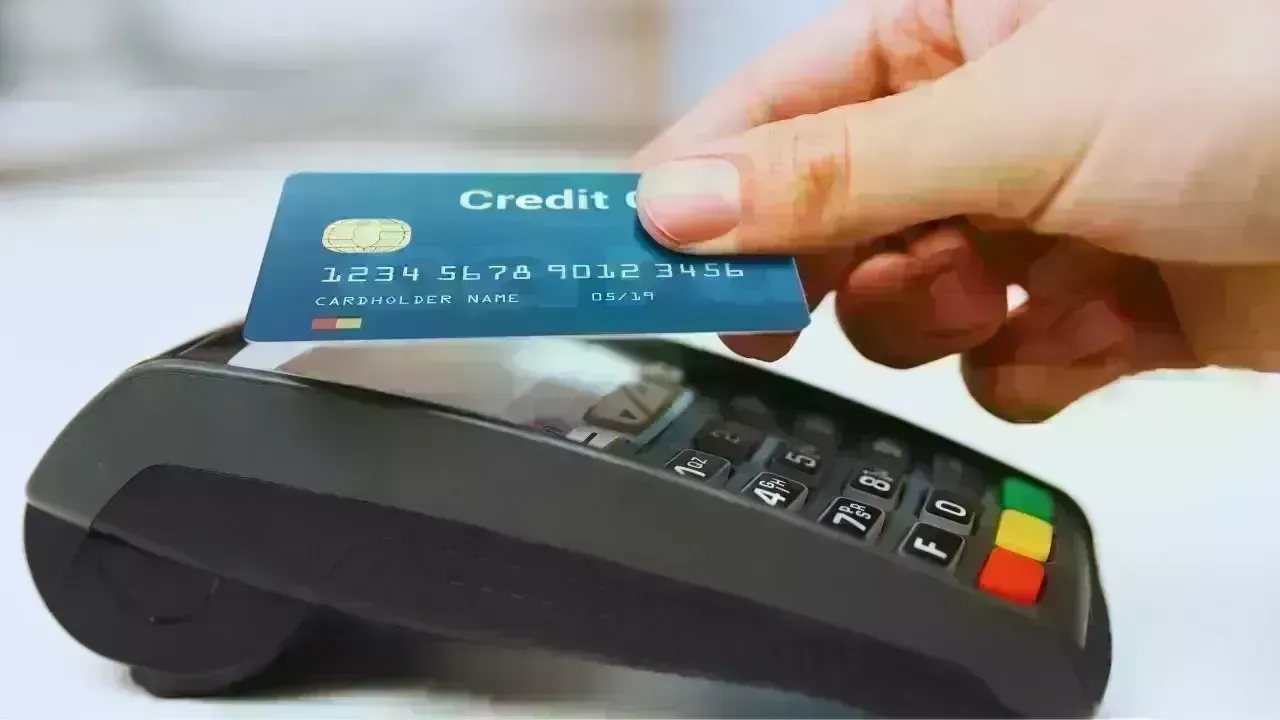
With the rise of one-click payments and digital transactions, credit cards have become integral to everyday life, facilitating bill payments, booking travel, and covering urgent expenses. In stable economic times, users typically manage their credit well. However, in periods of inflation, these handy cards can morph from practical resources into financial pitfalls. Increased prices for essentials such as groceries, education, medical care, and fuel can force many to rely increasingly on their credit cards.
Initially, this shift may seem manageable; a few extra charges here and postponed payments there may feel inconsequential. Yet, as inflation erodes repayment capacity and interest accumulates, individuals can quickly find themselves trapped in a cycle of debt. Recognizing how inflation intensifies credit-related risks does not just require prudent financial management—it is crucial for survival.
In this article, we explore the ways inflation alters spending behaviors, particularly how credit cards necessitate revised strategies during economic strain, and how families can break free from the cycle of debt before it undermines their savings and peace of mind.
Inflation does more than merely increase prices; it shifts consumer perceptions and behaviors. Items that once felt affordable can become burdensome, while luxuries quickly turn into perceived necessities.
As the cost of food, housing, and transportation soars beyond income growth, disposable income diminishes. Bills take priority, leaving limited room for savings or emergencies. In such circumstances, credit cards often serve as a buffer against financial breakdown.
Unfortunately, inflation curtails purchasing power while interest rates tend to rise in response, forming a dangerous mixture for consumers. Households that managed their bills comfortably last year can suddenly find themselves grappling with heightened expenses and more expensive credit.
Making only the minimum payment feels prudent in times of financial strain. It keeps accounts active and sidesteps penalties. However, minimum payments typically prolong debt, especially during inflationary periods, as they only cover interest while the principal amount remains static.
This illusion of progress masks stagnation; even if balances appear unchanged each month, total repayment spans years. While minimum payments may feel necessary, they create long-term hardship.
Financial pressures alter spending behaviors. Inflation impacts not just wallets, but also emotions.
In the face of rising costs, emotional spending can serve as a temporary relief from stress. Small purchases become ways to cope with financial worries, and credit cards start acting as emotional stabilizers.
The issue isn’t in making purchases; it lies in forming habits that lead to accumulating debt.
High inflation often leads to a mindset of “buy now before it becomes pricier.” This rush to purchase, even for non-essentials, can be facilitated by credit cards, making the immediate spending less painful.
Yet, this urgent spending often results in buyer’s remorse when the bills arrive after the fleeting emotion subsides.
In inflationary contexts, interest becomes increasingly treacherous.
Debt incurred today can snowball into something far greater if carried forward. Interest incurs daily charges that accumulate week by week, month by month.
Inflation exacerbates the disconnect between what is spent and what must be repaid, allowing interest to surge uncontrollably. What may look like manageable borrowing today can become a burdensome repayment tomorrow.
As cash flow issues arise, payments may start to lag. Late fees and interest hikes quickly follow, resulting in credit scores plummeting and rates climbing even higher.
Inflation not only raises prices; it amplifies the costs of missteps.
Using credit cards wisely during inflation demands both discipline and strategy.
Old budgeting methods may not reflect current realities. Food, fuel, and utility expenses need recalibrating. Without accurate figures, there’s a risk of overestimating spending while overshooting credit use.
Adapting a budgeting approach to account for weekly spending, rather than relying on monthly estimates, becomes essential due to inflation.
In times of urgency, distinguishing becomes crucial. Necessary expenses like medical bills, groceries, and education can justifiably go on credit, while perks or impulse buys should be avoided.
In inflationary periods, maintaining emotional understanding is pivotal for financial well-being.
If carrying a balance is unavoidable, prioritize settling debts with lower interest first and consider transferring balances to save on charges. Avoid additional spending until old balances are minimized.
The objective is clear: settle debts before they escalate.
While credit may obscure financial pressures, cash brings clarity.
Swiping cards doesn’t evoke the same sense of expenditure as counting cash does. In times of high inflation, incorporating cash spending can introduce necessary psychological friction.
This friction can deter impulsive purchases and foster thoughtful financial decisions.
Whenever feasible, it’s prudent to prioritize spending from available cash rather than borrowed funds. Credit cards should be reserved for emergencies, not for routine expenses.
Inflation impacts households lacking financial cushions.
Without emergency savings, unforeseen expenses can lead to debt accumulation. Emergency funds serve to lower stress levels while protecting against debt traps.
Beginning with modest savings can create a sturdy defense. Inflation rewards those who are prepared and punishes complacency.
Financial pressure can impact sleep quality, concentration, and relationships.
Regularly monitoring balances, fearing bills, and avoiding financial discussions reflect feelings of being overwhelmed. Often, people ignore these signs until their health is affected.
Engaging in discussions about debt with family or financial advisors can alleviate feelings of isolation. Debt does not equate to failure; silence surrounding it does.
Inflation often tempts individuals to upgrade their lifestyles.
Increased salaries can quickly be absorbed by new gadgets, dining out, and subscription services. Credit cards create avenues for immediate gratification without perceivable consequences.
This cycle explains how earning more can lead to having less.
Holding off on unnecessary upgrades allows for flexibility. Fewer commitments provide greater liberties during price escalations.
Promotions don’t always end up saving money.
Deferred payment schemes can set the stage for future strain. They entice spending beyond budgeting capabilities.
Delayed payment does not equal painless spending.
Focusing on reward systems can lead to overspending. Rewards lose value if funded through interest accrual.
If you find yourself in a debt cycle, recovery is attainable.
Outline each credit card, balance, and interest rate. Ignoring these figures impedes recovery.
Banks may be open to restructuring payments for customers experiencing difficulty. Seeking assistance promptly can relieve stress and financial burden.
Prioritize consistency over speed. Achieving small victories fosters momentum.
Families play a vital role in shaping financial behaviors.
Discussing debt can instill awareness, while silence breeds fear.
Collaborative budgeting can make handling finances more manageable.
Inflation hurdles will persist, but adaptability is key.
Credit cards do not have to be adversaries; irresponsible usage is the true enemy. A sound strategy transforms potential risks into manageable control.
Achieving financial independence does not require shunning all comforts; instead, it involves embracing benefits without incurring future liabilities.
In challenging economic landscapes, credit behavior reveals character. Wise management of credit encourages discipline and emphasizes the perils of negligence. Those who strategically use credit as a safety net can thrive amidst inflation, while those who rely on it as a lifestyle crutch may face severe financial consequences.
In the years ahead, the most successful cardholders will be those who utilize their cards sparingly rather than those boasting extravagant limits.
Ultimately, navigating inflation is not about limitless spending but about living free from financial worry.
This article serves informational purposes only and is not intended as financial advice. Readers should assess their unique financial situations and consult qualified professionals before making decisions related to credit or repayment.









Anticipated Dates for UAE Eid Al Adha 2026 Unveiled by Astronomical Experts
Experts predict Eid Al Adha 2026 in the UAE to start on May 27, prompting early holiday planning amo

DAE Achieves Remarkable Growth in Q1 2026 With Record Revenue
Dubai Aerospace Enterprise announces impressive financial results for Q1 2026, reflecting a surge in

Price Increase for Sony PS5 in Southeast Asia Effective May 1
Sony announces a price increase for the PS5 across Southeast Asia starting May 1, 2026, impacting ga

Potential ‘Super El Niño’ in 2026: Understanding the Climate Risks
Could a Super El Niño emerge in 2026? Discover its implications and potential global climate impacts

Global Energy Crisis Intensifies: Markets React to Oil Supply Challenges
Markets are on edge as oil disruptions escalate, influencing prices and economic stability. Explore

Must-See Tourist Spots in London You Can't Overlook
Explore London's essential attractions, from royal landmarks to vibrant markets, ensuring an unforge




