Post by : Sami Jeet
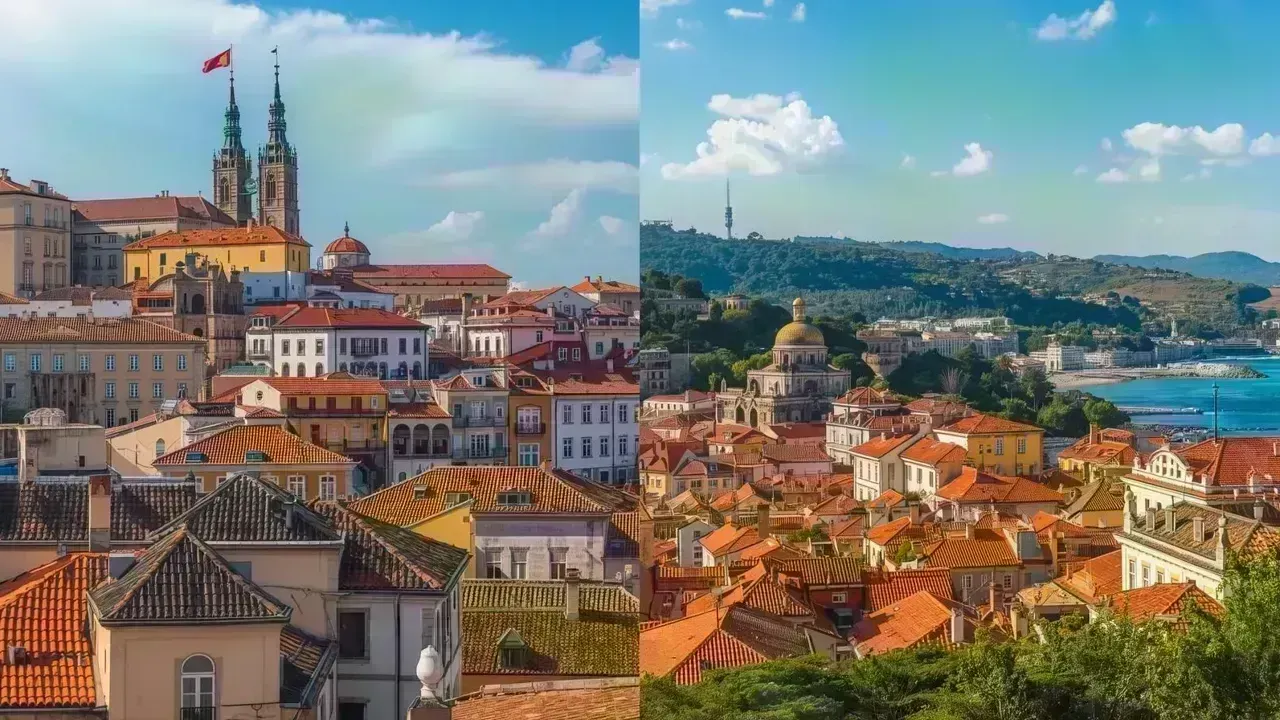
Portugal and Spain rank among Europe’s top tourist hotspots, frequently evaluated by travelers organizing their Mediterranean or Iberian trips. Both nations boast rich history, stunning coastlines, lively cities, delightful cuisines, and warm welcomes. However, the overall travel landscape, expenses, and attractions can vary. This comprehensive comparison outlines Portugal vs Spain for tourists, highlighting cost variations, top cities to explore, and distinctive experiences to help you identify which destination aligns best with your travel preference, budget, and aspirations.
For many travelers, budgeting is a pivotal factor when selecting between Portugal and Spain. Generally speaking, Portugal emerges as the more cost-effective choice, particularly regarding accommodations, meals, and public transport. While Spain can also be affordable, it tends to have a broader spectrum of pricing influenced by cities and seasons.
Accommodation prices in Portugal are typically lower, especially in cities like Porto, Braga, and Coimbra. Lisbon offers moderate pricing but remains less expensive than Madrid or Barcelona during high seasons. On the other hand, Spain's major cities and sought-after islands often feature elevated hotel rates, particularly in the summer months.
Dining expenses tend to be more budget-friendly in Portugal, with local dishes, pastries, and seafood available at reasonable prices, even in tourist-centric areas. Spain also provides value, notably with tapas and menu del día offerings, but dining in heavily trafficked tourist locations can be pricier.
Transport expenses lean towards Portugal, with inexpensive and easily navigable public transit. Spain's connectivity is excellent, yet high-speed train fares and extensive routes can hike travel costs.
Overall, those on a budget often find Portugal a more economical option, whereas Spain boasts a wider array of price choices.
While Portugal is smaller than Spain, it presents a fascinating array of cities and regions that cater to diverse traveler interests.
Lisbon, the capital and cultural epicenter of Portugal, is perched on hills near the Tagus River. Its historic neighborhoods, trams, viewpoints, and coastal allure make it a must-visit. Key attractions include Alfama, Belém, Bairro Alto, and nearby Sintra.
Porto is renowned for its picturesque riverside, wine cellars, and charming old town, making it a compact, romantic paradise ideal for couples and leisurely travelers.
Beach enthusiasts will find joy in Faro and the Algarve, known for stunning cliffs, pristine waters, and charming coastal towns, a favored summertime escape.
Braga and Coimbra appeal to history buffs seeking a quieter and more authentic Portuguese experience, rich in tradition.
Portugal’s cities are walkable, far less congested, and easily combinable in a single itinerary.
Spain, being larger and varied, offers an extensive range of cities, cultures, and landscapes.
Barcelona, one of Europe’s top tourist attractions, is famed for Gaudí architecture, beaches, nightlife, and culinary delights. It harmoniously blends urban energy with seaside leisure.
Madrid, the nation’s capital, boasts a reputation for museums, royal history, vast parks, and energetic nightlife, ideal for anyone who revels in art, culture, and city life.
Seville showcases traditional Andalusian culture, with flamenco, historic structures, and warm southern hospitality, providing a more laid-back tempo compared to Madrid or Barcelona.
Granada beckons with its Moorish history, particularly the Alhambra, alongside a budget-friendly atmosphere that appeals to students.
Valencia, Malaga, and Bilbao further diversify the offerings with beautiful beaches, innovative architecture, and a vibrant culinary scene.
Spain’s cities vary significantly in character and culture, perfect for those seeking an eclectic travel experience.
Both nations flaunt rich histories, yet their cultural presentations are distinct.
Portugal’s culture often exudes a more subdued and melancholic essence, evident in Fado music, age-old neighborhoods, and coastal customs. Visitors frequently describe Portugal as calm, soulful, and close-knit.
Conversely, Spain's culture is vibrant, expressive, and varies from region to region. Flamenco, local festivals, après-dinner dining, and strong regional identities create an energetic ambiance.
Portugal's historic landmarks generally enjoy fewer crowds, allowing for a leisurely exploration, while Spain's famous attractions often necessitate prior arrangements due to intense tourist traffic.
While both nations offer exquisite cuisine, their culinary styles show marked differences.
Portuguese cuisine leans heavily on seafood and comfort foods. Signature dishes such as bacalhau, grilled sardines, seafood rice, sweet delights like pastel de nata, and reasonably priced wines are standout features.
Spanish food is more regionally diverse. The tapas tradition fosters social dining experiences, with popular dishes including paella, jamón, tortilla española, and various regional seafood variants.
Dining out is typically less costly in Portugal, whereas Spain boasts more diversity and a rich street food scene.
Both countries offer quality wines at reasonable prices, but Portugal is often recognized for providing superior value.
Renowned for its dramatic coastline and surfing spots, Portugal shines, particularly in the Algarve and along the majestic Atlantic coast. The beaches tend to be scenic, less commercialized, and perfect for nature lovers.
Spain, however, presents a broader beach experience, from Mediterranean shores in Barcelona and Valencia to island paradises in Mallorca, Ibiza, and the Canary Islands. The beaches of Spain are more developed, catering to resort-style vacations.
For breathtaking coastal beauty and nature-centered journeys, Portugal is unmatched. Conversely, Spain offers a wealth of options for island getaways and resort-style indulging.
Spain is globally recognized as a nightlife powerhouse, with cities like Barcelona, Madrid, Ibiza, and Malaga offering late-night dining, vibrant clubs, festivals, and beach parties.
In contrast, Portugal's nightlife is more relaxed and community-focused, with Lisbon and Porto presenting lively areas but less of the frenetic energy that characterizes Spanish nightlife.
Individuals in search of animated nightlife scenes might prefer Spain, while those desiring evenings centered around gastronomy, wine, and ambiance will find Portugal more enticing.
While English is commonly spoken in both nations, Portugal often stands out for higher English fluency among its residents, easing communication for international visitors.
Both destinations are welcoming and well-equipped with excellent infrastructure, safety, and clear signage. Due to its smaller size, Portugal allows for easier travel between cities over shorter distances. Spain's vastness necessitates more logistical planning but rewards with greater diversity.
Public transport is reliable in both countries, with Portugal's compact routes particularly advantageous for brief excursions.
Typically, Portugal provides a more tranquil atmosphere compared to Spain, even during peak travel seasons. Key attractions are generally less congested, particularly outside of Lisbon.
In contrast, Spain's prominent attractions can overflow with tourists year-round, especially in cities like Barcelona, Madrid, and key beach locations.
Travelers who favor a relaxed pace often opt for Portugal, while those comfortable in lively and crowded environments tend to enjoy Spain.
Both Portugal and Spain are deemed safe for tourists. With low rates of violent crime, both nations present a friendly environment for solo explorers and families alike.
However, instances of pickpocketing can occur in crowded tourist districts, particularly across major Spanish urban centers. Portugal, on the whole, reports fewer issues relating to tourists.
Healthcare services, emergency support, and tourist assistance remain dependable across both countries.
Portugal caters to budget-conscious travelers, couples, solo wanderers, digital nomads, and those seeking a more laid-back cultural journey, scenic coastlines, and affordable dining.
Spain shines for those desiring cultural diversity, iconic sites, nightlife, regular festivities, island escapes, and a more dynamic atmosphere.
Both nations present fantastic travel options, but the ideal choice hinges on personal travel aspirations.
Portugal provides affordability, tranquility, stunning coastlines, and captivating cultural experiences, making it a prime choice for budget-friendly traveling. Spain promises variety, renowned cities, thriving nightlife, and rich regional traditions, appealing to those in search of excitement and diversity. If budget, simplicity, and calm are paramount, Portugal often emerges as the superior selection. Should iconic sites, bustling cities, and rich cultural experiences be your top priorities, Spain comes to the forefront.
This article is intended for informational purposes only. Travel expenses, accommodation rates, public transport fares, and tourist conditions may differ based on seasonality, location, and global factors. Travelers should confirm all information with official tourism bodies and service providers prior to arranging their journey.









Anticipated Dates for UAE Eid Al Adha 2026 Unveiled by Astronomical Experts
Experts predict Eid Al Adha 2026 in the UAE to start on May 27, prompting early holiday planning amo

DAE Achieves Remarkable Growth in Q1 2026 With Record Revenue
Dubai Aerospace Enterprise announces impressive financial results for Q1 2026, reflecting a surge in

Price Increase for Sony PS5 in Southeast Asia Effective May 1
Sony announces a price increase for the PS5 across Southeast Asia starting May 1, 2026, impacting ga

Potential ‘Super El Niño’ in 2026: Understanding the Climate Risks
Could a Super El Niño emerge in 2026? Discover its implications and potential global climate impacts

Global Energy Crisis Intensifies: Markets React to Oil Supply Challenges
Markets are on edge as oil disruptions escalate, influencing prices and economic stability. Explore

Must-See Tourist Spots in London You Can't Overlook
Explore London's essential attractions, from royal landmarks to vibrant markets, ensuring an unforge




