Post by : Sami Jeet
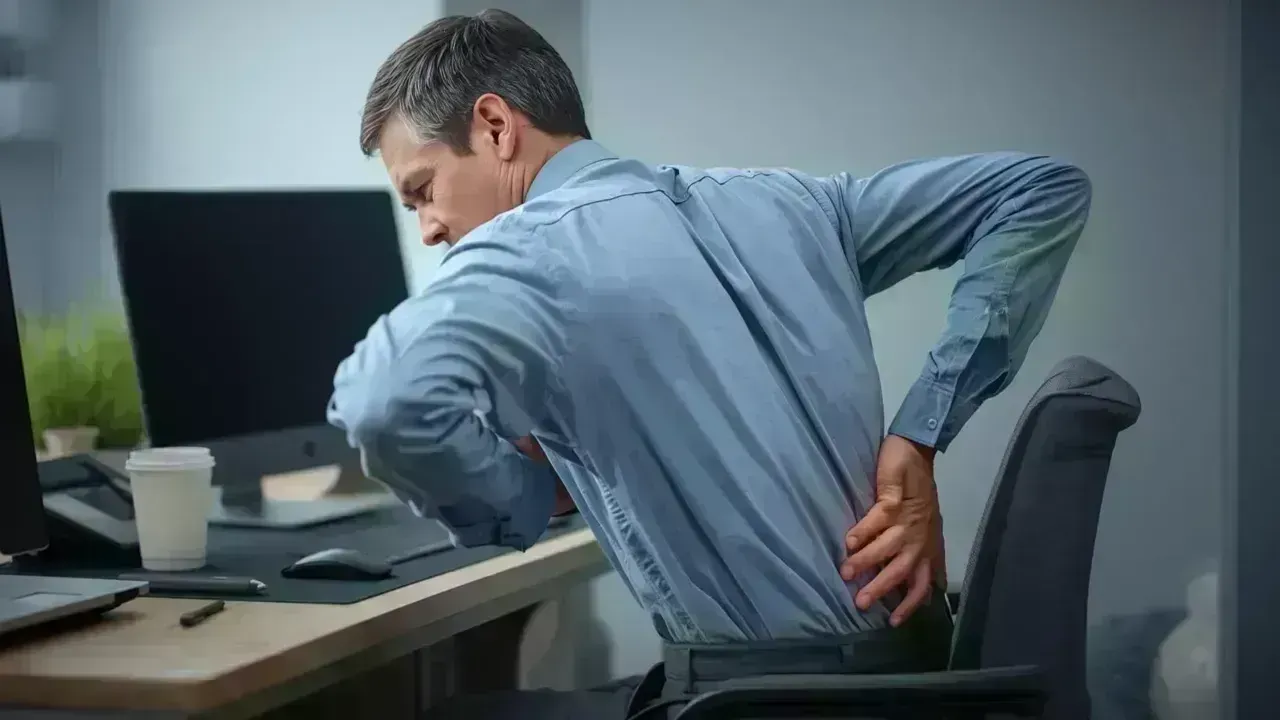
In today’s work environment, the average person finds themselves sitting more than ever. Whether it's from desk jobs, remote work, lengthy commutes, or constant screen time, our bodies are confined to static positions for extended hours. This inactivity affects the spine negatively, weakening muscles, stiffening joints, and increasing pressure on the lower back, ultimately leading to persistent discomfort and chronic pain, even in younger individuals.
Sitting creates more pressure on the spine compared to standing. Incorrect posture compresses spinal discs, diminishes blood flow, and tightens hip flexors. Slumped shoulders and forward head posture can strain the upper back and neck. Without regular movement, the spine's alignment can suffer, causing muscle imbalance and nerve irritation.
Back pain from sitting often arises gradually. Common signs include stiffness post-stand, dull lower back aches, tightness in the hips, tension in the neck and shoulders, diminished flexibility, and discomfort that intensifies by day's end. Ignoring these symptoms can lead to chronic posture-related complications.
One of the simplest yet most effective ways to mitigate back pain from sitting is to maintain proper posture. Sit with your back straight, shoulders relaxed, and feet flat on the floor. Position your hips slightly above your knees, and avoid crossing your legs for extended periods. Keeping your screen at eye level prevents slouching, while a small cushion or lumbar support reinforces the natural curve of your spine.
Creating an ergonomic workspace minimizes strain on the spine and muscles. Your chair should support your lower back and allow for a slight recline. Desk height has to keep elbows at a comfortable angle, and the keyboard and mouse should be positioned within easy reach to prevent shoulder strain. Minor adjustments can significantly ease daily discomfort.
The human body isn’t built for prolonged stillness. Taking a break to stand every 30 to 45 minutes helps restore circulation and reduce muscle stiffness. Engaging in short walks, gentle stretches, or posture resets during breaks can prevent pain from accumulating throughout the workday. Regular movement trumps long workout sessions for spinal health.
Stretching tight areas helps relieve pressure on the spine. Gentle back extensions, seated twists, shoulder rolls, and hip flexor stretches work wonders. Even short sessions of stretching during work hours can alleviate tension and enhance flexibility. Ensure stretches are slow and painless to avoid injury.
Weak core muscles increase tension on the lower back. Core strengthening improves stability and posture. Basic exercises like planks, pelvic tilts, and controlled leg lifts enhance strength without requiring heavy equipment. A robust core can help prevent recurring back pain associated with extended sitting.
Your lifestyle choices can impact back health. Sleeping on a supportive mattress, maintaining a healthy weight, and avoiding prolonged slouches while using phones are essential for spine protection. Additionally, carrying heavy bags on one shoulder and wearing unsupportive footwear can contribute to discomfort over time.
Consistent physical activity aids in keeping muscles flexible and joints active. Activities like walking, swimming, yoga, and light strength training are particularly advantageous for back health. Even moderate daily movement counteracts the negative effects of long periods of sitting and naturally enhances posture.
Stress can lead to muscle tension, especially in the back and shoulders. Employing deep breathing and relaxation techniques can help alleviate this tension. Conscious breathing enriches oxygen delivery to muscles and mitigates pain linked to stress and physical stiffness.
Heat therapy is effective for loosening tight muscles and improving circulation, which can alleviate stiffness from prolonged sitting. Cold therapy is beneficial for sharp or swollen pain. Using these methods occasionally can offer temporary relief in conjunction with posture correction and movement.
Not responding to pain signals, sitting for hours without breaks, using unsuitable work surfaces, and solely relying on pain medication are frequent missteps. Focusing on pain relief without addressing underlying issues can lead to continuous discomfort. Long-term improvements stem from consistent posture adjustment and movement.
If your back pain continues for weeks, worsens, or comes with numbness, tingling, or leg weakness, it's crucial to consult with a healthcare provider. Early intervention can help in preventing serious spinal issues and long-term damage.
To effectively manage back pain stemming from long sitting hours, emphasize developing daily habits over temporary solutions. Small changes in posture, movement, and activity can lead to significant long-term benefits. Consistency trumps intense, sporadic efforts.
Back pain from long hours of sitting is increasingly prevalent but largely avertable. Adopting proper posture, integrating regular movement, creating an ergonomic setup, and engaging in simple strengthening exercises can greatly relieve discomfort. Focusing on daily habits will safeguard spine health and enhance overall life quality.
This article serves informational purposes only and should not replace professional medical advice. Those experiencing severe or ongoing back pain should seek evaluation from a qualified healthcare professional.










Anticipated Dates for UAE Eid Al Adha 2026 Unveiled by Astronomical Experts
Experts predict Eid Al Adha 2026 in the UAE to start on May 27, prompting early holiday planning amo

DAE Achieves Remarkable Growth in Q1 2026 With Record Revenue
Dubai Aerospace Enterprise announces impressive financial results for Q1 2026, reflecting a surge in

Price Increase for Sony PS5 in Southeast Asia Effective May 1
Sony announces a price increase for the PS5 across Southeast Asia starting May 1, 2026, impacting ga

Potential ‘Super El Niño’ in 2026: Understanding the Climate Risks
Could a Super El Niño emerge in 2026? Discover its implications and potential global climate impacts

Global Energy Crisis Intensifies: Markets React to Oil Supply Challenges
Markets are on edge as oil disruptions escalate, influencing prices and economic stability. Explore

Must-See Tourist Spots in London You Can't Overlook
Explore London's essential attractions, from royal landmarks to vibrant markets, ensuring an unforge




