Post by : Saif Nasser
People trying to lose weight frequently reach for items such as peanut butter, quinoa and nuts believing they are strong protein options. In an Instagram video posted on October 23, nutrition coach Justin Gichaba argued these items can be misleading: many marketed as "high-protein" actually supply more fats and carbohydrates than protein, which can raise calorie intake and impede fat loss.
With a following of over 10,000, Justin listed five commonly consumed foods that are often perceived as protein-rich but may contribute excess calories. He said these choices do not always support muscle gain or fat reduction as well as true protein sources do.
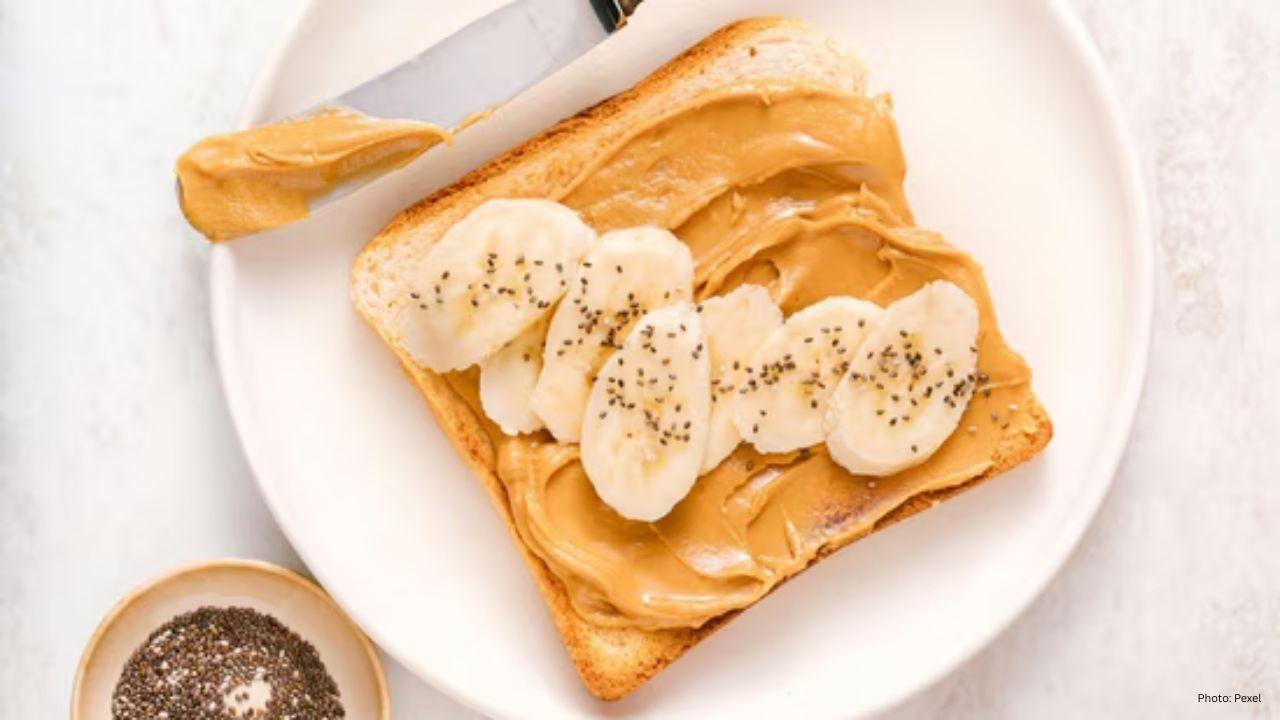
He began with peanut butter, a popular snack and spread. Justin pointed out that while it contains some protein, its composition is dominated by fats, making it calorie-dense. He warned that relying on peanut butter for protein can quickly escalate daily calorie totals.
Beans featured second on his list. Though recommended as a plant-based protein by many experts, beans also carry a substantial carbohydrate load. Justin noted that this carbohydrate content can add up and undermine calorie control when weight loss is the objective.
Quinoa, often hailed as a superfood, was the next item he addressed. Justin said quinoa has more carbohydrates than many assume; although it offers more protein than some grains, it is not sufficient to replace primary protein sources in a diet focused on fat loss.
Nuts — including almonds, cashews and pistachios — were highlighted for their healthy fats but also for their high calorie density. Justin emphasized that while these fats can be beneficial in moderation, nuts should not be treated as a primary way to meet daily protein needs because excessive portions add significant calories.
Finally, Justin criticized granola’s reputation as a protein food. He described many granola products as heavy in carbohydrates and fats, and said labels that promote granola as "high-protein" frequently overstate how much protein is truly provided per serving.
Justin’s assessment underscores an important distinction for those managing weight: not every food labeled or perceived as protein-rich delivers a protein-heavy macronutrient profile. Hidden fats and sugars can increase caloric intake even when choices appear healthy.
He urged consumers to examine nutrition labels rather than rely on marketing claims, checking the grams of protein, fat and carbohydrates per serving. For clearer protein intake, he recommended sources such as chicken breast, fish, eggs, Greek yogurt and lentils.
Justin also explained that foods high in both fats and carbohydrates are often more palatable and easier to overconsume, and they may not provide the same sustained fullness as protein-rich meals. He advocated for a balanced diet featuring adequate protein, fiber and healthy fats to support body composition goals.
Dietitians and nutrition professionals broadly agree with his central point: items like nuts, quinoa and beans can be nutritious components of a diet but should not be confused with concentrated protein sources without checking portion sizes and macronutrient breakdown.
For those focused on fat reduction, portion control and appropriate protein selection are critical. Small servings of the foods Justin named can fit into a weight-loss plan, but they should not replace lean animal proteins or validated plant-based protein options and supplements when higher protein intake is required.
His message serves as a pragmatic reminder that well-marketed or health-branded foods can nonetheless hinder weight-loss efforts if consumed without attention to their nutrient composition.
In an era when many products are promoted as "high-protein" or "superfoods," Justin’s recommendation is clear: verify the facts on labels and prioritize genuinely protein-dense choices to meet fitness and fat-loss objectives.










DAE Achieves Remarkable Growth in Q1 2026 With Record Revenue
Dubai Aerospace Enterprise announces impressive financial results for Q1 2026, reflecting a surge in

Price Increase for Sony PS5 in Southeast Asia Effective May 1
Sony announces a price increase for the PS5 across Southeast Asia starting May 1, 2026, impacting ga

Potential ‘Super El Niño’ in 2026: Understanding the Climate Risks
Could a Super El Niño emerge in 2026? Discover its implications and potential global climate impacts

Global Energy Crisis Intensifies: Markets React to Oil Supply Challenges
Markets are on edge as oil disruptions escalate, influencing prices and economic stability. Explore

Must-See Tourist Spots in London You Can't Overlook
Explore London's essential attractions, from royal landmarks to vibrant markets, ensuring an unforge

Ultimate Guide to Snagging Cheap Flights in 2026
Unlock the secrets to booking affordable flights in 2026 with insightful tips and strategies tailore




