Post by : Saif Nasser
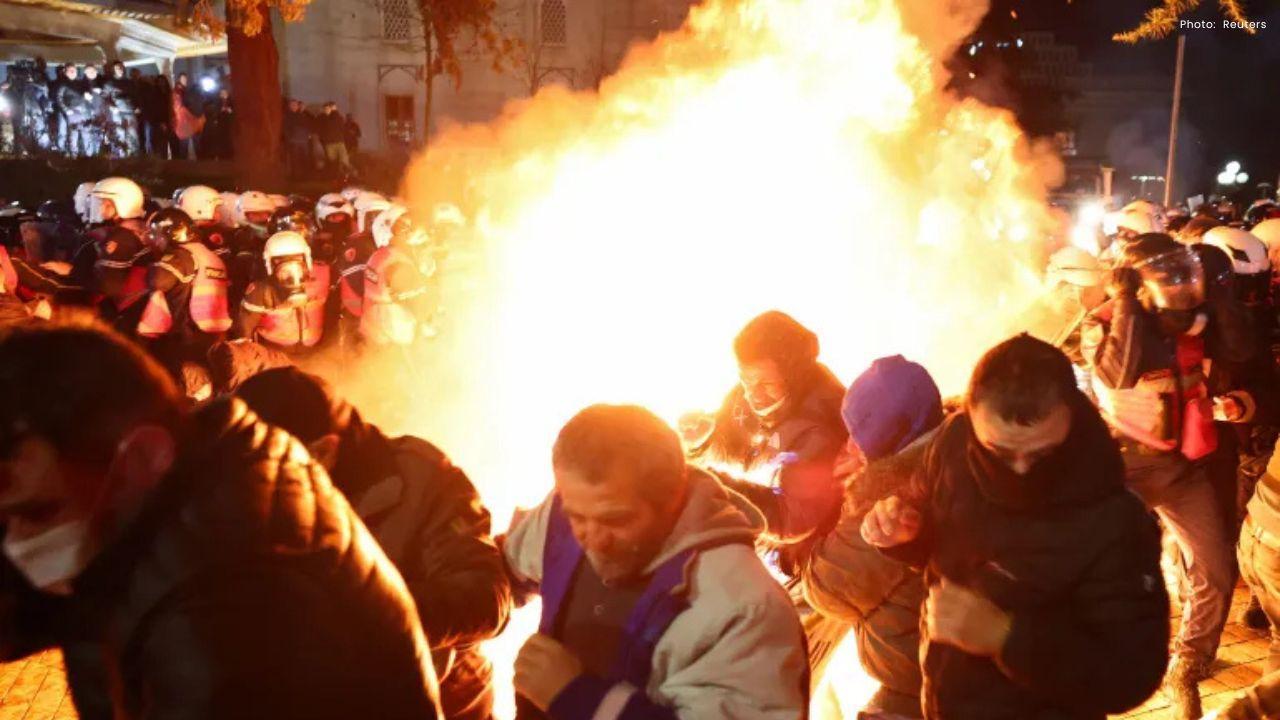
Tens of thousands of people took to the streets of Albania’s capital, Tirana, on Tuesday night in a powerful anti‑government protest that turned violent. The unrest was driven by deep public anger over allegations of corruption involving high‑ranking government officials.
The demonstration began as citizens marched to demand the resignation of Deputy Prime Minister Belinda Balluku. Protesters accuse her of using her official position to unfairly steer public contracts to certain companies. Balluku has denied the accusations, but the issue has sparked strong feelings among many Albanians.
Thousands gathered near the centre of Tirana, carrying flags and chanting for change. Many called for the resignation of Prime Minister Edi Rama as well, saying they no longer trust the leadership to act fairly and honestly. The crowd chanted slogans demanding an end to corruption and government resignations.
As the protest grew in size and intensity, tensions rose between the demonstrators and the police. Some in the crowd began throwing Molotov cocktails, flares, and stones towards government buildings and officers. In response, riot police used tear gas, water cannons, and force to push back the protesters.
The clashes left at least sixteen people injured. Some were treated in hospitals for burns and other wounds. Police also arrested thirteen people at the scene as violence escalated.
This protest marked the third major anti‑government demonstration in recent months to turn violent. Earlier gatherings also saw clashes between police and demonstrators. Analysts say many Albanians feel frustrated not just by this latest corruption case, but by what they see as deeper problems with political corruption and a lack of fairness in public life.
Opposition leaders have framed the protests as a turning point for the country. Sali Berisha, head of one major opposition party, described the movement as a “peaceful uprising” aimed at demanding justice and accountability.
However, some political observers are cautious about how much change these protests will bring. They point out that national politics in Albania has long been marked by tension and struggle between rival parties, and neither side is without its own controversies. This makes it harder for mass protests to produce quick political results.
Albania is also trying to move closer to the European Union. The country hopes to join the EU by 2027, but its membership progress is closely watched by European leaders. Issues such as corruption and rule of law are key criteria for EU accession. Ongoing unrest could make that process more complex.
As the night drew on and the protest ended, many in Tirana felt a mix of pride and frustration. Some vowed to continue demonstrating until they saw significant changes in their government. Others worry that the violence could deepen divisions within Albania’s society.
The events in Tirana show how strongly people feel about their country’s future. Whether these protests will lead to political reform or simply more tension remains to be seen.





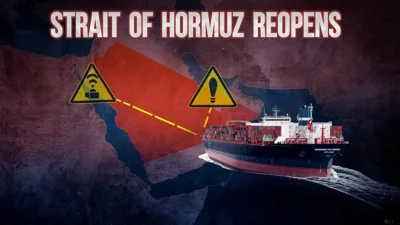
Reopening of the Strait of Hormuz: New Regulations to Impact Global Trade
Iran reopens the strategic Strait of Hormuz with new regulations affecting oil transport and global

Top 10 Must-See Attractions in NYC for First-Time Explorers
Discover essential experiences for first-time visitors to NYC, including attractions, culture, and i

Starbucks Engages Boyu Capital for Major Chinese Expansion
Starbucks teams up with Boyu Capital, selling a majority stake to boost growth and adapt to the Chin
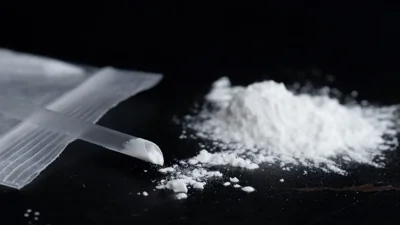
Three Individuals Charged in Massive Meth Trafficking Case in Malaysia
In Malaysia, a married couple and another suspect are charged with trafficking 510kg of meth, facing
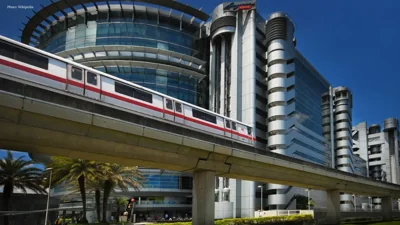
Singapore Police Revisit Geylang Murder Scene with Suspect
In Geylang, police return a murder suspect to the scene of a crime involving the fatal stabbing of a