Post by : Saif Nasser
The long-running border dispute between Cambodia and Thailand has turned deadly once again, forcing regional and global powers to step in and urge calm. This week, China sent its special envoy for Asian affairs to Cambodia in an effort to reduce fighting and restart peace talks between the two Southeast Asian neighbors.
According to Cambodia’s foreign ministry, Chinese envoy Deng Xijun visited Phnom Penh to encourage both sides to de-escalate the violence and return to dialogue. His visit comes at a critical time, as clashes along the disputed border have killed around 60 people and forced more than half a million civilians to flee their homes.
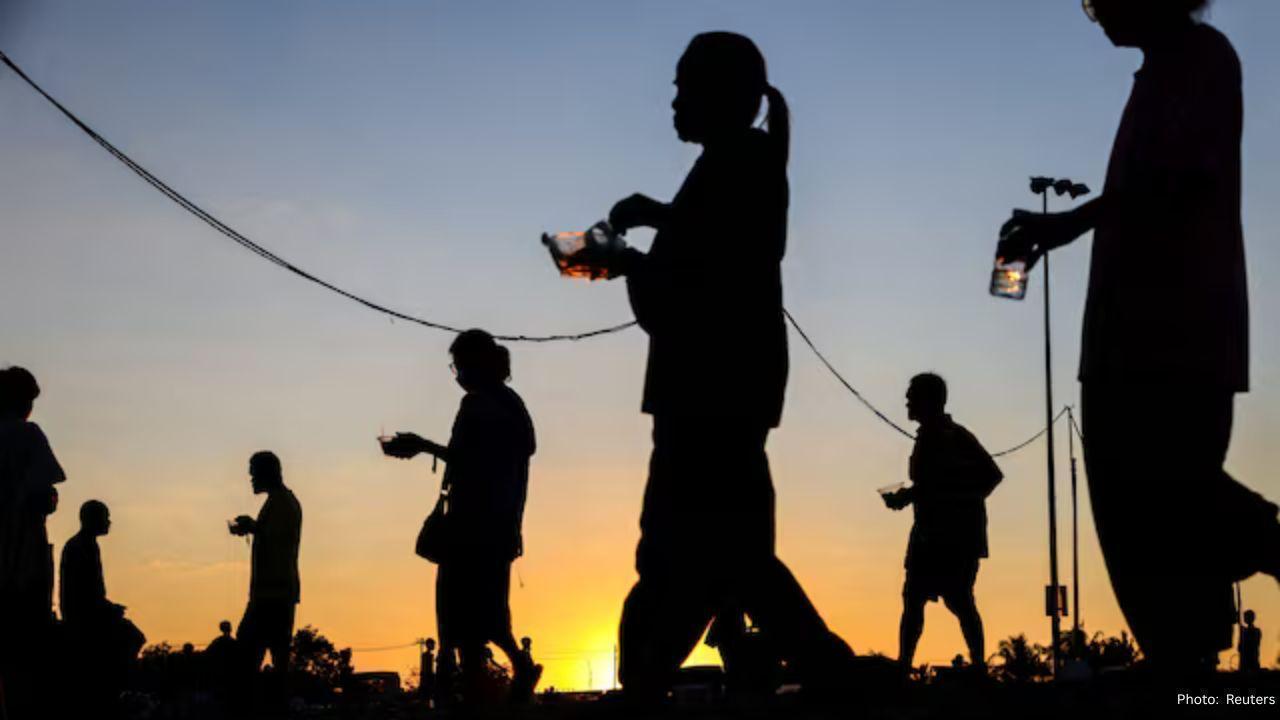
The fighting spread across several contested areas near the Thailand–Cambodia border. Villages have been damaged, families separated, and thousands of people are now living in temporary shelters. Many displaced residents are relying on food aid and emergency help to survive.
This latest round of violence broke out after a ceasefire collapsed. That truce had earlier been brokered with international support, but renewed clashes showed how fragile peace remains between the two countries. Border disputes between Cambodia and Thailand have a long history, often linked to unclear boundaries and claims over land near ancient temple sites.
China’s role in the crisis is being closely watched. In its statement, Cambodia’s foreign ministry said Deng Xijun assured leaders that China would continue to play a “constructive role” in helping both sides talk and find a peaceful solution. China has strong diplomatic and economic ties with Cambodia and also maintains important relations with Thailand, giving it influence with both governments.
The United States is also involved in diplomatic efforts. US Secretary of State Marco Rubio said Washington is cautiously hopeful that Cambodia and Thailand could return to respecting the ceasefire by early next week. His comments came ahead of a special meeting of the Association of Southeast Asian Nations, or ASEAN, scheduled for Monday. ASEAN is expected to discuss ways to stop the fighting and protect civilians.
The renewed international push shows growing concern that the conflict could worsen if left unchecked. Prolonged fighting risks deeper instability in the region, especially as large numbers of civilians remain displaced and vulnerable.
For people living near the border, peace talks cannot come soon enough. Many have lost homes, livelihoods, and a sense of safety. Aid groups warn that without a ceasefire, the humanitarian crisis could grow even more severe.
This moment is a test for regional diplomacy. China, the United States, and ASEAN all say they want peace, but success will depend on whether Cambodia and Thailand are willing to step back from violence and return to negotiations.
As talks continue, the world will be watching to see if diplomacy can succeed where weapons have failed, and whether calm can be restored along one of Southeast Asia’s most sensitive borders.








Mattel Revives Masters of the Universe Action Figures Ahead of Film Launch
Mattel is reintroducing Masters of the Universe figures in line with its upcoming film, tapping into

China Executes 11 Members of Criminal Clan Linked to Myanmar Scam
China has executed 11 criminals associated with the Ming family, known for major scams and human tra

US Issues Alarm to Iran as Military Forces Deploy in Gulf Region
With a significant military presence in the Gulf, Trump urges Iran to negotiate a nuclear deal or fa

Copper Prices Reach Unprecedented Highs Amid Geopolitical Turmoil
Copper prices soar to all-time highs as geopolitical tensions and a weakening dollar boost investor

New Zealand Secures First Win Against India, Triumph by 50 Runs
New Zealand won the 4th T20I against India by 50 runs in Vizag. Despite Dube's impressive 65, India