Post by : Saif Nasser
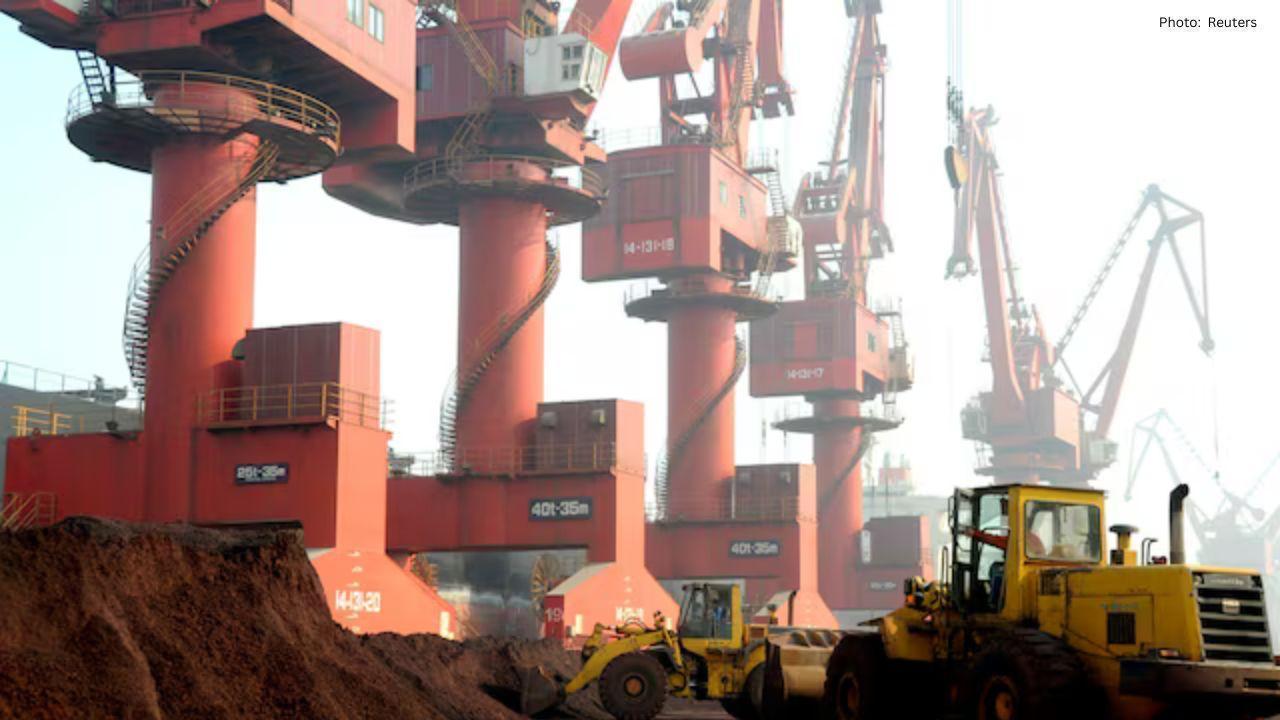
China has announced a new step to make rare earth exports faster and more efficient. The country’s Commerce Ministry said it has started granting a new type of export permit called a “general licence” for rare earth materials. This change is meant to reduce delays and improve the flow of these important resources to global markets.
Rare earth elements are critical for many modern industries. They are used in electric vehicles, smartphones, wind turbines, defence equipment, and other high-tech products. China is the world’s largest producer and supplier of rare earths, which gives it a strong position in the global supply chain.
According to the Commerce Ministry, several exporters have already received these new general licences. Officials explained that some Chinese companies met the basic requirements needed to qualify and had their applications approved. The new licence system is designed to cover regular shipments, which could make exports smoother than before.
The announcement came after reports that some licences were issued to companies linked to Europe. When asked by media in Hong Kong, a ministry spokesperson confirmed that applications had been approved but did not clearly name any European firms. This has left some questions unanswered about which countries or companies will benefit first.
Reports have also suggested that suppliers connected to U.S. carmaker Ford have already received the new licences. This could help ease concerns in the electric vehicle industry, which depends heavily on steady supplies of rare earth materials. However, no European company has publicly confirmed receiving a licence so far.
European Union officials are watching the situation closely. The EU’s trade chief said there are signs that some European companies may have received approvals, but details remain limited. This uncertainty highlights how closely governments and industries are tracking China’s rare earth policies.
China has often used export controls and licensing systems to manage rare earth shipments. These controls are usually explained as measures to protect resources, ensure legal trade, and meet environmental standards. Still, changes in policy can have global effects because many countries rely on Chinese supplies.
By introducing a faster and more flexible licence system, China appears to be responding to international concerns about supply stability. At the same time, the country keeps control over who can export and in what volumes. This balance allows Beijing to support global industries while protecting its own strategic interests.
The move could bring some relief to manufacturers around the world, especially those facing delays or shortages. If the system works as planned, it may help reduce uncertainty in key sectors such as electric vehicles, clean energy, and electronics.
As global demand for rare earths continues to grow, China’s export decisions will remain closely watched. The new licence system may mark a shift toward smoother trade, but its real impact will become clear only over time.






Mattel Revives Masters of the Universe Action Figures Ahead of Film Launch
Mattel is reintroducing Masters of the Universe figures in line with its upcoming film, tapping into

China Executes 11 Members of Criminal Clan Linked to Myanmar Scam
China has executed 11 criminals associated with the Ming family, known for major scams and human tra

US Issues Alarm to Iran as Military Forces Deploy in Gulf Region
With a significant military presence in the Gulf, Trump urges Iran to negotiate a nuclear deal or fa
Copper Prices Reach Unprecedented Highs Amid Geopolitical Turmoil
Copper prices soar to all-time highs as geopolitical tensions and a weakening dollar boost investor

New Zealand Secures First Win Against India, Triumph by 50 Runs
New Zealand won the 4th T20I against India by 50 runs in Vizag. Despite Dube's impressive 65, India