Post by : Saif Nasser
The growing tension between China and Japan has once again drawn the world’s attention to the fragile peace in East Asia. Recent statements by China’s Foreign Minister Wang Yi and strong responses from Japan show how quickly words and military actions can raise the risk of conflict in sensitive regions.
The dispute began after Japan accused Chinese fighter jets of aiming radar at Japanese military aircraft. Japan described this as a dangerous and unsafe action. In response, China claimed that Japanese planes were flying too close to Chinese naval exercises and were trying to disturb their military training.
This exchange of accusations may sound like a normal political argument, but it carries serious risks. When military planes and ships from powerful countries come too close to each other, even a small mistake can lead to a dangerous situation.
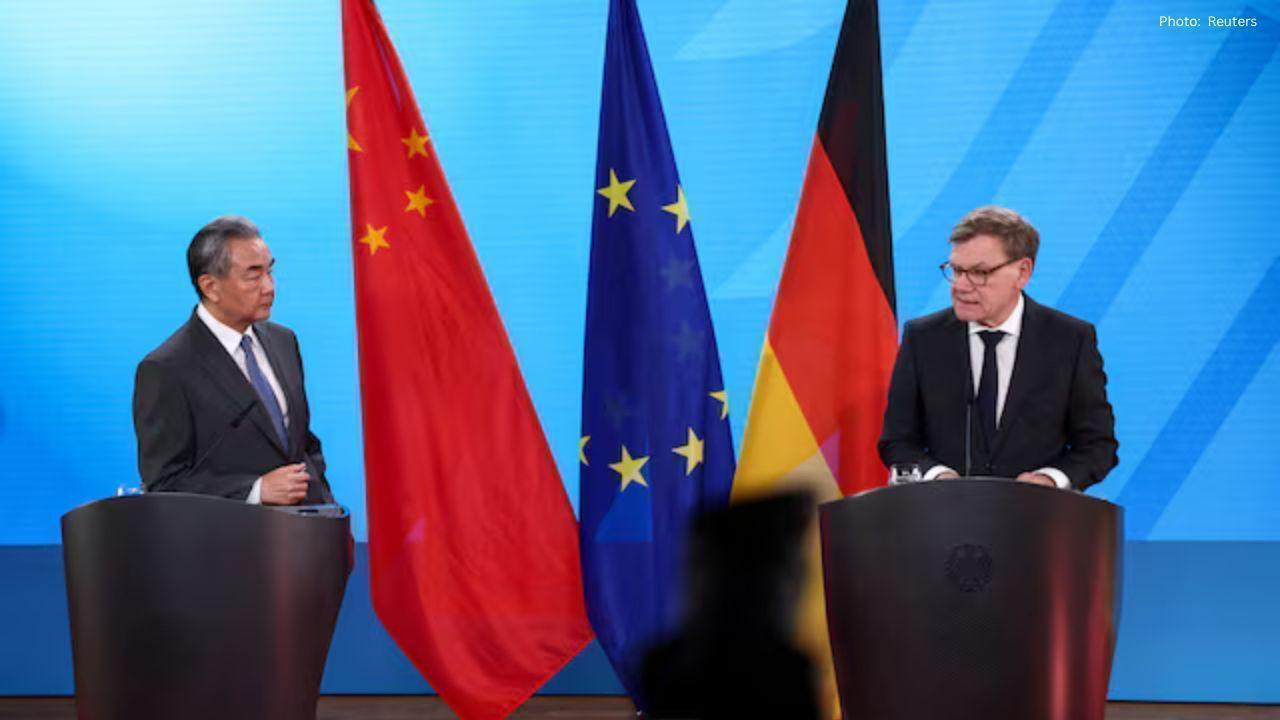
China’s foreign minister told his German counterpart that Japan was “threatening China militarily.” He strongly criticized Japan’s position on Taiwan and reminded the world of Japan’s actions during World War Two. He said that because this year marks 80 years since the war ended, Japan should act with more caution and responsibility.
China believes that Taiwan is part of its territory and has repeated this claim many times. However, Taiwan has its own government, elections, and military, and it strongly rejects China’s claim. Taiwan’s leaders have said clearly that their future should be decided only by the people who live on the island.
This dispute is not only about history. It is about power, influence, and fear of the future. Japan has grown more concerned about China’s military strength. Recently, Japan’s prime minister warned that Japan could respond if any action against Taiwan also threatened Japanese safety. This has made China more angry and more vocal.
From an editorial point of view, this situation is deeply worrying. Asia is home to some of the world’s strongest economies and busiest sea routes. Peace in this region is important not only for China and Japan, but for the whole world. Any conflict here would affect trade, travel, and global security.
It is also important to understand that military power should never be used as a tool to send political messages. Aiming radar at aircraft or flying too close to warships are risky actions. They increase fear and mistrust and make peaceful talks more difficult.
Diplomacy should always be the first choice. Countries must use dialogue, respect, and patience instead of threats and military pressure. History has shown that wars often begin with small incidents that were ignored or not taken seriously.
Germany’s involvement as a listening partner also shows that the world is watching closely. Global powers are aware that what happens in East Asia can affect everyone. That is why calm voices and peaceful actions are needed more than ever.
In simple words, no country wins in war. Soldiers suffer, families suffer, and economies suffer. Technology may have become more advanced, but the pain of war remains the same. Leaders must think carefully before allowing tensions to grow further.
The current situation between China and Japan is a clear warning. Strong words and risky military moves can easily lead to dangerous outcomes. The world needs wisdom, patience, and peace—not pride or power games.
In the end, only honest communication and respect for international rules can protect the future of this region. Peace is not a weakness. It is the strongest path forward.









Mattel Revives Masters of the Universe Action Figures Ahead of Film Launch
Mattel is reintroducing Masters of the Universe figures in line with its upcoming film, tapping into

China Executes 11 Members of Criminal Clan Linked to Myanmar Scam
China has executed 11 criminals associated with the Ming family, known for major scams and human tra
US Issues Alarm to Iran as Military Forces Deploy in Gulf Region
With a significant military presence in the Gulf, Trump urges Iran to negotiate a nuclear deal or fa

Copper Prices Reach Unprecedented Highs Amid Geopolitical Turmoil
Copper prices soar to all-time highs as geopolitical tensions and a weakening dollar boost investor

New Zealand Secures First Win Against India, Triumph by 50 Runs
New Zealand won the 4th T20I against India by 50 runs in Vizag. Despite Dube's impressive 65, India