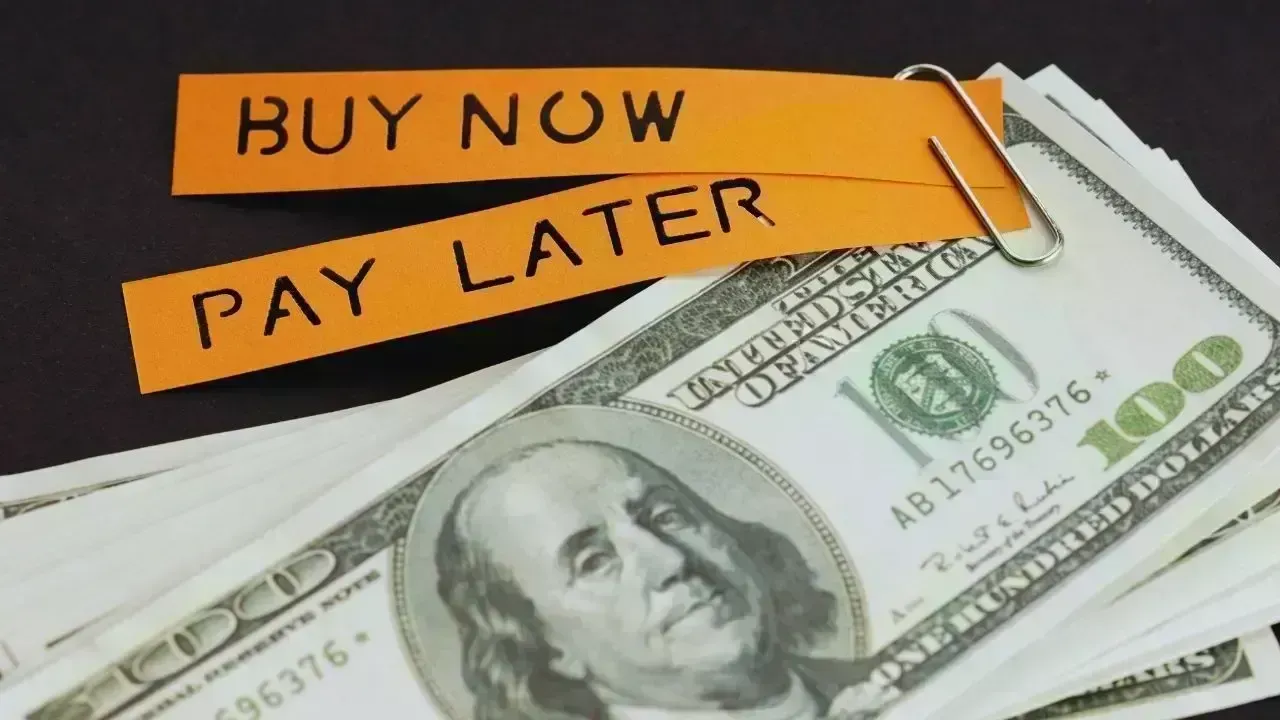
Post by : Anees Nasser
Young shoppers today live in a world where possession happens instantly and payment gets postponed. Phones, clothes, gadgets, courses, and even groceries are all available without waiting. Everything arrives at your door in hours, weeks before your money ever leaves your account.
This change didn’t happen naturally. It was engineered.
What once required saving or choosing carefully now comes with a comforting message at checkout: Buy now, pay later.
The message removes fear. It does not look like credit. It does not feel like borrowing. It sounds like convenience and confidence.
But the reality is much heavier.
When a person buys without money leaving their hand, the mind disconnects from cost. Spending feels unreal. Ownership arrives first. Consequence arrives later. And later is the most expensive time.
People are not afraid of borrowing.
They are afraid of borrowing big.
That difference matters because “small” payments create false safety.
A payment of ₹500 seems harmless.
An EMI of ₹1,200 looks doable.
A split cost of ₹599 feels invisible.
The danger is not the number.
The danger is the comfort.
Once small borrowing becomes normal, confidence replaces caution. Spending increases not because income rises—but because emotion dominates choice.
A ₹60,000 phone is reduced to a ₹2,500 monthly decision.
A ₹15,000 holiday becomes a ₹900 problem.
A ₹6,000 jacket turns into a casual tap.
Everything becomes an instalment.
Nothing feels expensive.
And that is the illusion.
The word “later” is more than a promise.
It is permission.
It shifts pain from the present moment. The buyer doesn’t need to plan. The future will handle the cost. The present enjoys the reward.
“Later” allows people to avoid discomfort.
Later avoids budget checking.
Later avoids guilt.
Later avoids saying no.
But “later” also hides anxiety.
Bills wait there.
Stress waits there.
Doubt grows there.
The damage does not happen at purchase.
It happens when the salary arrives and disappears instantly.
Then the regret begins.
Young adults were not born into cash.
They were born into credit.
Payments, wallets, loans, and subscriptions exist inside every phone screen. Convenience surrounds every desire. Platforms are faster than thought.
And companies know this.
Youth is targeted because it is:
Emotion-driven.
Comfort-seeking.
Experience-focused.
Digitally fluent.
Income unstable.
Socially pressured.
Traditional loans felt serious because banks demanded forms, checks, and fear.
BNPL removes all of that.
No interviews.
No approval drama.
No visible judgement.
Just one tap.
Ownership.
Done.
BNPL platforms do not advertise debt.
They advertise lifestyle.
Colours are soft and calming.
Language is friendly and safe.
Transactions are smooth and invisible.
The system is designed to feel welcoming, not risky.
And emotion becomes the salesman.
People buy not because they can afford.
They buy because it feels good.
The real problem begins when one purchase becomes ten.
After the first transaction succeeds, confidence grows.
Next purchase happens easily.
Then another.
Then another.
The consumer never stops to ask, “How many commitments do I already have?”
Because the apps don’t want that question asked.
Slowly:
Multiple EMIs stack.
Different due dates arrive.
Various apps deduct money.
One salary bleeds out.
Then the panic starts.
Not because one loan is big.
But because many small ones become unbearable.
Traditional loans come with seriousness.
BNPL comes with silence.
There is no handshake.
No document signing.
No warning banner.
No banking atmosphere.
Just a button.
Just an account.
Just a promise.
Money disappears quietly.
Anxiety arrives loudly.
BNPL fractures finances.
Payments scatter across apps.
Dates differ every week.
Auto-debits run silently.
Young earners struggle to answer one simple question:
“How much am I paying this month?”
Without a clear financial picture, people lose control.
Control is what keeps debt healthy.
Without it, money disappears without memory.
BNPL often claims to charge no interest.
But money still leaks.
Late payments cost more.
Rescheduling adds penalties.
Defaults trigger recovery fees.
Prolonged delays affect credit history.
And credit history never forgets.
Young consumers don’t realise one missed payment today can damage:
Home loans tomorrow.
Business credit years later.
Employment trust silently.
Credit scores shape futures.
BNPL messages rarely mention that.
The biggest harm BNPL causes is that it spends income before it arrives.
People do not wait for money anymore.
Money waits for people.
But eventually—money gives up.
When future salary is already spent:
Stress arrives.
Savings disappear.
Dependence increases.
People borrow not for desire, but survival.
That is the final stage.
People rarely talk about the emotional cost.
BNPL creates:
Payment fear.
Notification anxiety.
Financial shame.
Sleeplessness.
Regret loops.
People avoid bank messages.
Scroll past recovery calls.
Pretend everything is fine.
But worry grows in silence.
BNPL does not forgive easily.
Missed payments result in:
Pressure calls.
Service blocks.
Future credit issues.
Data sharing with finance partners.
What seemed like “just an app” becomes a permanent financial record.
One forgotten payment follows people for years.
Schools taught equations.
Not credit.
Homes taught manners.
Not money.
And suddenly young people face digital finance without armour.
They learn through mistakes.
And mistakes cost interest.
BNPL is no longer about shopping.
It is about living.
Groceries go on instalment.
Fees get split.
Medicines get delayed.
Bills get postponed.
Credit becomes air.
And when air costs money, life suffocates.
BNPL companies do not earn when everything goes right.
They earn when:
Payments delay.
Users scroll more.
Habits weaken.
Fees trigger.
Convenience becomes income.
For them.
Not for you.
Credit should include:
Warnings.
Delay.
Calculation.
Limits.
Education.
Instead, BNPL offers:
Speed.
Silence.
Emotion.
Illusion.
That is not empowerment.
That is engineering.
No one escapes debt overnight.
But habits begin today.
Use instalments only for emergencies.
Avoid lifestyle purchases on credit.
Delete unnecessary apps.
Track spending weekly.
Pay early.
Avoid multiple EMIs.
Discipline is cheaper than regret.
Convenience cannot go unregulated.
Laws must protect:
Disclosure.
Transparency.
Consumer education.
Financial limits.
Fair recovery practices.
Debt should not wear a smile.
A generation that always pays later
Eventually owns nothing fully.
The model teaches:
Rent everything.
Owe always.
Save never.
That is not freedom.
That is quiet captivity.
BNPL does not steal your money instantly.
It borrows your future.
It reshapes your thinking.
It distorts value.
It replaces planning with pleasure.
And when the pleasure fades…
Only obligation remains.
The payment you delay today
Returns with weight tomorrow.
DISCLAIMER
This article is for general awareness only and does not provide financial or legal advice. Readers are advised to consult professional financial counsellors before using instalment services or credit-based platforms.






Anticipated Dates for UAE Eid Al Adha 2026 Unveiled by Astronomical Experts
Experts predict Eid Al Adha 2026 in the UAE to start on May 27, prompting early holiday planning amo

DAE Achieves Remarkable Growth in Q1 2026 With Record Revenue
Dubai Aerospace Enterprise announces impressive financial results for Q1 2026, reflecting a surge in

Price Increase for Sony PS5 in Southeast Asia Effective May 1
Sony announces a price increase for the PS5 across Southeast Asia starting May 1, 2026, impacting ga

Potential ‘Super El Niño’ in 2026: Understanding the Climate Risks
Could a Super El Niño emerge in 2026? Discover its implications and potential global climate impacts

Global Energy Crisis Intensifies: Markets React to Oil Supply Challenges
Markets are on edge as oil disruptions escalate, influencing prices and economic stability. Explore

Must-See Tourist Spots in London You Can't Overlook
Explore London's essential attractions, from royal landmarks to vibrant markets, ensuring an unforge




