Post by : Vansh
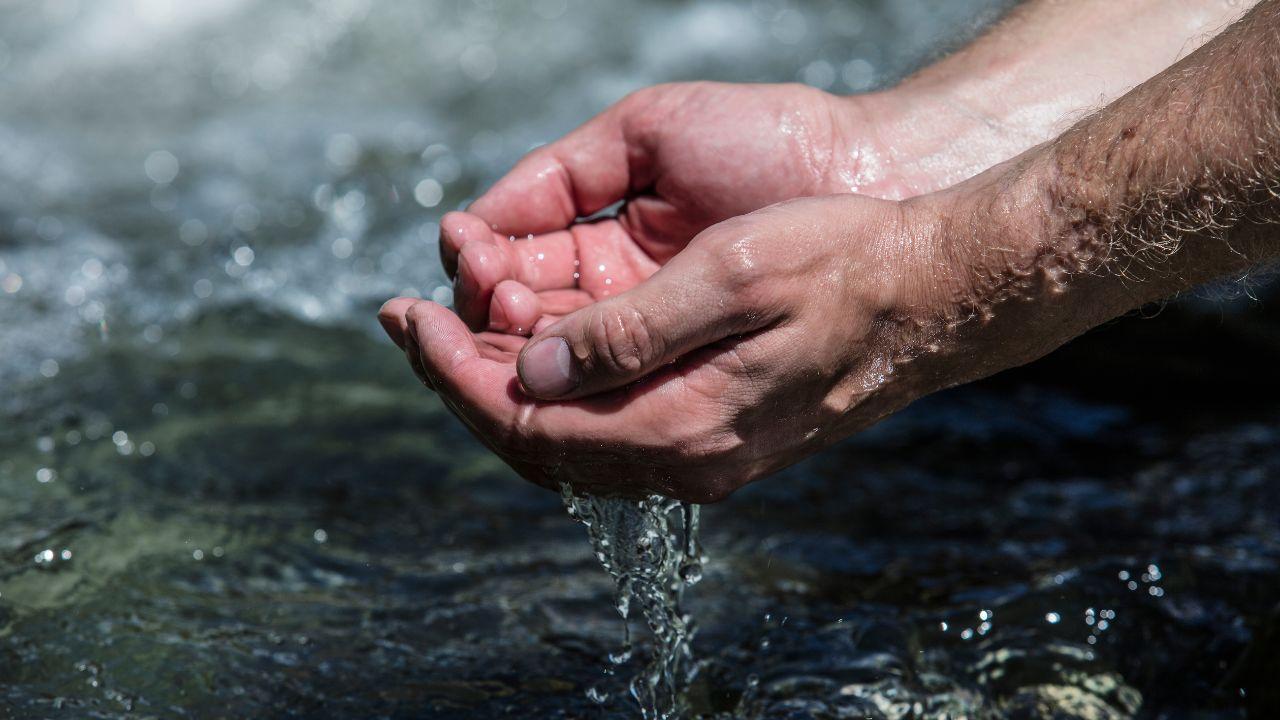
In an era of rapid industrialization and climate disruption, clean water has become the most precious and contested resource on Earth. Often called "blue gold," fresh water is essential for life, yet alarmingly scarce in many parts of the world. As populations grow and natural ecosystems falter, the demand for clean water is outpacing supply. This escalating crisis threatens not only human health and food security but also the fragile environmental balance that sustains life on our planet.
The battle for clean water is no longer a distant threat—it’s a present-day emergency that calls for global awareness, innovation, and cooperation.
At the heart of the Blue Gold Crisis is a complex web of interconnected challenges: climate change, pollution, over-extraction, and poor water governance. Climate change is altering rainfall patterns, drying rivers, melting glaciers, and increasing the frequency of droughts and floods. This disrupts the water cycle and makes water supplies less predictable and reliable.
Simultaneously, pollution from factories, farms, and urban runoff contaminates rivers, lakes, and aquifers. Agricultural chemicals, heavy metals, and untreated sewage seep into waterways, making clean water harder to find and more expensive to treat. In many regions, outdated infrastructure and weak regulations worsen the problem, allowing valuable water to be wasted or lost before it even reaches consumers.
These pressures have pushed water systems around the globe into a state of stress—threatening communities, economies, and ecosystems alike.
The global clean water crisis is not just an environmental issue—it’s a humanitarian one. Over 2 billion people lack access to safely managed drinking water, according to the World Health Organization. Every year, millions die from waterborne diseases caused by unsafe water and poor sanitation. Children and vulnerable communities suffer the most.
In many countries, women and girls walk long distances each day just to collect water, sacrificing time they could spend on education or income-generating work. In rural areas, farmers are struggling to grow crops due to water shortages, leading to hunger, poverty, and forced migration.
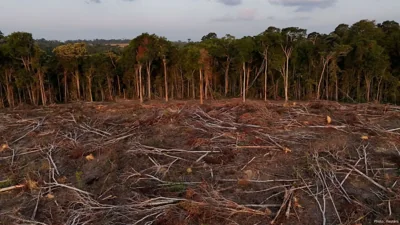
At the same time, ecosystems are collapsing. Wetlands are disappearing. Rivers are drying before they reach the ocean. Aquatic life is dying from pollution and habitat destruction. The loss of biodiversity due to water degradation further undermines the environmental balance that makes sustainable living possible.
In some regions, water scarcity has fueled tensions between nations, particularly in areas where rivers cross borders. As demands increase, shared water resources can become sources of geopolitical friction, especially when upstream and downstream countries have different needs and priorities.
However, water also offers a unique opportunity for cooperation. From the Nile Basin to the Mekong River, there are examples where countries have come together to manage water equitably and sustainably. Water diplomacy, when handled with care and fairness, can be a catalyst for peace and regional stability.
Securing a sustainable water future requires restoring the environmental balance that supports healthy ecosystems. Nature-based solutions are a powerful tool in this effort. Reforestation, wetland restoration, and sustainable agriculture can help protect watersheds, improve water quality, and regulate water flow.
Healthy forests, for example, act as natural water towers—capturing rain, storing it, and releasing it slowly into rivers and aquifers. Wetlands filter pollutants and provide buffers against floods. By protecting these ecosystems, we also protect the water they provide.
Governments, NGOs, and local communities must prioritize conservation, sustainable land use, and investment in green infrastructure to restore nature’s water management capabilities.
This article is intended for informational purposes only. While every effort has been made to ensure accuracy, readers are encouraged to verify facts independently and consult relevant experts or authorities when necessary. This content has been published by DXB news network.





DAE Achieves Remarkable Growth in Q1 2026 With Record Revenue
Dubai Aerospace Enterprise announces impressive financial results for Q1 2026, reflecting a surge in

Price Increase for Sony PS5 in Southeast Asia Effective May 1
Sony announces a price increase for the PS5 across Southeast Asia starting May 1, 2026, impacting ga

Potential ‘Super El Niño’ in 2026: Understanding the Climate Risks
Could a Super El Niño emerge in 2026? Discover its implications and potential global climate impacts

Global Energy Crisis Intensifies: Markets React to Oil Supply Challenges
Markets are on edge as oil disruptions escalate, influencing prices and economic stability. Explore

Must-See Tourist Spots in London You Can't Overlook
Explore London's essential attractions, from royal landmarks to vibrant markets, ensuring an unforge

Ultimate Guide to Snagging Cheap Flights in 2026
Unlock the secrets to booking affordable flights in 2026 with insightful tips and strategies tailore




