Post by : Raina Nasser
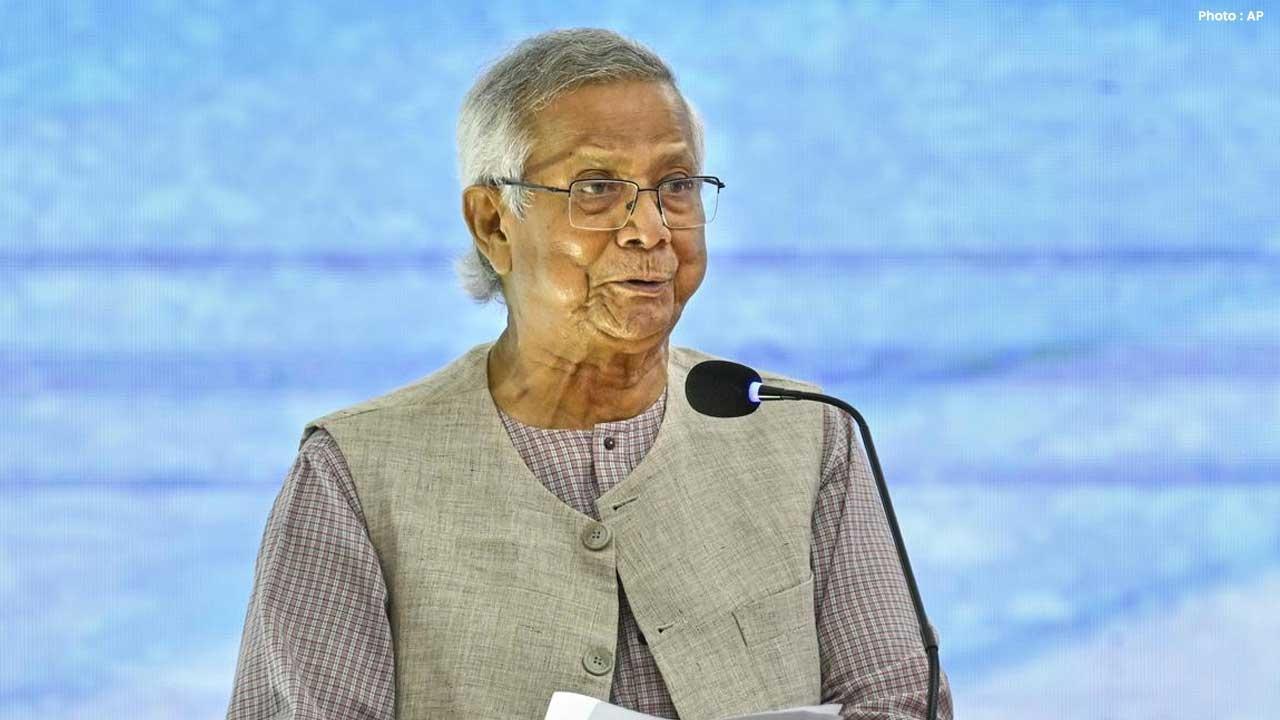
In a significant announcement, Bangladesh will hold a national referendum in February 2026, coinciding with its parliamentary elections, revealed Chief Advisor of the Interim Government Muhammad Yunus on Wednesday. This decision aims to implement essential reforms stipulated in the July National Charter but has ignited political controversy nationwide.
“After thorough consideration, we have resolved to conduct a referendum on the same day as the national elections,” Yunus stated. “This approach will not impede our reform attempts; rather, it will render the election more vibrant and act as a beacon of hope for us. We are taking all necessary steps for the referendum’s successful execution.”
The July National Charter, devised by the National Consensus Commission, puts forth extensive reforms concerning Bangladesh’s constitutional framework, electoral mechanisms, and governance structure. Proposed amendments include establishing a 100-member upper house, augmenting the President's authority, enforcing term limits for the Prime Minister, and boosting the representation of women in Parliament. Moreover, the referendum is set to cover issues related to the election of parliamentary committee chairs from opposition parties, judicial autonomy, and enhanced local governance.
Political reactions are polarized regarding the referendum. Jamaat-E-Islami Bangladesh has historically been a proponent for such a vote, while the Bangladesh Nationalist Party (BNP) contends that significant reforms should only be enacted by an elected government with a democratic mandate. Critics also assert that the referendum may introduce provisions contrary to constitutional norms.
During the referendum, voters will have the opportunity to cast a singular 'Yes' or 'No' vote on the principal reforms laid out by the July Charter, providing citizens a direct voice in influencing the nation’s constitutional and political trajectory. Experts warn that this referendum could profoundly affect the power dynamics within Bangladesh and the role of the interim government in shaping national policy.
This development arises within a backdrop of escalating political strain, as parties examine the legitimacy, extent, and repercussions of the referendum. Analysts predict that this vote may either unify public support for necessary reforms or exacerbate existing political rifts leading up to the national elections.










DAE Achieves Remarkable Growth in Q1 2026 With Record Revenue
Dubai Aerospace Enterprise announces impressive financial results for Q1 2026, reflecting a surge in

Price Increase for Sony PS5 in Southeast Asia Effective May 1
Sony announces a price increase for the PS5 across Southeast Asia starting May 1, 2026, impacting ga

Potential ‘Super El Niño’ in 2026: Understanding the Climate Risks
Could a Super El Niño emerge in 2026? Discover its implications and potential global climate impacts

Global Energy Crisis Intensifies: Markets React to Oil Supply Challenges
Markets are on edge as oil disruptions escalate, influencing prices and economic stability. Explore

Must-See Tourist Spots in London You Can't Overlook
Explore London's essential attractions, from royal landmarks to vibrant markets, ensuring an unforge

Ultimate Guide to Snagging Cheap Flights in 2026
Unlock the secrets to booking affordable flights in 2026 with insightful tips and strategies tailore




