Post by : Saif Nasser
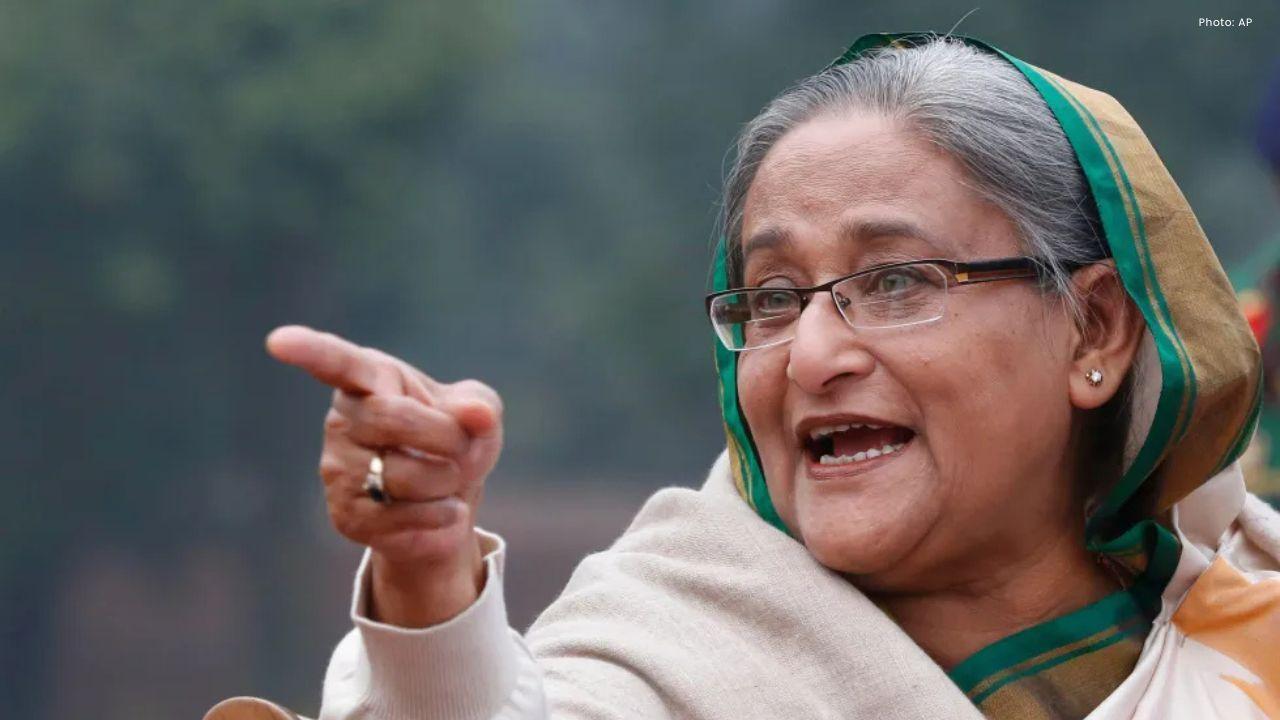
Bangladesh is heading into one of its most important elections in decades, but political tensions are rising as former Prime Minister Sheikh Hasina criticizes the upcoming vote from her exile in India. Hasina, who was removed from power in 2024 following a violent student uprising, says the country faces instability because her party, the Awami League, has been barred from participating.
In a statement sent by email, Hasina warned that excluding a major political party from elections threatens the nation’s stability. She said that when a large group of citizens is denied the right to participate, it deepens resentment, weakens institutions, and creates conditions for future unrest. “A government born of exclusion cannot unite a divided nation,” she wrote.
More than 127 million people are eligible to vote in the February 12 election, which will also include a constitutional referendum on major political reforms. Campaigns have already started, with rallies held in Dhaka and other cities. The interim government, led by Nobel laureate Muhammad Yunus, has promised a free and fair vote. Officials say they will deploy security forces to prevent violence or coercion, and roughly 500 foreign observers are expected to monitor the polls.
Despite these assurances, questions remain. Critics are concerned about security, press freedom, and whether the election will truly be inclusive without Hasina’s party. Human rights groups have reported arbitrary arrests and deaths in custody since her ouster. There are also rising concerns over the influence of Islamist groups and attacks on minority communities, particularly Hindus.
Meanwhile, the Bangladesh Nationalist Party (BNP), led by Tarique Rahman, has emerged as a leading contender. Rahman returned from exile in December and has promised to bring stability to the nation of 170 million people. His main opposition in the February vote is a coalition of 11 allied groups led by the Islamist Jamaat-e-Islami party. This group faced severe restrictions under Hasina, with top leaders jailed or executed for war crimes dating back to Bangladesh’s independence war in 1971.
Hasina, who was sentenced to death in absentia for her role in the 2024 uprising crackdown, dismissed the court’s verdict as unfair. She also called for an end to the cycle of political bans and boycotts that has long plagued Bangladesh. According to her, elections can only help the country heal if all parties are allowed to participate and the government operates with the genuine consent of the people.
Critics of Hasina note that during her 15-year rule, the government often acted in an authoritarian manner, suppressing dissent and limiting political freedoms. Yet, even with these criticisms, her warning underscores the fragile state of Bangladesh’s democracy and the need for inclusive political processes.
As Bangladesh approaches its February election, the nation stands at a crossroads. The choices made now—regarding political participation, security, and fairness—will shape the country’s stability for years to come. Ensuring free and fair elections with broad participation is essential for Bangladesh to heal from past unrest and build a more united future.







7.5 Magnitude Earthquake Strikes Japan, Tsunami Alerts Issued
Japan experiences a hefty 7.5 quake, prompting tsunami alerts and safety measures. Stay updated on a

Reopening of the Strait of Hormuz: New Regulations to Impact Global Trade
Iran reopens the strategic Strait of Hormuz with new regulations affecting oil transport and global

Top 10 Must-See Attractions in NYC for First-Time Explorers
Discover essential experiences for first-time visitors to NYC, including attractions, culture, and i

Starbucks Engages Boyu Capital for Major Chinese Expansion
Starbucks teams up with Boyu Capital, selling a majority stake to boost growth and adapt to the Chin

Three Individuals Charged in Massive Meth Trafficking Case in Malaysia
In Malaysia, a married couple and another suspect are charged with trafficking 510kg of meth, facing