Post by : Anees Nasser
Autonomous systems have moved from experimental concepts to tangible deployments. By 2025, driverless cars, self-piloting trucks and courier drones are operating in many regions, altering how people, goods and services circulate. These technologies offer efficiency gains and safety improvements, but they also introduce complex legal, ethical and technical challenges for policymakers and industry.
At their core, autonomous platforms integrate machine learning, sensor arrays, robotics and control software to undertake tasks previously handled by humans. The expected outcomes range from fewer roadway incidents to a fundamental redesign of last-mile logistics in metropolitan and remote settings alike.
Autonomous passenger vehicles represent the most visible strand of this transformation. In 2025, a number of automakers and technology firms offer cars that can operate with varying degrees of autonomy in constrained environments. These systems rely on LiDAR, radar, optical cameras and AI stacks to negotiate urban and highway situations.
The advantages are notable: reduced human error—the principal factor in traffic collisions—improved fuel or energy efficiency, and expanded mobility for people who cannot drive. Urban pilots have reported smoother traffic flow, lower congestion and a better commute experience for participants.
Still, broad deployment is not without obstacles. Unpredictable road users, diverse weather and thorny ethical choices in accident scenarios demand resilient AI decision frameworks and rigorous regulation. Public authorities and the private sector are working together to define safety benchmarks and test regimes prior to mass rollout.
Automation is also changing freight logistics. Long-haul trucking represents a major share of transport expenditure, and self-driving lorries promise extended operating periods, diminished driver fatigue and improved fuel consumption. Techniques such as platooning—where multiple trucks travel in coordinated formations—are being trialled to boost efficiency and safety.
Connected sensors and predictive analytics support maintenance forecasting and dynamic route planning. Vehicle diagnostics feed AI tools that optimise speed profiles and downtime, cutting operational costs. As these systems scale, they are poised to alter supply-chain economics and consumer pricing.
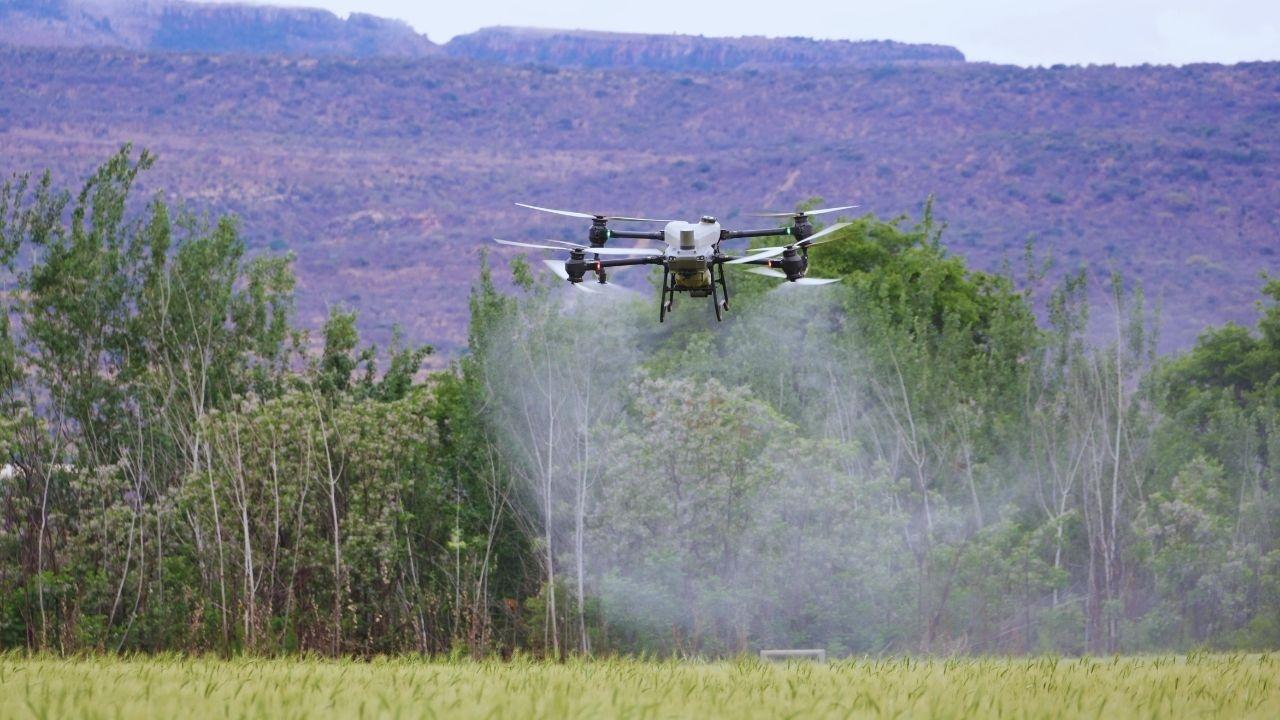
Unmanned aerial vehicles have become an important element of last-mile strategies. By 2025, firms use drones to transport parcels, medical supplies and temperature-sensitive items to consumers and clinics, shortening delivery times and reaching locations that ground vehicles struggle to access.
Progress in navigation, obstacle avoidance and autonomous flight planning has enhanced reliability and safety. Modern drones can reroute in response to meteorological changes, restricted airspace and dynamic obstacles. Some operators are piloting coordinated swarm approaches to complete multiple deliveries concurrently, improving throughput.
Autonomous technologies are central to smart-city ambitions. Driverless vehicles and aerial delivery platforms are being integrated with traffic control systems, intelligent signalling and IoT sensor networks. This interoperability enables real-time traffic management, reduced congestion and safer streets.
Mobility-as-a-service providers increasingly deploy autonomous fleets to align supply with demand. Users can book trips through apps while AI systems allocate vehicles to cut wait times and energy use. Urban planning is beginning to incorporate dedicated lanes, drone landing areas and sensor grids to support these emerging operations.
Autonomous deployments raise urgent ethical and security questions. AIs must handle high-stakes choices—such as collision avoidance and emergency prioritisation—within complex, real-world contexts. Clear liability frameworks and ethical standards are essential for responsible implementation.
Cyber resilience is equally important. Vehicles and drones are exposed to hacking, data leaks and software faults. Operators need strong cybersecurity measures and compliance regimes. Regulators are intensifying focus on certification, systematic testing and operational oversight to safeguard users and infrastructure.
Automation can lessen environmental footprints. Electric autonomous vehicles can follow optimised driving patterns that cut energy use, while aerial delivery can displace some fuel-intensive road trips. Intelligent traffic controls reduce idling and congestion, lowering emissions in dense urban areas.
Nevertheless, production, battery lifecycle and operational energy demand require careful assessment. Sustainable deployment will depend on managing manufacturing emissions, battery recycling and overall energy sourcing.
Widespread automation will transform labour markets. Professions tied to driving and delivery face disruption even as new roles appear in AI governance, maintenance, fleet coordination and systems engineering. Investment in retraining and workforce transition programmes is becoming a priority.
Autonomous systems also open economic prospects—lowered logistics costs, faster fulfilment and novel mobility services. Infrastructure investments that support automation can catalyse innovation and local business growth.
Over the next decade, autonomous platforms are expected to become more interconnected, adaptive and capable of complex judgement. Their integration with city-level AI systems will support planning, environmental monitoring and emergency response.
Successful global adoption will hinge on collaboration among governments, industry and regulators to secure safety, fairness and interoperability. Harmonised standards, cross-border coordination and sustained public engagement will shape the pace and pattern of deployment.
From autonomous cars to delivery drones, automation is remodelling transportation and logistics. The potential benefits—greater efficiency, enhanced safety and broader access—are significant, but realising them requires careful attention to ethics, security and societal impacts.
By 2025 these technologies are part of the operational landscape rather than speculative futures. Guiding their evolution with clear policy, robust standards and an emphasis on equitable outcomes will determine whether automation delivers widespread public value.
This article is provided for informational purposes only and does not constitute professional, legal, or investment advice. Readers should consult appropriate authorities and guidelines on autonomous technology, regulatory compliance, and safety protocols.










Starbucks Engages Boyu Capital for Major Chinese Expansion
Starbucks teams up with Boyu Capital, selling a majority stake to boost growth and adapt to the Chin

Three Individuals Charged in Massive Meth Trafficking Case in Malaysia
In Malaysia, a married couple and another suspect are charged with trafficking 510kg of meth, facing
Singapore Police Revisit Geylang Murder Scene with Suspect
In Geylang, police return a murder suspect to the scene of a crime involving the fatal stabbing of a

Mattel Revives Masters of the Universe Action Figures Ahead of Film Launch
Mattel is reintroducing Masters of the Universe figures in line with its upcoming film, tapping into

China Executes 11 Members of Criminal Clan Linked to Myanmar Scam
China has executed 11 criminals associated with the Ming family, known for major scams and human tra