Post by : Saif Nasser
Australia has taken a major step to protect its people from rising fuel prices by deciding to cut its fuel tax in half for a limited time. The move comes as the world faces a deepening energy crisis, driven by ongoing conflict in the Middle East and disruptions in global oil supply.
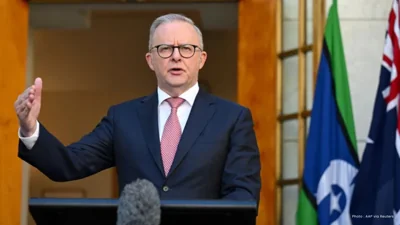
The government, led by Anthony Albanese, announced that the fuel excise will be reduced for three months. This means that the price of petrol and diesel is expected to fall by around 26 cents per litre, offering some relief to households already struggling with high living costs.
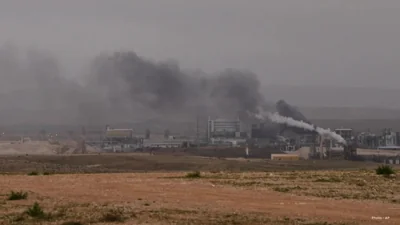
The decision did not come easily. Fuel prices have been rising sharply due to global tensions, especially after supply routes like the Strait of Hormuz were affected. Oil prices have increased significantly, creating pressure on countries that depend on imports.
In Australia, the impact has been serious. Reports have shown that some fuel stations have already run dry, while others are struggling to maintain regular supply. At the same time, families are finding it harder to afford daily travel, and businesses are facing higher transport costs.
By cutting the fuel tax, the government hopes to reduce immediate financial pressure. The plan is expected to cost around A$2.55 billion, showing how serious the situation has become.
However, this step is not just about lowering prices. It is also part of a wider strategy to deal with the crisis. The government has introduced a national fuel security plan, which includes steps like releasing fuel reserves, supporting imports, and working with global partners to keep supplies stable.
While many people have welcomed the move, not everyone agrees with it. Some economists warn that cutting fuel tax may increase demand, which could make shortages worse. Others say it could add pressure to inflation, leading to higher interest rates in the future.
There is also concern about fairness. Critics argue that wealthier households, which use more fuel, may benefit more from the tax cut than lower-income families. They suggest that more targeted support could be a better solution.
Still, for many ordinary people, the relief cannot come soon enough. Rising fuel prices affect almost every part of life, from transportation to food costs. Even a small drop in price can make a difference for families trying to manage their daily expenses.
The government has made it clear that the measure is temporary. It is designed to help during the peak of the crisis, not as a long-term solution. Officials are also urging fuel companies to pass on the full benefit of the tax cut to consumers.
This situation highlights how closely connected the world has become. A conflict in one region can quickly affect fuel prices and economies across the globe. Countries like Australia must balance short-term relief with long-term planning, especially as the world moves toward cleaner energy sources.
At present, Australia’s decision shows a clear effort to respond quickly to a fast-changing crisis. Whether this step will be enough remains to be seen, but it reflects the growing challenge governments face in protecting their people during times of global uncertainty.







Mattel Revives Masters of the Universe Action Figures Ahead of Film Launch
Mattel is reintroducing Masters of the Universe figures in line with its upcoming film, tapping into

China Executes 11 Members of Criminal Clan Linked to Myanmar Scam
China has executed 11 criminals associated with the Ming family, known for major scams and human tra

US Issues Alarm to Iran as Military Forces Deploy in Gulf Region
With a significant military presence in the Gulf, Trump urges Iran to negotiate a nuclear deal or fa

Copper Prices Reach Unprecedented Highs Amid Geopolitical Turmoil
Copper prices soar to all-time highs as geopolitical tensions and a weakening dollar boost investor

New Zealand Secures First Win Against India, Triumph by 50 Runs
New Zealand won the 4th T20I against India by 50 runs in Vizag. Despite Dube's impressive 65, India