Post by : Saif Nasser
The war between the United States, Israel, and Iran has now entered its 31st day, showing no clear signs of ending. What began as a sudden military operation has turned into a long and dangerous conflict, affecting not just the Middle East but the entire world.
The war started on February 28, 2026, when the United States and Israel launched large-scale airstrikes across Iran. These attacks targeted military bases, missile systems, and key leaders. Iran quickly responded with missile and drone attacks on Israel, U.S. bases, and other countries in the region.
Now, more than a month later, the fighting continues with growing intensity. Reports from day 31 show that Israel has carried out fresh strikes, including attacks near Iran’s capital, Tehran. At the same time, Iran continues to launch missiles, although at a reduced rate compared to the early days of the war.
One major development is the heavy damage to Iran’s missile systems. Many launch sites and production centers have been destroyed, which has reduced Iran’s ability to carry out large-scale attacks. However, experts say Iran still has enough capability to continue the fight, showing how difficult it is to fully weaken such a system.
The war is also spreading beyond the main countries involved. Armed groups linked to Iran, such as those in Yemen and Lebanon, have joined the conflict. Missiles have been launched from different regions, increasing the risk of a wider war across the Middle East.
Another serious concern is the possibility of a ground invasion. Iran has accused the United States of planning such a move, while U.S. officials continue to talk about both military action and possible negotiations. This mix of messages has created confusion and added to tensions.
Diplomatic efforts are also underway, but progress remains slow. Pakistan has offered to host talks between the two sides, trying to reduce tensions and find a peaceful solution. However, Iran has so far shown little interest in formal negotiations, making a ceasefire difficult to achieve.
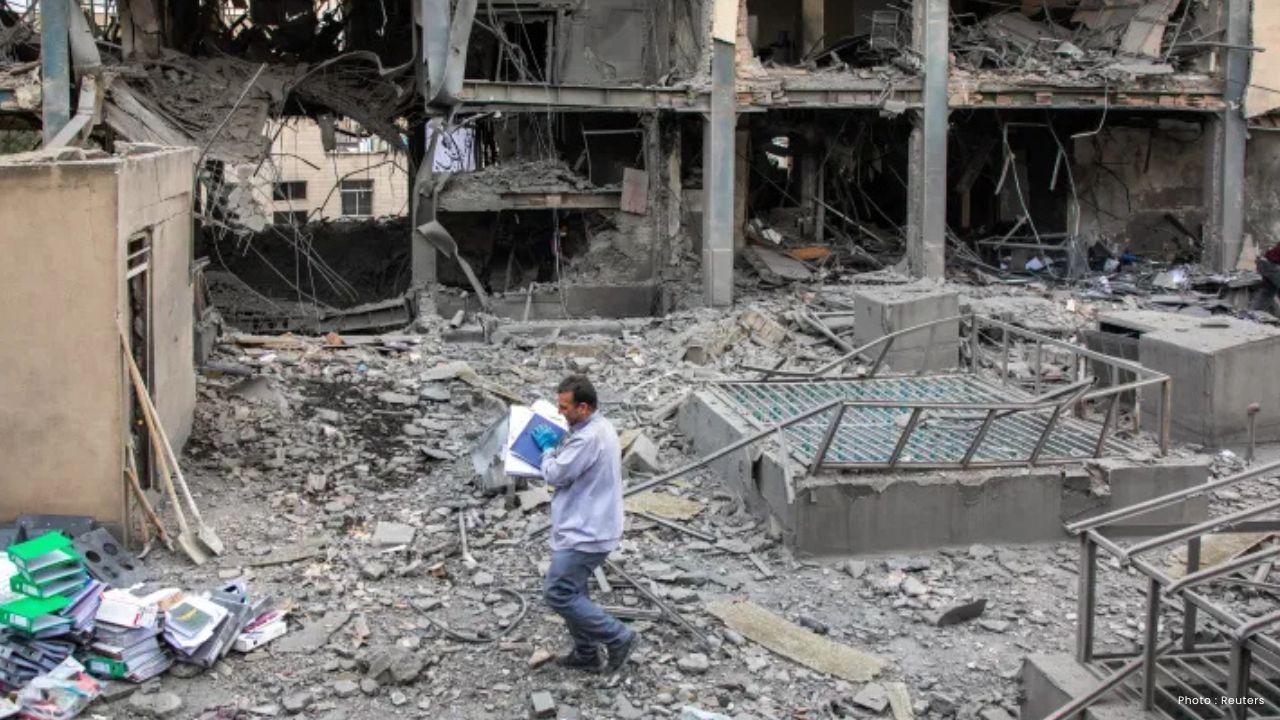
The human cost of the war continues to rise. Thousands of people have been killed or injured, and many more have been forced to leave their homes. Cities in Iran and neighboring regions have suffered damage, while fear and uncertainty have become part of daily life.
The conflict is also affecting the global economy. Important shipping routes like the Strait of Hormuz have been disrupted, causing oil prices to rise sharply. This has increased fuel costs around the world and added pressure on many countries already facing economic challenges.
Air travel, trade, and energy supplies have all been affected. Many flights have been rerouted or cancelled, and businesses are facing delays and higher costs. These effects show how a regional war can quickly become a global problem.
As the war enters its second month, the situation remains highly uncertain. While military actions continue, there is still hope that diplomacy could bring some relief. However, without trust and clear communication, reaching a peaceful solution will be very difficult.
Day 31 of the conflict highlights a harsh reality: modern wars are not limited to one place. They spread across borders, affect millions of lives, and create challenges for the entire world. The coming days will be crucial in deciding whether this conflict moves toward peace or continues to grow even more dangerous.







Meta Unveils Subscription Plans for Instagram, Facebook, and WhatsApp
Meta introduces new subscription plans for users of Instagram, Facebook, and WhatsApp, featuring enh

Suvarna Joy on Education Leadership, Resilience, and Building Purpose Through Adversity in the UAE
Suvarna Joy shares her journey of education leadership, motherhood, faith, and resilience within the

DAE Achieves Remarkable Growth in Q1 2026 With Record Revenue
Dubai Aerospace Enterprise announces impressive financial results for Q1 2026, reflecting a surge in

Starbucks Engages Boyu Capital for Major Chinese Expansion
Starbucks teams up with Boyu Capital, selling a majority stake to boost growth and adapt to the Chin

Three Individuals Charged in Massive Meth Trafficking Case in Malaysia
In Malaysia, a married couple and another suspect are charged with trafficking 510kg of meth, facing