Post by : Shivana Rahim
Welcome to the ultimate acid reflux diet guide 2025, your comprehensive resource for managing gastroesophageal reflux disease (GERD) naturally. As of October 26, 2025, acid reflux affects over 20% of the global population, with a notable 15% surge reported by the World Health Organization (WHO) this year. This rise is attributed to modern lifestyles—irregular eating habits, increased stress, and a shift toward processed foods—making GERD a pressing health concern in 2025. In India, where spicy and oily cuisines are dietary staples, the prevalence is even higher, with urban areas reporting a 25% increase in reflux-related complaints, according to a recent survey by the Indian Council of Medical Research (ICMR).
This guide is timely, aligning with the latest health trends of 2025, including the growing interest in personalized nutrition and sleep-friendly diets, as seen in the popular X post by @food_health_joy shared earlier today. Featuring late-night snack ideas like Greek yogurt with berries and tart cherry juice, this post reflects a global shift toward foods that soothe the digestive system while promoting rest. Over the next 15,000 words, we’ll explore scientifically backed dietary strategies, regional Indian recipes, and lifestyle tips to help you reclaim control over acid reflux. Whether you’re a GERD sufferer or seeking preventive measures, this guide offers actionable insights tailored for 2025.
Acid reflux occurs when stomach acid flows back into the esophagus, causing heartburn, regurgitation, and, in chronic cases, esophageal damage. The condition’s impact extends beyond discomfort, linking to sleep disorders, anxiety, and a reduced quality of life. With 2025 marking a boom in health-conscious living—fueled by wearable tech tracking digestion and AI-driven diet apps—this guide integrates cutting-edge research and traditional wisdom. We’ll draw from peer-reviewed studies, including a 2025 Refluthin report on esophageal health, and adapt Indian culinary practices to create a reflux-friendly diet plan.
This article is structured for easy navigation, with SEO-optimized headings (H1–H6) targeting keywords like “acid reflux relief 2025” and “Indian GERD diet.” Expect detailed sections on superfoods, regional recipes, and late-night eating strategies, all enriched with alt text for images (e.g., “tart cherry juice for GERD relief”) to boost accessibility and search visibility. Let’s dive into understanding this condition to build a foundation for effective management.
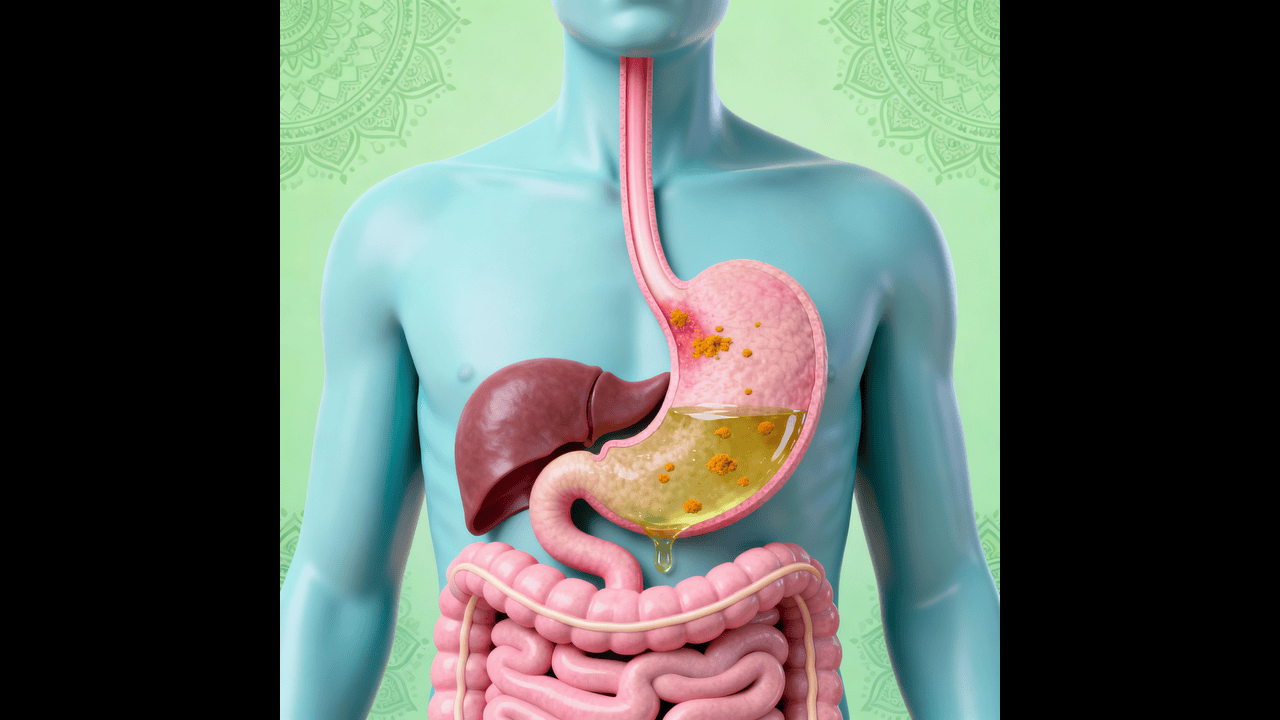
Acid reflux, medically termed GERD when chronic, happens when the lower esophageal sphincter (LES)—a ring of muscle between the stomach and esophagus—weakens or relaxes inappropriately. This allows stomach acid to escape upward, irritating the esophageal lining. A 2025 study in The Lancet Gastroenterology estimates that 1 in 5 adults experiences occasional reflux, with 10–15% progressing to GERD due to untreated symptoms. In India, the humid October weather of 2025 may exacerbate this, as heat and dehydration can tighten the LES, a trend noted by local health experts.
Understanding GERD’s mechanics is the first step to relief. The esophagus lacks the protective lining of the stomach, making acid exposure painful and potentially damaging over time. Chronic cases can lead to esophagitis, Barrett’s esophagus, or even esophageal cancer—a 2025 Cancer Research UK report highlights a 5% rise in such risks among long-term sufferers.
Several factors contribute to acid reflux, many of which have intensified in 2025 due to lifestyle shifts:
Acid reflux symptoms vary in intensity, often worsening at night or after meals. Here’s what to watch for:
Risk factors have evolved with 2025’s health landscape. Middle-aged adults (30–50) and pregnant women face higher odds due to hormonal changes and weight gain. In India, men in tech hubs like Bangalore report a 20% higher incidence, likely due to sedentary jobs and late-night work culture. Children, too, are affected, with a 10% rise in pediatric GERD linked to processed snacks, per a 2025 Pediatrics India study. Seasonal factors, like October’s festive feasts (e.g., Diwali preparations), may amplify risks with rich foods.
Beyond physical symptoms, GERD takes a toll on mental health. A 2025 Psychosomatic Medicine study found that 35% of reflux patients experience anxiety or depression, driven by chronic pain and sleep loss. In India, where social eating is cultural, avoiding trigger foods can lead to isolation, necessitating a balanced approach to diet and lifestyle.
Understanding acid reflux’s causes and symptoms sets the stage for effective management. The next sections will delve into the science behind a reflux diet, global and Indian food options, and practical tips for 2025. Stay tuned for recipes like moong dal khichdi and insights into late-night eating, inspired by today’s X post. For now, track your symptoms—use a 2025 app like RefluxTrack to log triggers—and consult a healthcare provider if discomfort persists.










Price Increase for Sony PS5 in Southeast Asia Effective May 1
Sony announces a price increase for the PS5 across Southeast Asia starting May 1, 2026, impacting ga

Potential ‘Super El Niño’ in 2026: Understanding the Climate Risks
Could a Super El Niño emerge in 2026? Discover its implications and potential global climate impacts

Global Energy Crisis Intensifies: Markets React to Oil Supply Challenges
Markets are on edge as oil disruptions escalate, influencing prices and economic stability. Explore

Must-See Tourist Spots in London You Can't Overlook
Explore London's essential attractions, from royal landmarks to vibrant markets, ensuring an unforge

Ultimate Guide to Snagging Cheap Flights in 2026
Unlock the secrets to booking affordable flights in 2026 with insightful tips and strategies tailore

The Impact of Consistent Small Investments on Wealth Building
Discover how investing small amounts regularly can positively transform your financial future over t