Post by : Mina Rahman
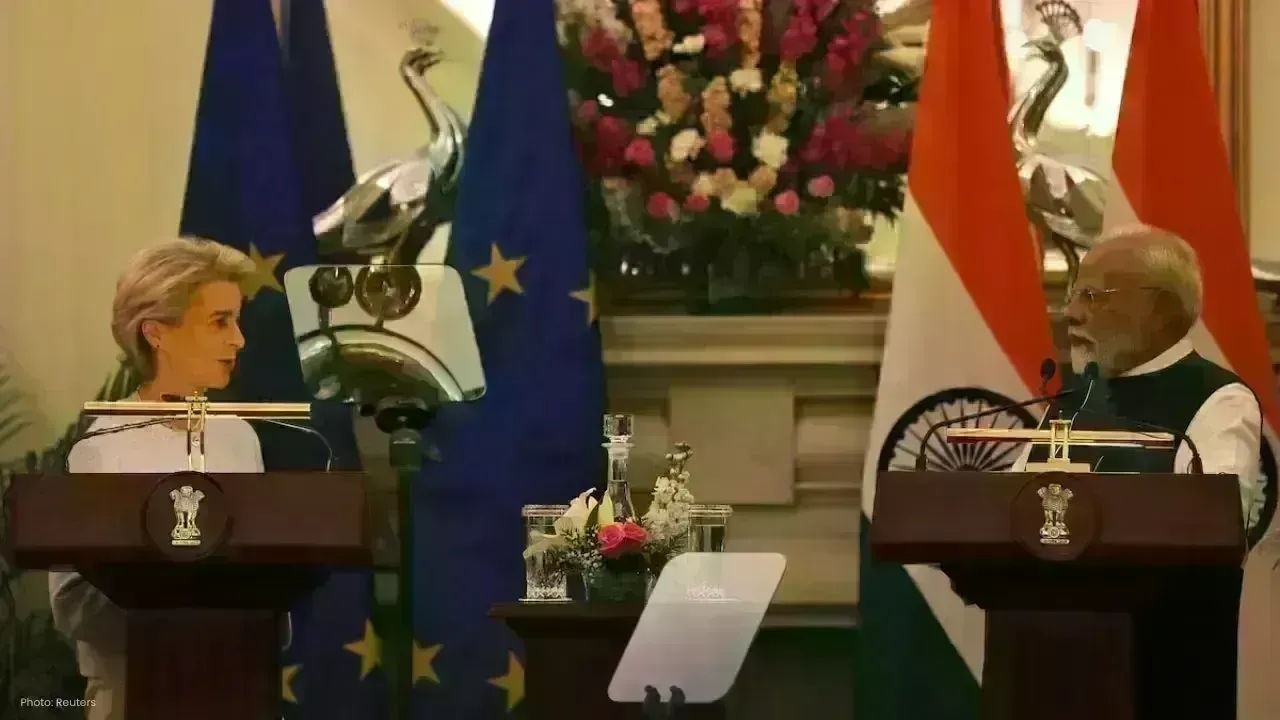
On Monday, European Council President Antonio Luís Santos da Costa and European Commission President Ursula von der Leyen will join India’s Republic Day celebrations as chief guests. While the ceremonial events are highlighted, the primary focus is on bolstering trade relations between India and the European Union during a period marked by global trade uncertainties.
In addition to state banquets and official encounters, discussions aimed at advancing the long-delayed India-EU Free Trade Agreement (FTA) are anticipated. These talks are intensifying, as both Europe and India aspire for stronger collaborations beyond traditional alliances, particularly following recent tariff disputes and differing trade approaches with the United States.
The attendance of top EU leaders at India’s national celebration is perceived as a significant gesture, underscoring India’s ambition to maintain a diversified foreign policy while enhancing economic ties with various global partners.
This initiative comes during ongoing trade tensions with the US, particularly surrounding a persistent 50% tariff dispute. According to reports, a significant milestone might be reached by 27 January, when leaders are expected to convene at a high-level summit, with the proposed agreement deemed the “mother of all deals” by prominent figures on both sides of the table.
With nearly two decades of negotiations hampered by differences in market access and regulations, the latest developments suggest a potential breakthrough is within reach.
Should it be finalized, the India-EU pact would represent India’s ninth FTA over the past four years. India has successfully negotiated trade agreements with other nations such as the UK, Oman, and New Zealand, as part of its broader strategy to diversify its trading relationships.
For the European Union, sealing this agreement would build upon its recent trade advancements with global partners, including agreements with Japan, South Korea, and Vietnam.
EU officials regard India as a burgeoning global economic powerhouse, now the fourth-largest economy and one of the fastest-growing major economies. This year, India is projected to surpass $4 trillion in GDP, positioning it ahead of Japan.
The prospect of deeper collaboration with India could unlock a vast market of two billion consumers, equating to nearly a quarter of the global economic landscape, strengthening India's position as a critical long-term associate for Europe.
For India, the EU stands as its foremost trading bloc, and a trade agreement could enhance its exports to European nations. Recent data indicates India exported approximately $76 billion worth of goods to the EU, while imports totaled about $61 billion, yielding a trade surplus for India.
One significant benefit would be restoring market access following the withdrawal of the EU’s Generalised System of Preferences (GSP) in 2023, which weakened the competitiveness of numerous Indian exports in Europe.
An FTA would potentially lower tariffs on crucial export categories like garments, pharmaceuticals, steel, and machinery. This would also assist Indian enterprises in navigating challenges stemming from heightened tariffs and disruptions in other key markets.
India is anticipated to safeguard politically sensitive sectors such as agriculture during discussions, with stepwise tariff reductions planned in areas including automobiles and spirits, in a manner reminiscent of past negotiations with the UK.
This phased approach enables India to progress on significant deals while postponing the more contentious issues, thereby addressing domestic concerns effectively.
Despite notable advancement, several obstacles remain. The EU seeks enhanced protections concerning intellectual property and data governance, alongside stricter patent laws.
For India, a critical point of contention is the EU’s newly introduced Carbon Border Adjustment Mechanism (CBAM), which could impose additional costs on Indian exports, posing challenges particularly for micro, small, and medium enterprises due to added compliance demands.
Even with unresolved matters, many experts are optimistic that the India-EU agreement could evolve into a robust long-term partnership, helping both parties mitigate sudden tariff shocks and supply chain disruptions amid shifting global trade dynamics.
Concerns regarding India’s carbon emissions and human rights may spark debate within the EU parliament, which is essential for the deal's implementation.
Nonetheless, analysts suggest that India's reduction in Russian crude oil imports could facilitate greater acceptance of the deal within EU circles.
The agreement is gaining traction as both sides recognize the necessity for stable trade partnerships amidst rising geopolitical instability. With global trade increasingly shaped by political factors, India and Europe appear poised to make significant strides toward a strengthened economic alliance.
Once finalized, this agreement has the potential to become a landmark trade deal for India and a strategic asset for Europe as it seeks reliable partners across Asia.



Mattel Revives Masters of the Universe Action Figures Ahead of Film Launch
Mattel is reintroducing Masters of the Universe figures in line with its upcoming film, tapping into

China Executes 11 Members of Criminal Clan Linked to Myanmar Scam
China has executed 11 criminals associated with the Ming family, known for major scams and human tra

US Issues Alarm to Iran as Military Forces Deploy in Gulf Region
With a significant military presence in the Gulf, Trump urges Iran to negotiate a nuclear deal or fa
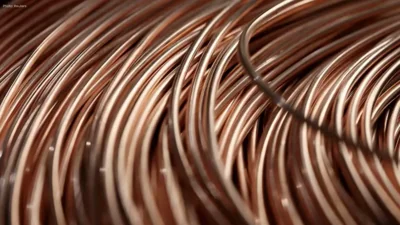
Copper Prices Reach Unprecedented Highs Amid Geopolitical Turmoil
Copper prices soar to all-time highs as geopolitical tensions and a weakening dollar boost investor
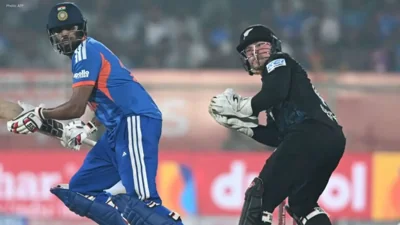
New Zealand Secures First Win Against India, Triumph by 50 Runs
New Zealand won the 4th T20I against India by 50 runs in Vizag. Despite Dube's impressive 65, India