Post by : Bianca Suleiman
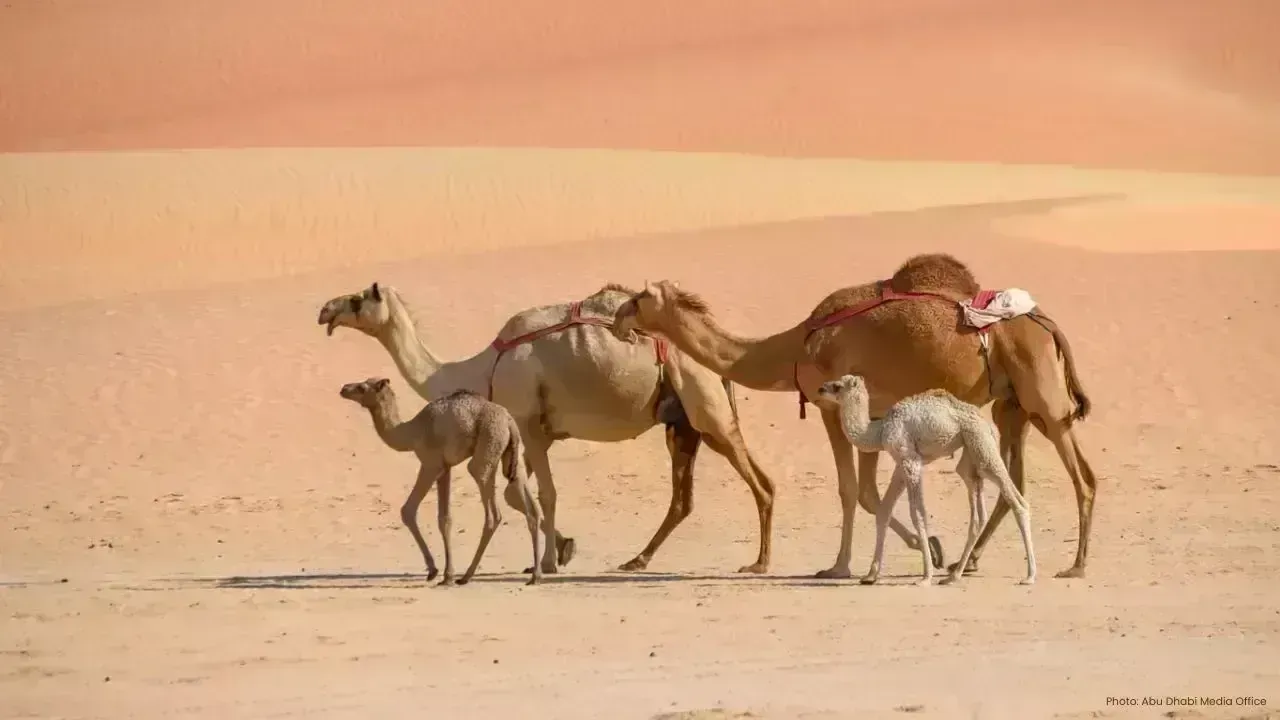
The Abu Dhabi Agriculture and Food Safety Authority (ADAFSA) has successfully hosted a regional workshop aimed at facilitating the temporary movement of camels across Gulf borders. The focus remains on upholding strict animal health, biosecurity, and welfare standards.
Jointly organized by the Camel Middle East Network (CAMENET), the UAE Camel Racing Federation, and the World Organisation for Animal Health (WOAH), this workshop is part of broader efforts to modernize and harmonize procedures related to camel participation in competitions, festivals, and cultural events throughout the Gulf region.
The event saw participation from senior officials and experts from the Ministry of Climate Change and Environment (MOCCAE), ADAFSA, the CAMENET Steering Committee, the Food and Agriculture Organization (FAO), and WOAH, alongside representatives of national and international camel racing federations and clubs.
Innovative initiatives were showcased, aimed at easing camel movement while maintaining high standards of animal health. Notably, M42 Environmental Sciences presented the Smart Gateway initiative, which proposes a digital platform for tracking that reduces processing time, optimizes resource use, and facilitates accurate, sustainable data sharing among authorities.
Additionally, MOCCAE introduced the Green Route initiative, recommending a dedicated pathway for camels in regional events to improve coordination and expedite procedures. Concurrently, WOAH proposed unified regional health certificates designed to accelerate cross-border travel while ensuring rigorous veterinary and biosecurity standards within a harmonized framework.
Participants widely recognized the significance of these initiatives in bolstering camel sports and cultural engagements while strengthening regional health safeguards.
Alongside the workshop, the 8th Technical and Steering Committee Meeting of CAMENET convened as part of Global Food Week 2025, reviewing the network’s Five-Year Work Plan (2026–2030) focused on five key pillars: animal welfare, camel diseases and diagnostics, risk assessment, research initiatives, and the One Health approach.
Member nations provided insights into their camel sectors, addressing herd demographics, prevalent challenges, and exploring collaboration opportunities in veterinary health, knowledge sharing, and capacity building.
In closing, participants highlighted CAMENET’s crucial role in advancing the camel sector across the Middle East, bridging knowledge gaps in camel health and husbandry, and reinforcing regional biosecurity systems.
Asma Abdi Mohamed, Director of Biosecurity Affairs at ADAFSA, emphasized Abu Dhabi’s role as a regional center for animal health and biosecurity. She reiterated ADAFSA's commitment to translating discussions into actionable programs that strengthen veterinary frameworks, enhance preparedness against transboundary diseases, and foster the sustainable development of the camel sector—a cornerstone of the region's cultural and economic fabric.










Mattel Revives Masters of the Universe Action Figures Ahead of Film Launch
Mattel is reintroducing Masters of the Universe figures in line with its upcoming film, tapping into

China Executes 11 Members of Criminal Clan Linked to Myanmar Scam
China has executed 11 criminals associated with the Ming family, known for major scams and human tra

US Issues Alarm to Iran as Military Forces Deploy in Gulf Region
With a significant military presence in the Gulf, Trump urges Iran to negotiate a nuclear deal or fa

Copper Prices Reach Unprecedented Highs Amid Geopolitical Turmoil
Copper prices soar to all-time highs as geopolitical tensions and a weakening dollar boost investor

New Zealand Secures First Win Against India, Triumph by 50 Runs
New Zealand won the 4th T20I against India by 50 runs in Vizag. Despite Dube's impressive 65, India