Post by : Raina Nasser
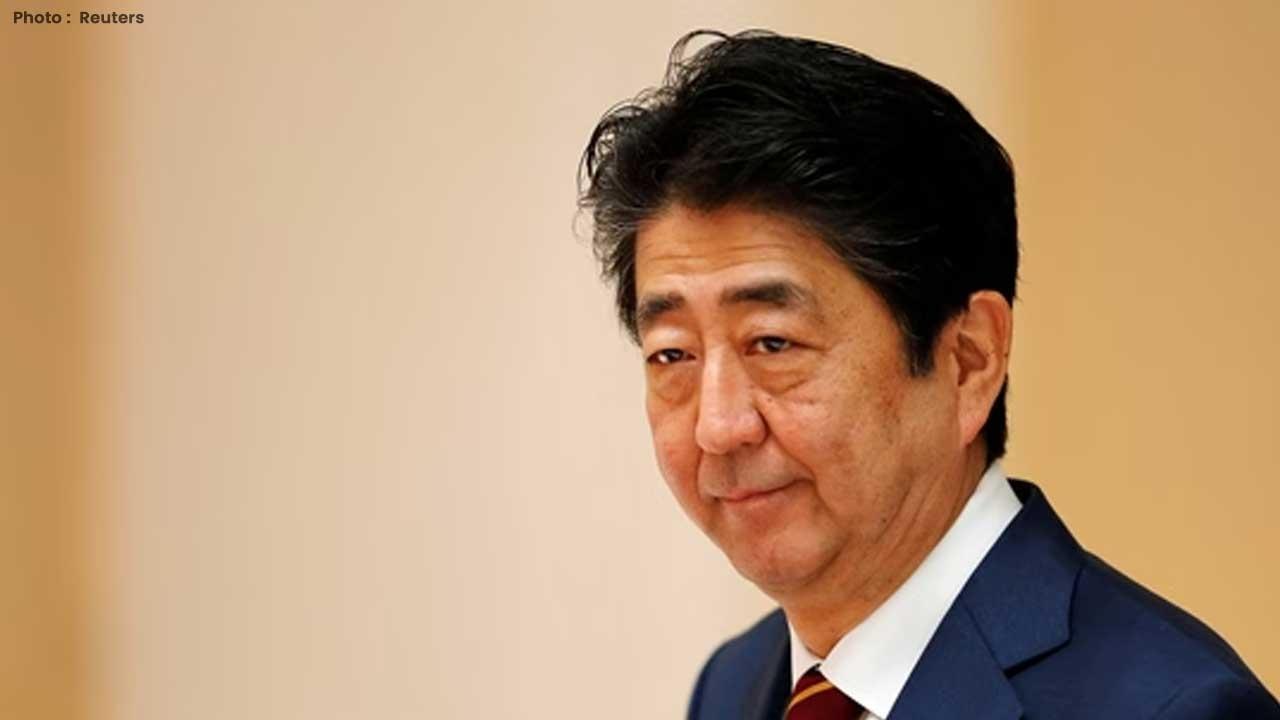
The defendant accused of killing former Prime Minister Shinzo Abe has appeared in court in Nara, inaugurating a high-profile trial that has captured both domestic and international attention. Proceedings open at a sensitive moment for Japan, coinciding with a diplomatic meeting involving Prime Minister Sanae Takaichi and visiting U.S. President Donald Trump — two figures closely associated with Abe.
Prosecutors say 45-year-old Tetsuya Yamagami was arrested shortly after the fatal shooting during a campaign event in Nara City, where the alleged improvised firearm was used. The attack stunned a nation noted for strict gun laws and low violent crime, and the trial is expected to probe the motive as well as the wider social implications of the killing.
Investigators report that Yamagami harbored deep resentment toward the Unification Church, blaming the organization for his family’s financial collapse after his mother’s extensive donations. Sources indicate nearly 100 million yen (around $660,000) in contributions that left the family struggling — a grievance Yamagami purportedly linked to Abe because of the late leader’s public support for the group.
Founded in South Korea in 1954, the Unification Church is known for its mass ceremonies and global network. In the aftermath of Abe’s death, disclosures showed that more than a hundred lawmakers from the ruling Liberal Democratic Party had affiliations with the group, prompting public anger and eroding political confidence. Prime Minister Takaichi faces pressure to address these ties while preserving party cohesion.
Court sessions began at the Nara District Court at 2 p.m. (0500 GMT), with the schedule listing 17 further hearings through year-end and a verdict eyed for January 21. Authorities say Yamagami plans to admit the killing itself but may dispute elements of the charges under Japan’s Firearms and Swords Control Act, a legal strategy experts say could shape future handling of politically motivated violence.
The case continues to stir strong emotions across Japan. Many view the assassination as an assault on democratic norms and the country’s peaceful image; others express complex reactions that mix empathy for the defendant’s personal hardships with condemnation of the violent act. Observers expect the verdict to influence security policy, political accountability, and church-state scrutiny.
As global leaders, including Donald Trump, pay homage to Abe’s legacy, Japan confronts broader questions about its political culture and institutional resilience. The trial is therefore being watched not only as a legal determination but as a measure of Japan’s ability to reconcile grief, accountability, and reform.









Mattel Revives Masters of the Universe Action Figures Ahead of Film Launch
Mattel is reintroducing Masters of the Universe figures in line with its upcoming film, tapping into

China Executes 11 Members of Criminal Clan Linked to Myanmar Scam
China has executed 11 criminals associated with the Ming family, known for major scams and human tra

US Issues Alarm to Iran as Military Forces Deploy in Gulf Region
With a significant military presence in the Gulf, Trump urges Iran to negotiate a nuclear deal or fa

Copper Prices Reach Unprecedented Highs Amid Geopolitical Turmoil
Copper prices soar to all-time highs as geopolitical tensions and a weakening dollar boost investor

New Zealand Secures First Win Against India, Triumph by 50 Runs
New Zealand won the 4th T20I against India by 50 runs in Vizag. Despite Dube's impressive 65, India