Post by : Abhinav Rana
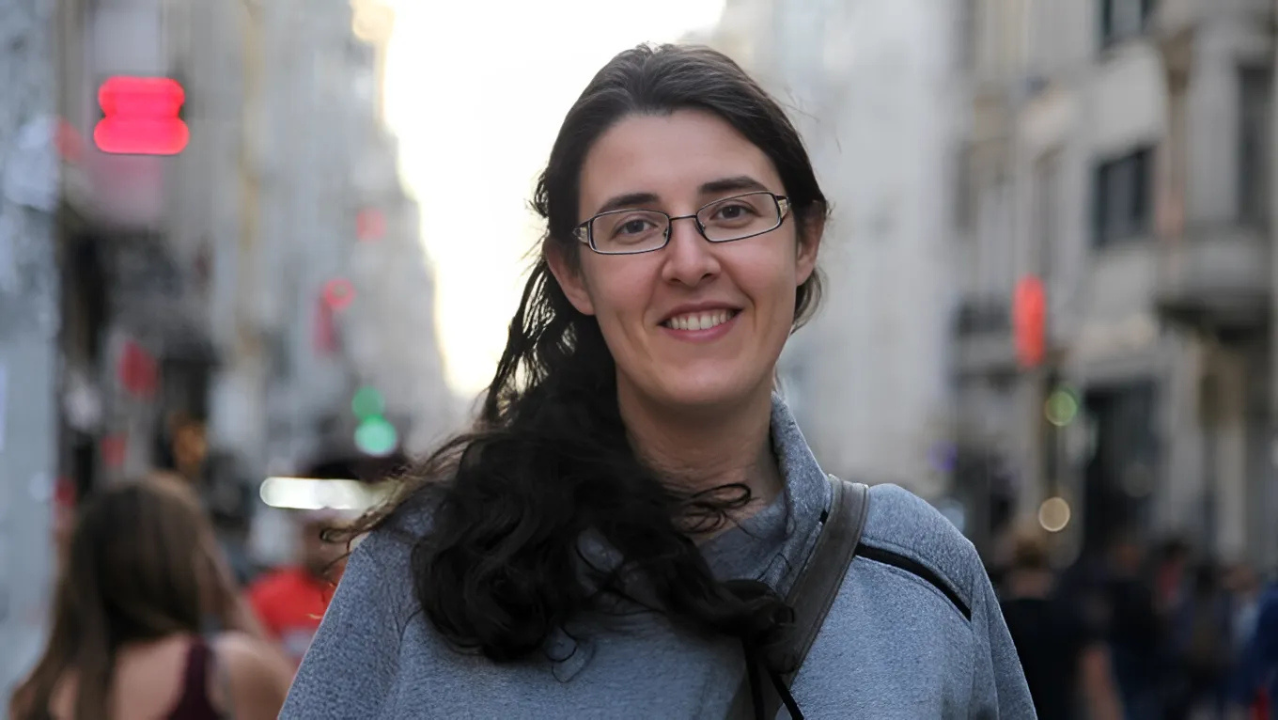
Elizabeth Tsurkov, an Israeli-Russian researcher, has been rescued after being held and tortured by an Iraqi militia for many months. U.S. President Donald Trump announced the good news on social media, saying that she is now safe and staying at the American embassy in Iraq.
Her release has brought relief to her family and friends after a long period of worry and uncertainty. Elizabeth’s work and dedication to studying conflicts in the Middle East made her a target, but thanks to the efforts of Iraqi security forces and diplomatic support from the U.S., she has finally returned to safety.
Elizabeth Tsurkov is a researcher and student at Princeton University in the United States. She has both Israeli and Russian citizenship. Her sister is an American citizen, which helped bring attention to her case.
Her research focuses on the Levant, a region in the Middle East that includes countries like Israel, Syria, Lebanon, and others. She studies topics such as the Syrian uprising and civil war, which have caused great suffering in the region.
Elizabeth entered Iraq in March 2023 using her Russian passport to conduct field research. During this trip, she was abducted by Kataib Hezbollah, a powerful Iraqi Shia militia group that is supported by Iran.
According to officials, Elizabeth was taken by Kataib Hezbollah in Iraq and kept in captivity for several months. She was reportedly tortured during this time, which caused a great deal of distress to her and her family.
Israeli Prime Minister Benjamin Netanyahu later confirmed that she was being held by the Iran-backed group, which the United States had labeled a terrorist organization in 2009. Kataib Hezbollah is known for its strong military and financial support from Iran.
The Iraqi government, with help from its security services, worked hard over many months to locate where Elizabeth was being kept. Prime Minister Mohammed Shia al-Sudani announced that they successfully uncovered the location and handed her over to the American embassy.
On Tuesday, Prime Minister Sudani confirmed the rescue and said it was the result of “extensive efforts exerted by our security services over the course of many months.” He explained that they found her hiding place and ensured her safe handover to the American authorities.
President Trump also shared the news with the public, saying that she had been released by Kataib Hezbollah and was now “safely in the American embassy in Iraq.” He expressed happiness at her release and support for justice, adding that the United States would always fight for the rights of its citizens and allies.
In the same post, Trump also urged the Palestinian group Hamas to release its hostages, calling for an end to violence in the region.
Elizabeth’s research took her deep into conflict zones. Studying war and uprisings is not easy, and it can be dangerous for people working in those areas. Her mission to understand and report on life in regions affected by violence made her vulnerable.
The group holding her, Kataib Hezbollah, has been involved in violent conflicts and is closely connected to Iran. Its actions are driven by political and military interests, and foreign researchers are sometimes seen as threats or tools in such conflicts.
Iraq’s government took responsibility for helping free Elizabeth and praised the efforts of its security forces. The U.S. government, led by President Trump, also played a role in securing her safe return. Diplomatic cooperation between the two countries helped bring this case to a successful conclusion.
Iraq has been cooperating with the United States in various areas, including military operations and peace negotiations. Hosting the U.S. embassy and working on joint security matters has strengthened ties between the two nations.
Trump’s public support and diplomatic actions highlight the importance of protecting citizens and researchers working abroad, especially in conflict zones.
Elizabeth’s case reminds us that studying war zones is a brave but dangerous job. Researchers often travel to areas affected by violence to gather information and help the world understand complex issues.
Unfortunately, groups like Kataib Hezbollah, which are supported by other nations, use violence to spread fear. Their actions harm not only civilians but also people trying to help through education and research.
The rescue of Elizabeth shows that countries must work together to protect people’s rights and ensure the safety of those working in dangerous regions.
Elizabeth is now safe at the U.S. embassy, where she can recover from her ordeal. Doctors and experts will likely help her physically and emotionally as she heals from the months of captivity and torture.
Her family, friends, and fellow students are relieved by the news. The case has attracted attention from governments around the world, emphasizing the need to protect researchers and promote peace in regions of conflict.
Elizabeth Tsurkov’s rescue is a powerful reminder of the dangers faced by those who work in war zones. Thanks to the efforts of Iraq’s security forces and support from the U.S. government, she is now safe and surrounded by people ready to help her heal.
Her courage in pursuing knowledge and understanding despite the risks is an inspiration. At the same time, the rescue highlights the importance of international cooperation and standing up against groups that use violence to silence others.
As Elizabeth begins her road to recovery, her story will continue to inspire researchers, humanitarians, and world leaders alike to work for peace, safety, and justice.




Anticipated Dates for UAE Eid Al Adha 2026 Unveiled by Astronomical Experts
Experts predict Eid Al Adha 2026 in the UAE to start on May 27, prompting early holiday planning amo

DAE Achieves Remarkable Growth in Q1 2026 With Record Revenue
Dubai Aerospace Enterprise announces impressive financial results for Q1 2026, reflecting a surge in

Price Increase for Sony PS5 in Southeast Asia Effective May 1
Sony announces a price increase for the PS5 across Southeast Asia starting May 1, 2026, impacting ga

Potential ‘Super El Niño’ in 2026: Understanding the Climate Risks
Could a Super El Niño emerge in 2026? Discover its implications and potential global climate impacts

Global Energy Crisis Intensifies: Markets React to Oil Supply Challenges
Markets are on edge as oil disruptions escalate, influencing prices and economic stability. Explore

Must-See Tourist Spots in London You Can't Overlook
Explore London's essential attractions, from royal landmarks to vibrant markets, ensuring an unforge




