Post by : Mikhael Nasser
High sodium levels pose a significant health threat, particularly for individuals who consume processed meals and salty snacks. Excessive sodium intake can cause the body to retain water, placing additional stress on the heart and boosting blood pressure, which may lead to severe health complications like heart disease and kidney issues in the long run.
Fortunately, it's possible to manage sodium levels through dietary choices rather than just medication. Certain foods are known to aid in reducing sodium in the body, enhancing kidney function, balancing electrolytes, and promoting the excretion of excess salt via urine. Incorporating these foods into your diet can lead to improved cardiovascular and kidney health.
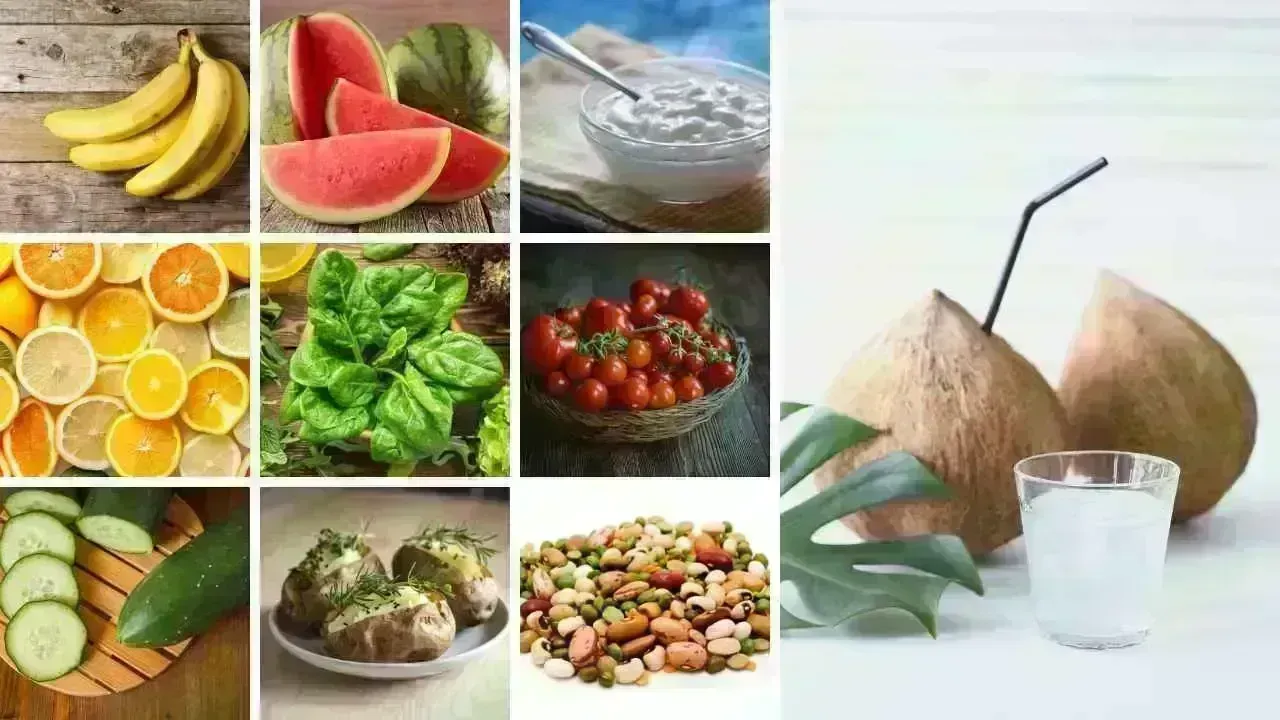
Here's a look at 10 foods to consider for lowering sodium levels.
Bananas, high in potassium, help balance sodium levels in the body. They aid in lowering blood pressure and minimizing water retention.
How bananas contribute:
Reduce water retention
Enhance kidney function
Dilation of blood vessels
Consuming a banana daily can aid in maintaining the sodium-potassium equilibrium, facilitating the removal of excess sodium.
Fruits like oranges, grapefruits, and lemons are laden with potassium and have high water content, making them effective in washing away surplus sodium.
Benefits include:
Aid in salt excretion
Naturally balance electrolytes
Support heart health with vitamin C
Integrate fresh citrus fruits into your routine to maintain healthy sodium levels.
With their high water composition, cucumbers are prime for managing sodium levels. They also function as a natural diuretic, aiding in the expulsion of excess salt.
What cucumbers do:
Serve as a natural diuretic
Alleviate bloating
Promote hydration
Add cucumbers to salads or snacks to lower sodium naturally.
Hydrating and supportive of kidney health, watermelon helps expel additional sodium due to its high water content and natural electrolytes.
Main advantages of watermelon:
Contains water and beneficial electrolytes
Can lower blood pressure
Helps cleanse the kidneys
Savor fresh watermelon throughout the day for hydration and sodium equilibrium.
Greens like spinach and kale are rich in potassium and magnesium, essential for flushing sodium and regulating fluid levels.
Why greens are effective:
Enhance circulation
Bolster renal health
Regulate bodily fluids
Add greens to your diet in salads or smoothies to support sodium reduction.
Packed with potassium, potatoes can be useful for balancing sodium. It’s advisable to avoid processed versions high in sodium.
Potatoes offer:
Help balance sodium
Assist in reducing water retention
Provide energy without excess salt
Opt for boiled or baked potatoes as a potassium-rich option.
Yogurt contains potassium and calcium that promote kidney health while balancing electrolytes, counteracting the impacts of high-sodium diets.
How yogurt assists:
Regulates electrolytes
Supports kidney function
Mitigates high-sodium meal effects
Opt for plain yogurt to reap the benefits without added sugars or salt.
Coconut water is laden with electrolytes, making it a beneficial choice for maintaining sodium balance while promoting hydration.
Advantages include:
Electrolyte richness
Facilitates sodium removal
Helps prevent muscle cramps
A daily glass helps hydrate and support healthy sodium levels.
Rich in water and antioxidants, tomatoes can effectively lower sodium levels while supporting healthy blood pressure.
Why tomatoes are advantageous:
Aid in eliminating toxins
Reduce swelling and bloating
Support blood pressure health
Incorporate fresh tomatoes or juice into meals for natural sodium management.
Beans and lentils are rich in potassium and fiber, essential for managing sodium absorption and supporting heart health.
Benefits include:
Contribute to heart health
Enhance digestion
Aid in balancing sodium levels
Incorporate beans and lentils into your diet for sodium management.
Maintaining a healthy sodium balance is crucial because:
High sodium levels elevate blood pressure
Heart workload increases
Kidneys face greater strain
Swelling may occur in extremities
Even minor dietary adjustments can significantly impact long-term health.
In addition to dietary choices, experts suggest:
Staying adequately hydrated
Limiting packaged food intake
Cooking at home with less salt
Using herbs instead of salt
Checking labels for sodium content
Implementing these lifestyle changes can significantly benefit your heart and kidney health over time.
Elevated sodium levels are a pressing health issue, but simple adjustments can help restore balance. Incorporating foods like bananas, citrus, cucumbers, and more can help your body naturally eliminate excess sodium while promoting heart and kidney health.
Disclaimer:
This article is for informational purposes and should not substitute for professional medical advice. Consult a healthcare provider for tailored recommendations regarding sodium levels, heart disease, or kidney health.










Anticipated Dates for UAE Eid Al Adha 2026 Unveiled by Astronomical Experts
Experts predict Eid Al Adha 2026 in the UAE to start on May 27, prompting early holiday planning amo

DAE Achieves Remarkable Growth in Q1 2026 With Record Revenue
Dubai Aerospace Enterprise announces impressive financial results for Q1 2026, reflecting a surge in

Price Increase for Sony PS5 in Southeast Asia Effective May 1
Sony announces a price increase for the PS5 across Southeast Asia starting May 1, 2026, impacting ga

Potential ‘Super El Niño’ in 2026: Understanding the Climate Risks
Could a Super El Niño emerge in 2026? Discover its implications and potential global climate impacts

Global Energy Crisis Intensifies: Markets React to Oil Supply Challenges
Markets are on edge as oil disruptions escalate, influencing prices and economic stability. Explore

Must-See Tourist Spots in London You Can't Overlook
Explore London's essential attractions, from royal landmarks to vibrant markets, ensuring an unforge




