Post by : Saif Nasser
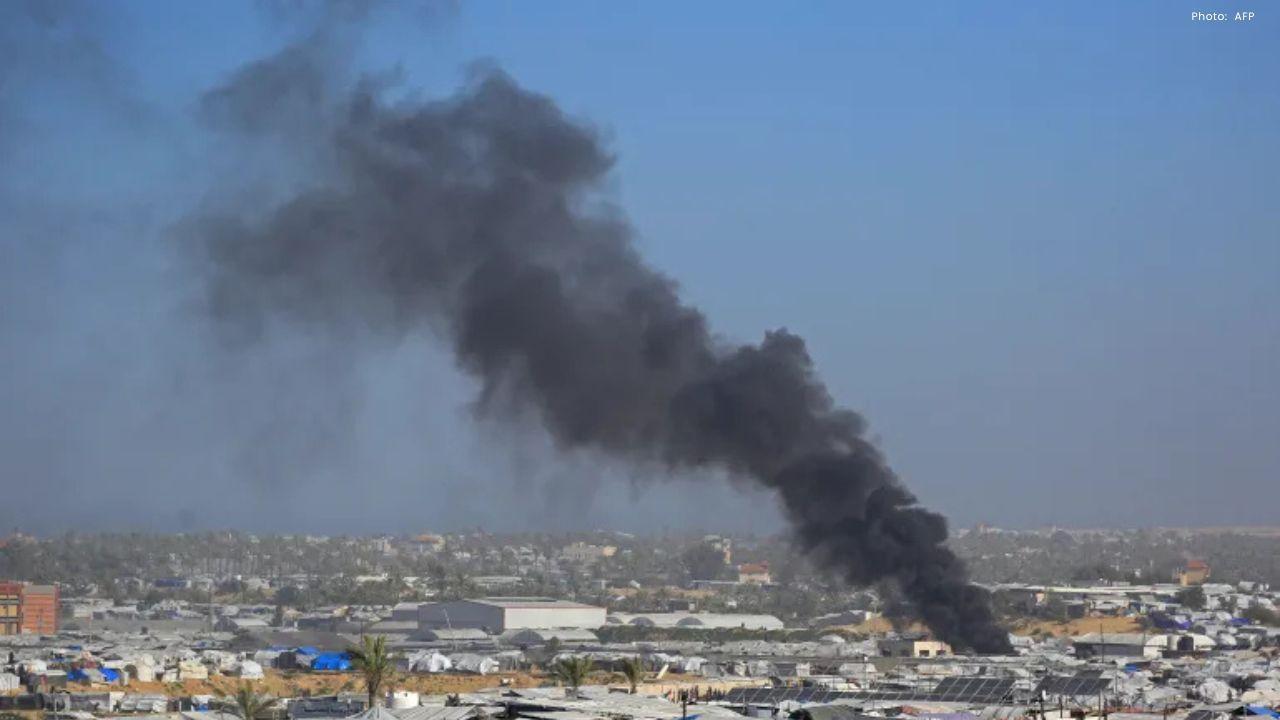
A new international effort led by the United States is set to take a major step as leaders prepare to meet in Washington to discuss peace and rebuilding plans for Gaza. The meeting, planned for February 19, will bring together selected countries and officials under a newly created body called the Board of Peace. The goal is to support the Gaza ceasefire, raise reconstruction funds, and guide future stability efforts in the region.
The idea of this board was introduced by U.S. President Donald Trump earlier this year. According to U.S. officials, the board is meant to act as a fast decision-making group that can move quicker than older global institutions. It is designed to coordinate recovery work in Gaza and also help manage other global conflicts in the future.
The Washington gathering is expected to focus on two main areas. First, it will review the current ceasefire situation in Gaza, which remains fragile and has seen repeated violations. Second, it will work on building a financial and administrative roadmap for reconstruction. Gaza has suffered massive damage to homes, roads, hospitals, and utilities after long periods of conflict. Rebuilding will require large investments and long-term planning.
The timing of the meeting is also important. It comes just one day after a planned White House meeting between the U.S. president and Israel’s prime minister. That back-to-back diplomacy suggests the U.S. wants tight coordination between political talks and reconstruction planning.
However, the Board of Peace has not received universal support. Some countries, especially a few in the Middle East, have shown interest in joining. But several traditional Western allies are staying cautious. They want more clarity about how the board will operate, who will make decisions, and how it will work alongside existing global bodies.
One major criticism is about representation. Many rights experts and policy observers say the board lacks direct Palestinian leadership. Since Gaza’s future is central to the discussion, critics argue that any recovery or governance plan must include Palestinian voices at the top table. Without that, they warn, trust and local support may remain weak.
There are also concerns that the board could reduce the role of long-standing international organizations that already handle conflict resolution and humanitarian work. Some experts fear that creating a new structure may cause overlap, confusion, or political competition instead of cooperation.
Supporters of the board respond that new problems sometimes need new tools. They say traditional systems have often been too slow or divided to act effectively in urgent crises. In their view, a smaller and more focused leadership group could move faster, approve funds quickly, and push projects forward without long delays.
Another key issue is funding. Gaza’s reconstruction will cost billions of dollars. Donor fatigue is already a problem after years of repeated conflicts and rebuilding cycles. The Washington meeting is expected to encourage financial pledges and shared responsibility among partner countries. Whether those promises turn into real, long-term support will be a true test of the board’s strength.
The ceasefire itself remains under strain. Reports of clashes and casualties since the truce began show how unstable the ground situation is. Peace efforts that focus only on buildings and roads, without solving deeper political disputes, may not last. That is why many analysts say reconstruction and political dialogue must move together.
The upcoming meeting will therefore be more than a simple conference. It will be an early measure of how serious and practical this new peace structure can be. If it produces clear plans, fair participation, and real funding, it may gain wider acceptance. If it appears one-sided or unclear, resistance will likely grow.
The people of Gaza, who have faced years of hardship, will ultimately judge success not by meetings or statements, but by real change on the ground — safer streets, working hospitals, open schools, and steady supplies of food and power.







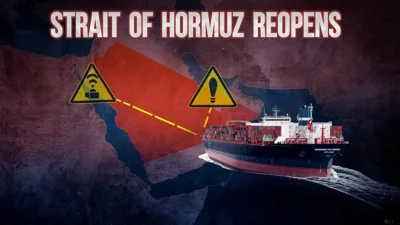
Reopening of the Strait of Hormuz: New Regulations to Impact Global Trade
Iran reopens the strategic Strait of Hormuz with new regulations affecting oil transport and global

Top 10 Must-See Attractions in NYC for First-Time Explorers
Discover essential experiences for first-time visitors to NYC, including attractions, culture, and i

Starbucks Engages Boyu Capital for Major Chinese Expansion
Starbucks teams up with Boyu Capital, selling a majority stake to boost growth and adapt to the Chin

Three Individuals Charged in Massive Meth Trafficking Case in Malaysia
In Malaysia, a married couple and another suspect are charged with trafficking 510kg of meth, facing
Singapore Police Revisit Geylang Murder Scene with Suspect
In Geylang, police return a murder suspect to the scene of a crime involving the fatal stabbing of a