Post by : Saif Nasser
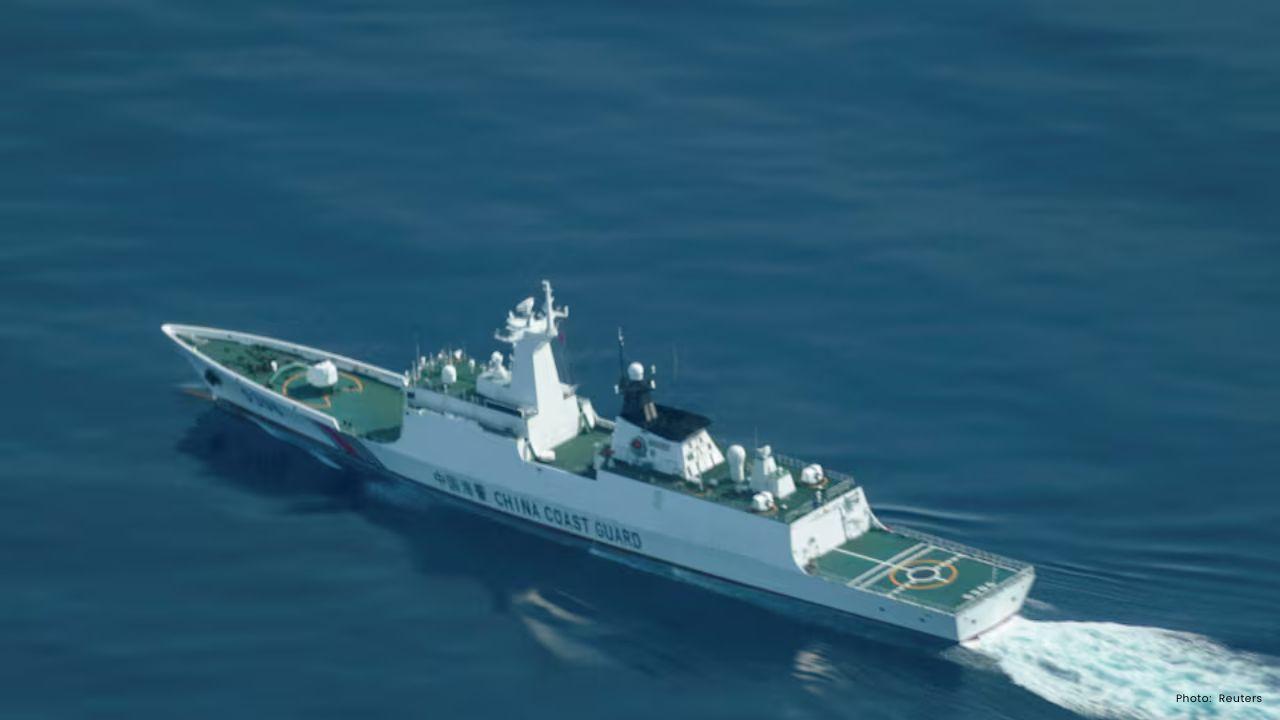
China has carried out a new round of naval and air patrols in the South China Sea, a region that remains one of the most disputed and sensitive zones in the world. According to an official military statement, the patrols were conducted over several days and were meant to protect what China calls its territorial and maritime rights.
The Chinese Southern Theater Command said its ships and aircraft operated in the area from Monday through Friday. The command also criticized the Philippines for working with countries outside the region on joint air patrols. Chinese officials claimed these joint activities increase risk and disturb regional stability.
The South China Sea is important for many reasons. Huge amounts of global trade move through these waters every year. The sea is also rich in fish and is believed to contain oil and gas reserves. Because of this, several countries claim different parts of it. China, the Philippines, Vietnam, Malaysia, and others all have overlapping claims. This makes even routine patrols politically sensitive.
China says its patrols are lawful and defensive. The Philippines has often said its own patrols and joint missions are within its rights and are meant to protect its maritime zone. When both sides say they are acting properly, it shows how deep the disagreement runs.
From an editorial view, the real danger is not only the patrols themselves, but the pattern they create. Each new patrol leads to another. Each show of force invites a response. Over time, this cycle builds tension and reduces trust. In crowded airspace and sea lanes, even a small mistake can cause a serious incident.
Modern military aircraft and ships often operate very close to each other in disputed areas. Fast moves, warning signals, or blocked paths can be misunderstood. A simple attempt to warn another vessel can be seen as a threat. That is why safety rules and direct communication channels between forces are so important.
Another growing factor is the role of partner countries. When outside powers join patrols or exercises, it changes the balance and the message. Supporters say it protects freedom of navigation. Critics say it increases rivalry. Either way, more players mean more chances for friction.
The region needs stronger crisis-control systems. Clear rules for encounters at sea and in the air should be updated and followed strictly. Military hotlines should be active and used quickly when incidents happen. Fast clarification can stop a small event from turning into a diplomatic or military clash.
Long-term peace will not come from patrols alone. It will come from talks, legal agreements, and shared rules. Disputes over territory are hard to settle, but they can be managed in safer ways. Dialogue does not remove differences, but it lowers the temperature.
The South China Sea connects many nations. Its safety affects trade, energy supply, and food security. That is why careful action matters more than dramatic action. Strong positions should be matched with steady diplomacy.








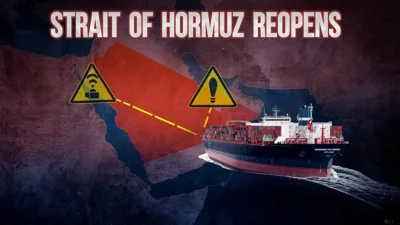
Reopening of the Strait of Hormuz: New Regulations to Impact Global Trade
Iran reopens the strategic Strait of Hormuz with new regulations affecting oil transport and global

Top 10 Must-See Attractions in NYC for First-Time Explorers
Discover essential experiences for first-time visitors to NYC, including attractions, culture, and i

Starbucks Engages Boyu Capital for Major Chinese Expansion
Starbucks teams up with Boyu Capital, selling a majority stake to boost growth and adapt to the Chin

Three Individuals Charged in Massive Meth Trafficking Case in Malaysia
In Malaysia, a married couple and another suspect are charged with trafficking 510kg of meth, facing

Singapore Police Revisit Geylang Murder Scene with Suspect
In Geylang, police return a murder suspect to the scene of a crime involving the fatal stabbing of a