Post by : Saif Nasser
Vietnam is preparing for a major political moment as its ruling Communist Party gets ready to hold its 14th national congress in January. This meeting, held once every five years, plays a key role in deciding who will lead the country and what policies will shape Vietnam’s future until 2030. While the congress takes place away from public view, its decisions affect the daily lives of millions of people across the nation.
Around 1,600 delegates from different regions of Vietnam will attend the congress. These delegates represent more than five million party members. During the meeting, they will vote to select about 200 officials to form the Central Committee. This committee is one of the most powerful bodies in the country’s political system. From within the Central Committee, a smaller and more influential group known as the Politburo is chosen. The Politburo usually has between 17 and 19 members. From this group, the party selects its general secretary, who is now considered the most powerful leader in Vietnam.
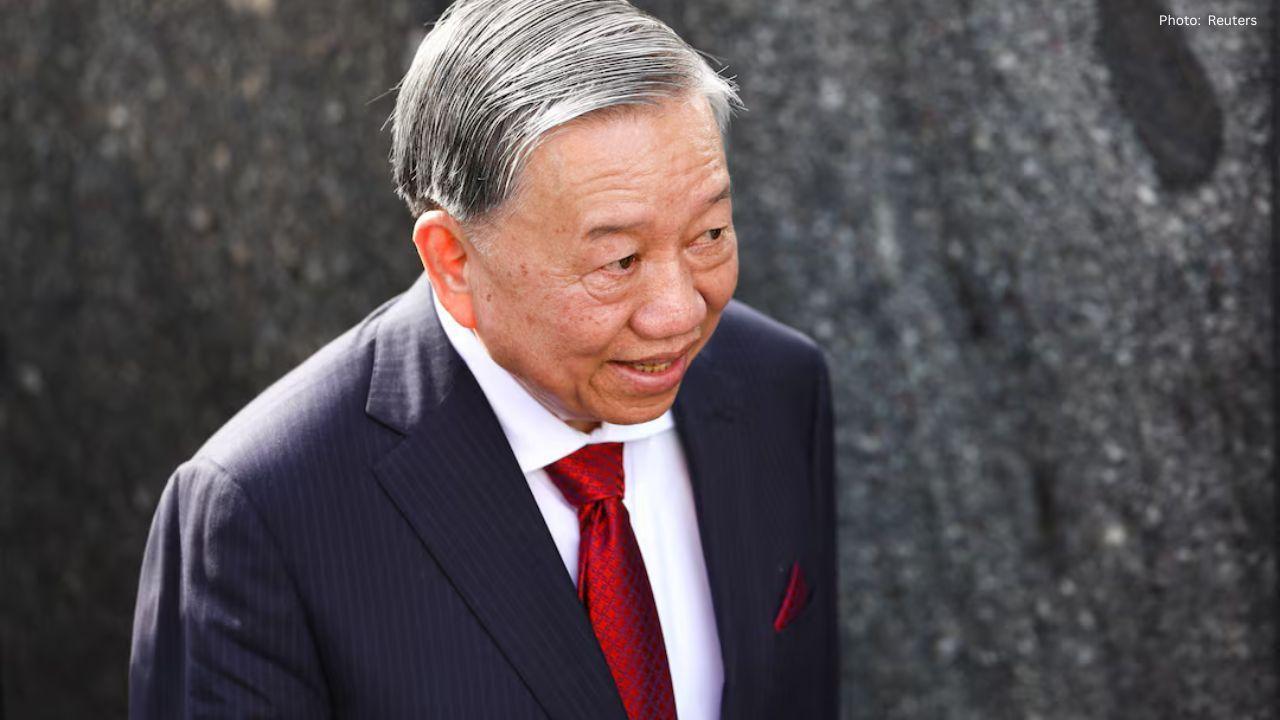
The current general secretary, To Lam, took office in July 2024 after the death of long-time leader Nguyen Phu Trong. At 68 years old, Lam is seeking another term. Since becoming party chief, he has moved quickly to introduce reforms, tighten security, and expand the influence of the police and security forces. His leadership style shows a strong focus on order, discipline, and control during a period of global uncertainty and regional tension.
Once the party congress is over, Vietnam will hold parliamentary elections between March and May. These elections usually confirm the choices already made by the Communist Party. Lawmakers are expected to approve key state positions, including the president, prime minister, chair of parliament, cabinet ministers, and the head of the central bank. This process ensures that the party maintains firm control over both political and state institutions.
Vietnam is not expected to make sudden or dramatic changes in its main policies. The country follows a system of collective leadership, which has helped maintain stability for decades. This approach has been in place since the late 1980s, when economic reforms known as Doi Moi helped transform Vietnam from a poor, war-damaged country into one of Asia’s fastest-growing economies.
In foreign affairs, Vietnam continues to balance its relationships with major global powers such as China, the United States, and Russia. This careful strategy allows the country to avoid taking sides while protecting its national interests. Although leaders may change their language over time, the core approach of maintaining balanced and flexible diplomacy is expected to remain the same.
On the economic side, the party wants to strengthen private businesses while keeping the state in a guiding role. Vietnam hopes to reduce its heavy dependence on foreign investment, even as it continues to welcome advanced technology and global capital. Leaders believe building strong domestic companies is necessary to achieve long-term growth and economic independence.
Looking ahead to 2030, economic growth remains the foundation of the party’s authority. Vietnam is aiming for ambitious annual growth of at least 10 percent between 2026 and 2030. This target is much higher than the goals of the previous five-year period, which were not fully met. The government also plans to increase public spending on infrastructure and development projects, even if it means running a higher budget deficit. Officials believe this spending is needed to support growth at a time when global trade faces uncertainty and pressure from high tariffs.
The outcomes of this congress will influence Vietnam’s direction for many years. By choosing its next leaders and setting clear goals, the Communist Party aims to ensure stability, growth, and continued control. For Vietnam, this five-yearly meeting is not just a political routine but a moment that shapes the country’s future path.





Starbucks Engages Boyu Capital for Major Chinese Expansion
Starbucks teams up with Boyu Capital, selling a majority stake to boost growth and adapt to the Chin

Three Individuals Charged in Massive Meth Trafficking Case in Malaysia
In Malaysia, a married couple and another suspect are charged with trafficking 510kg of meth, facing

Singapore Police Revisit Geylang Murder Scene with Suspect
In Geylang, police return a murder suspect to the scene of a crime involving the fatal stabbing of a

Mattel Revives Masters of the Universe Action Figures Ahead of Film Launch
Mattel is reintroducing Masters of the Universe figures in line with its upcoming film, tapping into

China Executes 11 Members of Criminal Clan Linked to Myanmar Scam
China has executed 11 criminals associated with the Ming family, known for major scams and human tra