Post by : Saif Nasser
Europe’s five largest military powers have decided to work together on a new defence project. France, Germany, Italy, Poland, and Britain announced that they will develop low-cost air defence systems. The goal is to have some of these systems ready for production within 12 months.
The agreement was made during a meeting of defence ministers in Krakow, Poland. Leaders said the plan will focus on modern and affordable tools such as autonomous drones and small missiles. These systems are meant to stop enemy drones, aircraft, and other threats in a quicker and cheaper way.
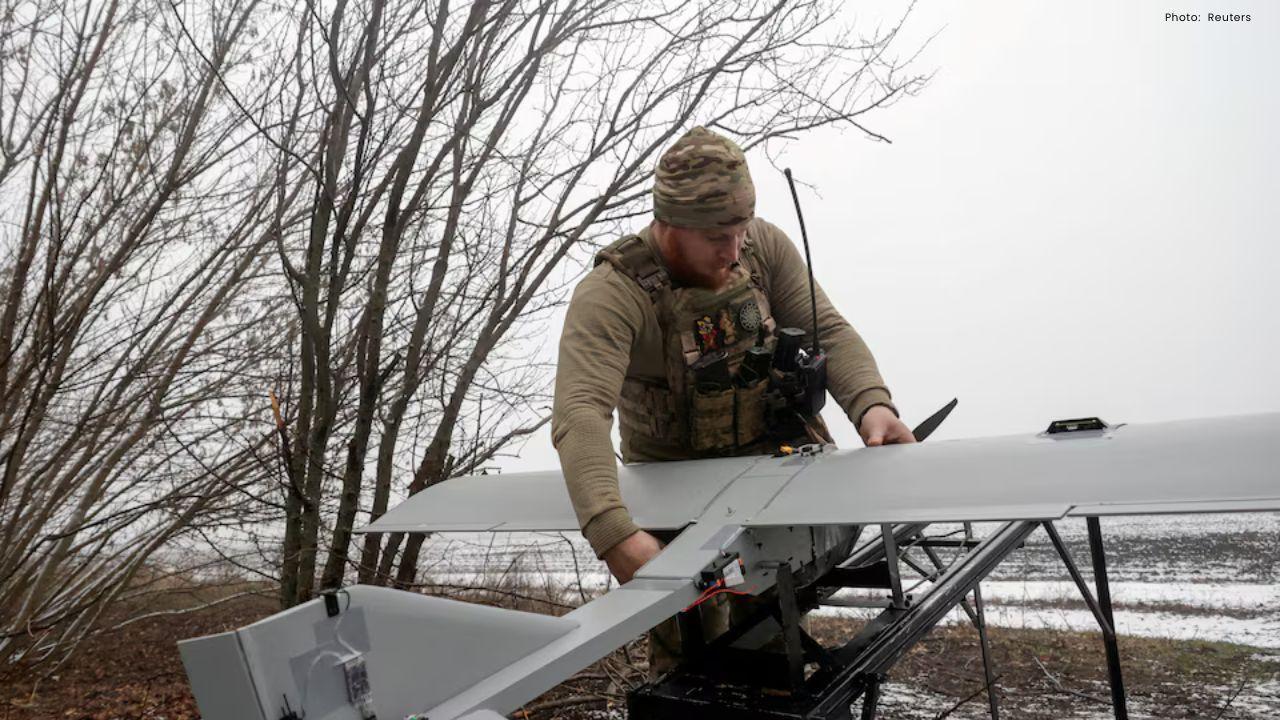
The war in Ukraine has changed how many countries think about defence. In that conflict, small interceptor drones have proven useful in stopping larger and more expensive weapons. European nations want to study these lessons and use similar ideas to protect their own airspace.
The new program is called the Low-Cost Effectors and Autonomous Platforms initiative, also known as LEAP. In simple words, it aims to create unmanned systems that can operate on their own and respond quickly to threats. “Effectors” are the parts of a defence system that actually strike or block a target.
British Defence Minister Luke Pollard said the project involves a multi-million euro investment. He shared hope that the first systems could enter production within a year. Polish Defence Minister Wladyslaw Kosiniak-Kamysz described the deal as an important step toward joint development and shared production.
This cooperation reflects Europe’s growing focus on strengthening its own security. Some leaders have expressed concern about depending too heavily on outside allies. By building shared defence systems, European nations can become more self-reliant and better prepared for future risks.
Another benefit of working together is cost savings. When countries combine resources, they can reduce research and production expenses. This makes it easier to produce advanced technology at a lower price.
Officials said the first project under LEAP should be delivered by 2027. If successful, it could mark a major shift in how Europe approaches air defence. Instead of relying mainly on expensive missile systems, countries may use smarter and more affordable solutions.
The world of modern warfare is changing quickly. Drones and automated systems are playing a bigger role than ever before. By investing in innovation and teamwork, Europe’s top military powers are preparing for these new challenges.
This joint effort shows that Europe is serious about protecting its skies while also managing costs. The coming months will reveal how quickly these plans turn into reality.










Reopening of the Strait of Hormuz: New Regulations to Impact Global Trade
Iran reopens the strategic Strait of Hormuz with new regulations affecting oil transport and global

Top 10 Must-See Attractions in NYC for First-Time Explorers
Discover essential experiences for first-time visitors to NYC, including attractions, culture, and i

Starbucks Engages Boyu Capital for Major Chinese Expansion
Starbucks teams up with Boyu Capital, selling a majority stake to boost growth and adapt to the Chin

Three Individuals Charged in Massive Meth Trafficking Case in Malaysia
In Malaysia, a married couple and another suspect are charged with trafficking 510kg of meth, facing

Singapore Police Revisit Geylang Murder Scene with Suspect
In Geylang, police return a murder suspect to the scene of a crime involving the fatal stabbing of a