Post by : Saif Nasser
The Panama Canal, one of the most important trade routes in the world, has once again become the center of a growing political and economic dispute involving the United States, China, and several Latin American countries. A recent controversy over China’s response to actions linked to the canal has triggered criticism from Washington and its regional partners, showing how global rivalries are now shaping even the most essential trade routes.
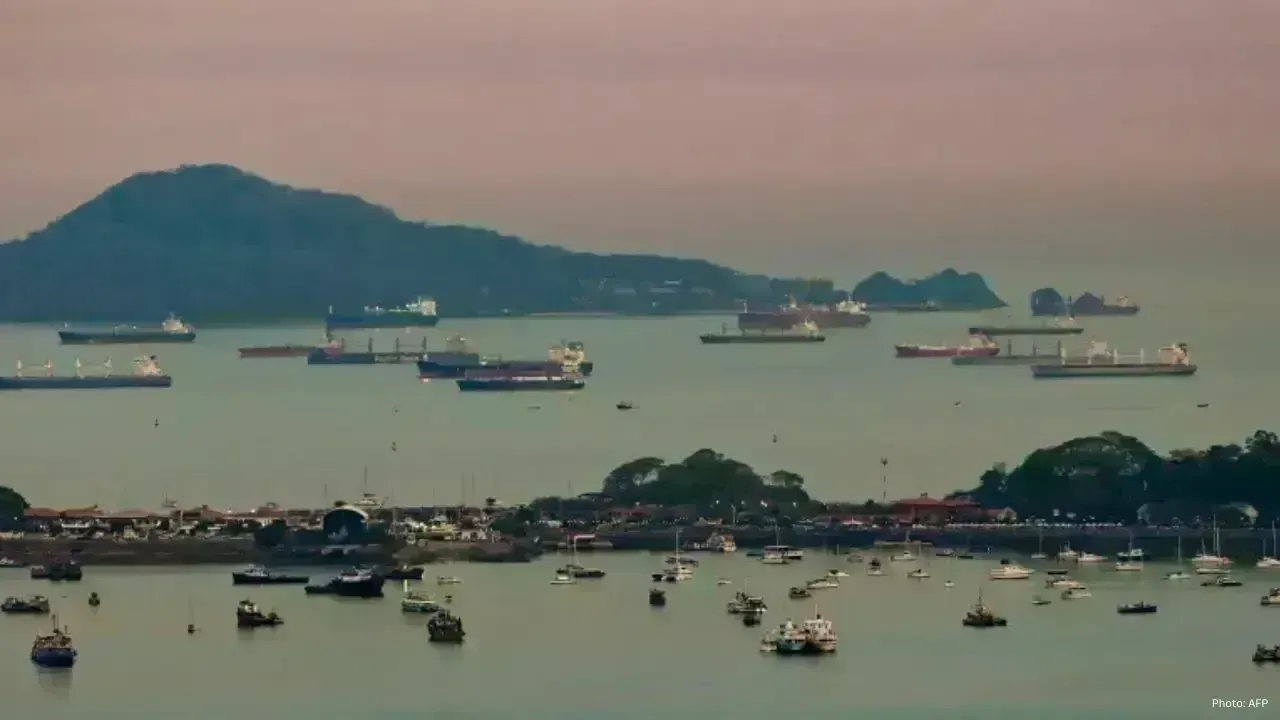
The dispute began after tensions increased around the management and control of ports linked to the Panama Canal. The canal is a key shortcut for global shipping, carrying about 5% of world trade. Because of its importance, any political conflict connected to it quickly becomes an international issue.
According to recent reports, China reacted strongly after developments involving a Hong Kong-based company that previously operated port terminals near the canal. The situation escalated when Panama’s court system and government decisions affected the company’s contract. China criticized these moves and warned of consequences, calling them unfair and politically motivated.
However, the reaction from China did not remain limited to words. Reports suggest that Chinese actions, including increased inspections and detentions of Panama-flagged ships, were seen by the United States as a form of retaliation. U.S. officials have raised concerns that such steps may be used to pressure Panama and influence decisions linked to the canal.
In response, the United States has taken a strong position. Washington has accused China of using economic pressure and shipping-related actions to interfere in Panama’s sovereignty and global trade operations. The U.S. argues that the Panama Canal should remain free from outside political influence and must operate under transparent international rules.
Several Latin American countries have now joined the United States in expressing concern. In a joint statement, the U.S. and its regional partners said they support Panama’s sovereignty and warned against any external pressure that could affect its independence. These countries also emphasized that the canal is not just a national asset for Panama, but a critical part of global trade that must remain stable and neutral.
This situation highlights a larger geopolitical struggle between the United States and China. Over the past two decades, China has increased its economic presence in Latin America through trade, infrastructure investment, and shipping partnerships. At the same time, the United States has been trying to maintain its traditional influence in the region, seeing China’s expansion as a strategic challenge.
The Panama Canal has become one of the most visible symbols of this competition. Control over nearby ports, shipping routes, and logistics infrastructure is not just about business—it is also about global influence. Whoever has greater access and influence over such routes gains an advantage in international trade and politics.
For Panama, the situation is extremely sensitive. The country has tried to maintain good relations with both major powers while also protecting its own legal system and sovereignty. However, the growing pressure from both sides makes neutrality increasingly difficult.
Experts say this dispute is not only about Panama or even China and the United States. Instead, it reflects a wider trend where global trade routes are becoming tools of political power. Economic decisions, court rulings, and shipping regulations are now often viewed through the lens of international rivalry.
At the same time, there are concerns that continued escalation could affect global shipping stability. Any disruption in the Panama Canal could slow down trade, increase shipping costs, and affect supply chains across continents.
In conclusion, the latest tensions over China’s response and the criticism from the United States and Latin American countries show how deeply interconnected global politics and trade have become. The Panama Canal, once seen mainly as an engineering achievement, is now a symbol of 21st-century power competition. How this situation develops will depend on whether diplomacy can overcome rivalry—or whether global trade routes become further divided by political conflict.




Price Increase for Sony PS5 in Southeast Asia Effective May 1
Sony announces a price increase for the PS5 across Southeast Asia starting May 1, 2026, impacting ga

Potential ‘Super El Niño’ in 2026: Understanding the Climate Risks
Could a Super El Niño emerge in 2026? Discover its implications and potential global climate impacts

Global Energy Crisis Intensifies: Markets React to Oil Supply Challenges
Markets are on edge as oil disruptions escalate, influencing prices and economic stability. Explore

Must-See Tourist Spots in London You Can't Overlook
Explore London's essential attractions, from royal landmarks to vibrant markets, ensuring an unforge

Ultimate Guide to Snagging Cheap Flights in 2026
Unlock the secrets to booking affordable flights in 2026 with insightful tips and strategies tailore

The Impact of Consistent Small Investments on Wealth Building
Discover how investing small amounts regularly can positively transform your financial future over t