Post by : Bianca Suleiman
In a landmark move, the United Arab Emirates (UAE) has announced its intention to leave the Organisation of the Petroleum Exporting Countries (OPEC), ending a nearly 60-year membership. This shift in policy is expected to have substantial implications for global oil politics and Gulf dynamics.
Sources indicate that this decision stems from heightened tensions between Abu Dhabi and Saudi Arabia, OPEC's leading member. The UAE has expressed dissatisfaction with the production limits imposed by the organization, as it seeks to ramp up its oil output and enhance its revenue streams.
Growing Strains in the Gulf
Reports suggest that underlying friction between the UAE and Saudi Arabia has escalated over time. Although the two nations share common strategic interests, diverging views on oil production and regional dominance have strained their alliance.
Adding to the complexity is the involvement of Iran, with regional conflicts raising security concerns and prompting varying diplomatic strategies among Gulf nations.
Challenges with Pakistan
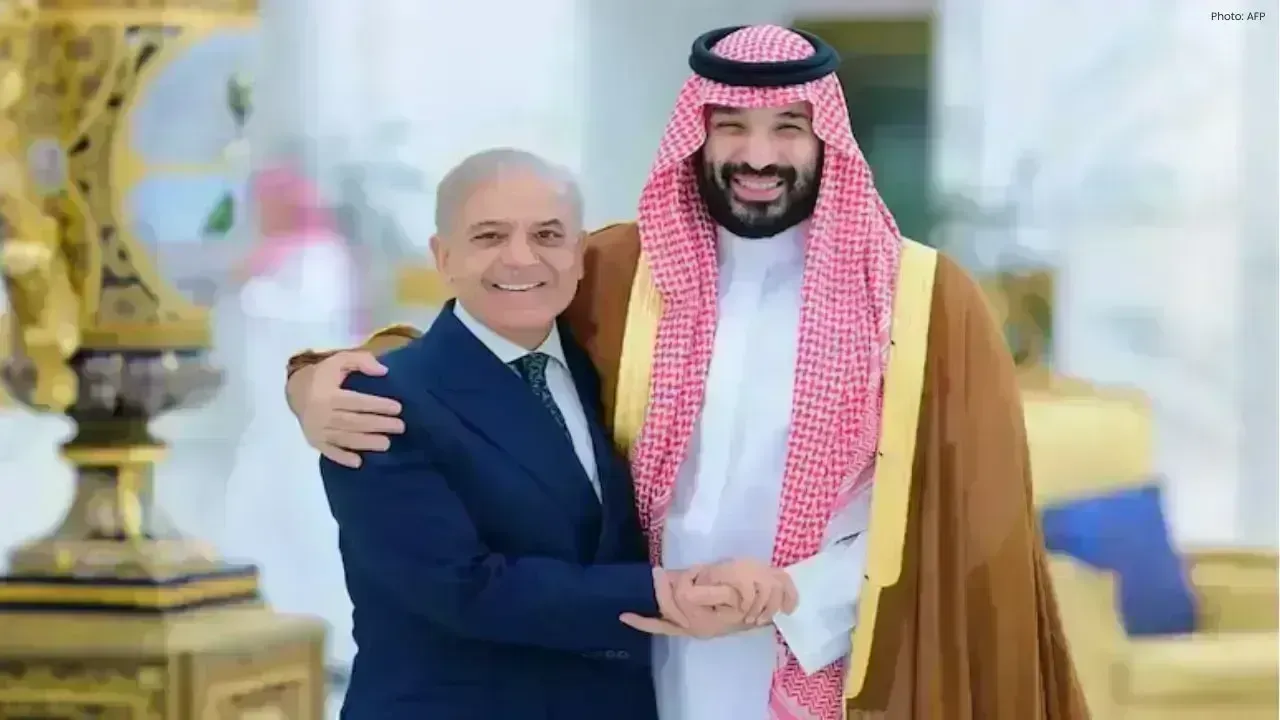
The UAE has also voiced discontent regarding Pakistan’s role in the region, feeling undermined by Islamabad's neutral stand during the US-Iran tensions. The UAE has questioned Pakistan's responsiveness to Gulf security challenges throughout this turmoil.
Earlier, the UAE withdrew approximately $3.5 billion in deposits from Pakistan, signaling eroding trust and a growing diplomatic rift.
Consequences for OPEC and Oil Prices
As one of OPEC’s top oil producers, the UAE’s exit may diminish the organization's influence over global oil supply and pricing, especially as member countries adopt varied production strategies.
The UAE reportedly aims to increase its oil production significantly in the near future, with targets soaring up to 5 million barrels per day by 2027, stepping away from traditional OPEC quotas.
Broader Economic Implications
Analysts predict that this transition could enhance global oil supply flexibility, potentially leading to lower crude prices in the coming years. This might especially benefit oil-importing nations, such as India, by alleviating import expenses and moderating inflation.
Moreover, the UAE's decision fortifies its standing as an autonomous oil player with the capacity to shape global energy markets beyond OPEC constraints.
Strategic Shift
Experts suggest that the UAE's exit signifies a recalibrated strategic approach, aiming for closer ties with global partners, particularly the United States, while asserting more autonomy in its energy policies.
This development is poised to be one of the most notable transformations in global oil frameworks in decades, altering the power balance within the Middle East's energy landscape.










Price Increase for Sony PS5 in Southeast Asia Effective May 1
Sony announces a price increase for the PS5 across Southeast Asia starting May 1, 2026, impacting ga

Potential ‘Super El Niño’ in 2026: Understanding the Climate Risks
Could a Super El Niño emerge in 2026? Discover its implications and potential global climate impacts

Global Energy Crisis Intensifies: Markets React to Oil Supply Challenges
Markets are on edge as oil disruptions escalate, influencing prices and economic stability. Explore

Must-See Tourist Spots in London You Can't Overlook
Explore London's essential attractions, from royal landmarks to vibrant markets, ensuring an unforge

Ultimate Guide to Snagging Cheap Flights in 2026
Unlock the secrets to booking affordable flights in 2026 with insightful tips and strategies tailore

The Impact of Consistent Small Investments on Wealth Building
Discover how investing small amounts regularly can positively transform your financial future over t