Post by : Shweta
Iran has put forth a suggestion to reopen the strategically vital Strait of Hormuz, contingent on the easing of economic sanctions enforced by the United States. This initiative presents a potential pathway for lessening tensions in West Asia. However, U.S. officials express reservations regarding Tehran’s genuine intentions, leading many to question whether this proposal could be a real opportunity or just another diplomatic dead end.
The Strait of Hormuz is critical to global oil transportation, with nearly 20% of the world’s oil supplies traversing this narrow stretch of water. Disruptions in the area can have immediate repercussions on international energy markets and oil prices. Tehran’s recent proposal emerges amidst escalating military activities and economic pressures tied to the ongoing tensions with the U.S.
According to officials in Iran, this plan seeks to decouple the pressing maritime issues from the more complex nuclear discussions with the U.S. Tehran advocates that reinstating free navigation in Hormuz could foster step-by-step trust-building between both nations, ultimately paving the way for dialogue on nuclear matters. Iranian leaders contend that restoring unfettered access to this waterway would not only benefit the global economy but also mitigate fears of an expanded regional crisis.
Iranian Foreign Minister Abbas Araghchi has been engaging with regional as well as global partners, striving to garner backing for this initiative and to avert further escalation. Countries like Russia, Saudi Arabia, Oman, and Pakistan are part of Tehran's outreach efforts.
However, reports indicate that the Trump administration is skeptical about Iran’s offer. Senior officials in Washington believe that sustained economic pressure could ultimately compel Iran to acquiesce to U.S. demands, particularly around its nuclear ambitions and regional military presence.
U.S. Secretary of State Marco Rubio has voiced concerns regarding Iran's potential control over international shipping routes, emphasizing that the Strait of Hormuz must remain open and accessible under international law, free from political manipulations or security threats.
The nuclear discourse remains a significant hurdle for any forthcoming agreement between Washington and Tehran. American representatives continue to call for assurances from Iran that it will not pursue nuclear weapons, while Tehran maintains that its nuclear pursuits are solely for peaceful purposes and has condemned Western sanctions and military pressures.
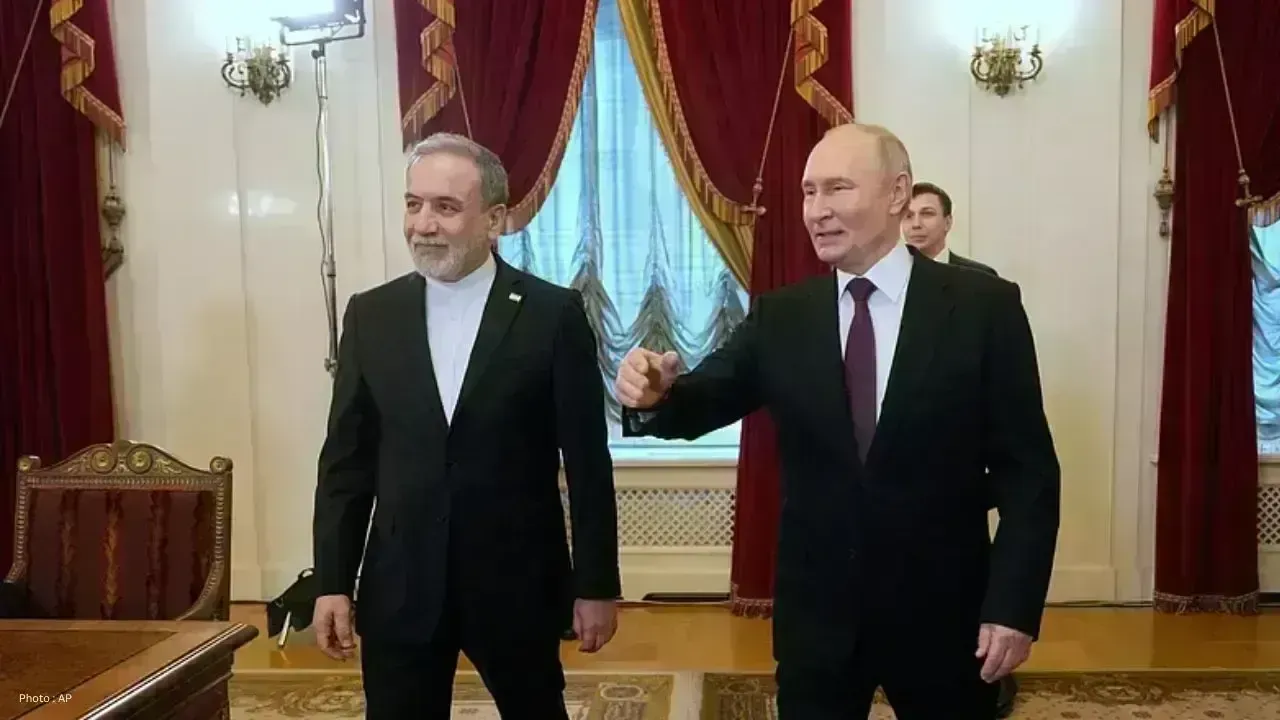
The ongoing situation has drawn global scrutiny towards Iran’s ties with Russia. In recent years, Tehran and Moscow have bolstered their political and military partnerships, particularly in response to regional security and economic concerns. During a visit to Saint Petersburg, Minister Araghchi met with Vladimir Putin to deliberate on regional trends and Iran’s diplomatic overtures.
Russian leaders have openly endorsed efforts to ease tensions and seek peace in the Middle East, while denouncing U.S. and Israeli military interventions against Iran as destabilizing. Speculation has arisen regarding potential Russian intelligence assistance to Iran amidst recent military skirmishes, though Moscow has denied any direct involvement.
Analysts denote that the prevailing climate remains precarious due to the Gulf region's economic significance and the risks of broader military conflicts. Any sustained disruption at the Strait of Hormuz could significantly impact oil exports, shipping lanes, and global energy prices. Economies in Asia and Europe are particularly attentive to these developments, given their strong reliance on energy sourced from this region.
While Iran’s latest diplomatic maneuver is seen by some as a glimmer of hope for negotiation after prolonged confrontations, others argue that the deep-seated mistrust between Tehran and Washington may thwart any substantial progress. The proposal’s fate ultimately hinges on both parties’ willingness to seek compromise rather than further entrenchment.







Price Increase for Sony PS5 in Southeast Asia Effective May 1
Sony announces a price increase for the PS5 across Southeast Asia starting May 1, 2026, impacting ga

Potential ‘Super El Niño’ in 2026: Understanding the Climate Risks
Could a Super El Niño emerge in 2026? Discover its implications and potential global climate impacts

Global Energy Crisis Intensifies: Markets React to Oil Supply Challenges
Markets are on edge as oil disruptions escalate, influencing prices and economic stability. Explore

Must-See Tourist Spots in London You Can't Overlook
Explore London's essential attractions, from royal landmarks to vibrant markets, ensuring an unforge

Ultimate Guide to Snagging Cheap Flights in 2026
Unlock the secrets to booking affordable flights in 2026 with insightful tips and strategies tailore

The Impact of Consistent Small Investments on Wealth Building
Discover how investing small amounts regularly can positively transform your financial future over t




