Post by : Shakul
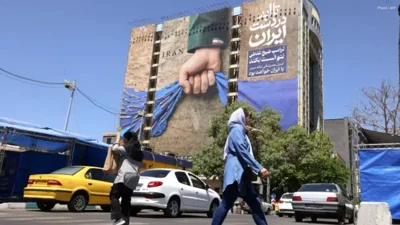
The U.S. military has confirmed operations described as “self-defense” strikes in southern Iran during ongoing ceasefire discussions and diplomatic efforts between Washington and Tehran. The strikes aimed at missile launch sites and vessels reportedly involved in laying naval mines near key maritime routes.
Officials from U.S. Central Command reported that these actions were taken to safeguard U.S. military personnel against immediate threats from Iranian forces. Captain Tim Hawkins emphasized that despite growing tensions, the United States remains committed to exercising restraint in this delicate environment.
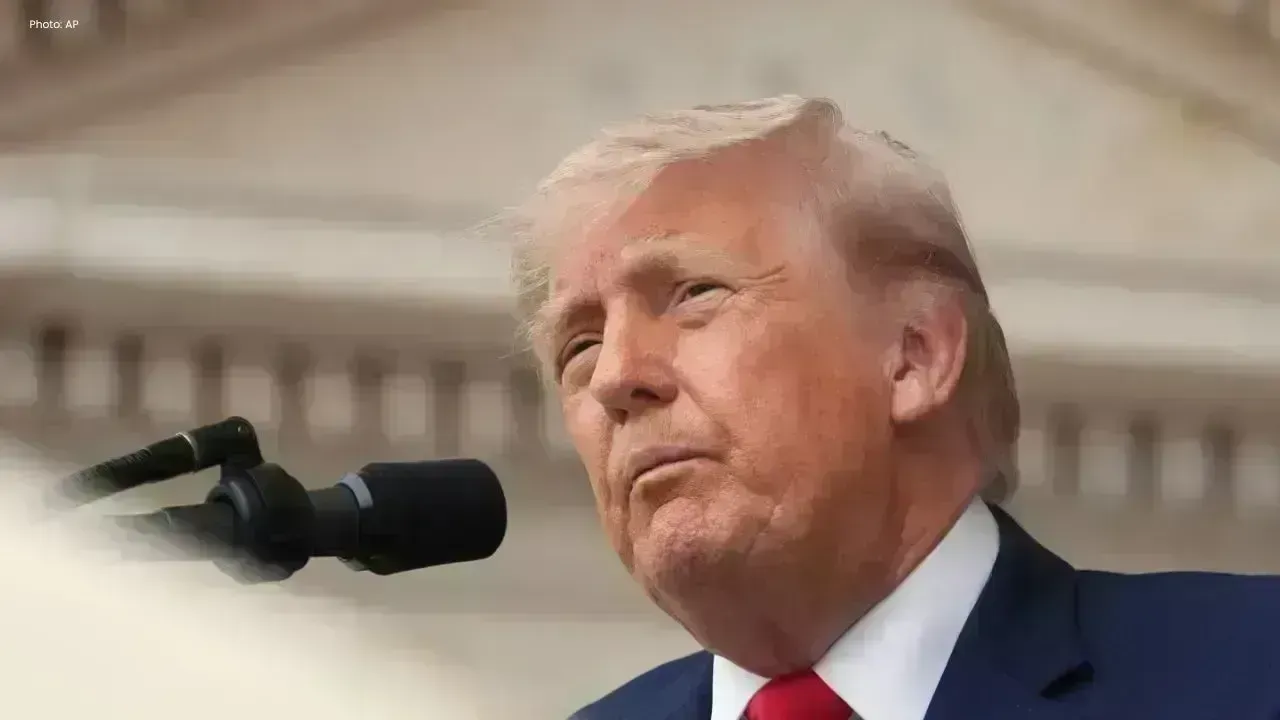
This military action occurs during a crucial period as behind-the-scenes discussions between the U.S. and Iran continue. Former President Donald Trump noted that talks were “progressing positively,” even amidst reports of blasts in southern Iran. These strikes have heightened apprehensions about military escalations potentially derailing diplomatic efforts aimed at a more extensive regional agreement.
Iranian media claimed that at least four Revolutionary Guard members lost their lives in the strikes near Bandar Abbas, a vital port city along the Strait of Hormuz. Though Iranian state television reported on explosions in military zones, Tehran has yet to officially respond to the U.S. military actions.
The Strait of Hormuz remains a critical passage for a significant share of global oil and natural gas exports. Experts caution that disturbances in this area could lead to volatility in global energy markets and escalate economic distress worldwide.
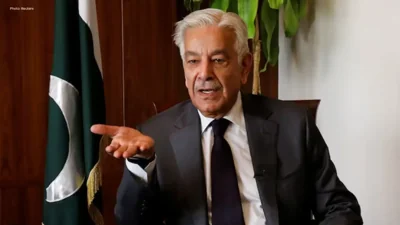
In parallel, diplomatic initiatives are being facilitated by regional intermediaries such as Qatar and Pakistan. Reports indicate that Iran's parliamentary speaker, Mohammad Bagher Qalibaf, visited Qatar for talks related to broader ceasefire negotiations. Pakistan is also playing a vital role in mediating tensions between Washington and Tehran.
The situation has gained further complexity following Trump’s suggestion that nations like Saudi Arabia and Pakistan should join the Abraham Accords as part of future regional agreements. Initially introduced during his presidency, the Abraham Accords seek to normalize relations between Israel and various Arab countries.
Trump has posited that additional nations should align with these accords alongside any peace deal with Iran. However, this proposal presents new diplomatic hurdles, as several involved countries, Pakistan included, continue to tie recognition of Israel to the establishment of an independent Palestinian entity.
Political analysts suggest that the strikes illustrate the precarious balance between military pressure and diplomatic negotiations influencing the current Middle Eastern crisis. While dialogues are ongoing, the interplay of military actions and regional political dynamics may complicate efforts to establish a durable ceasefire between the U.S. and Iran.







Anticipated Dates for UAE Eid Al Adha 2026 Unveiled by Astronomical Experts
Experts predict Eid Al Adha 2026 in the UAE to start on May 27, prompting early holiday planning amo

DAE Achieves Remarkable Growth in Q1 2026 With Record Revenue
Dubai Aerospace Enterprise announces impressive financial results for Q1 2026, reflecting a surge in

Price Increase for Sony PS5 in Southeast Asia Effective May 1
Sony announces a price increase for the PS5 across Southeast Asia starting May 1, 2026, impacting ga

Potential ‘Super El Niño’ in 2026: Understanding the Climate Risks
Could a Super El Niño emerge in 2026? Discover its implications and potential global climate impacts

Global Energy Crisis Intensifies: Markets React to Oil Supply Challenges
Markets are on edge as oil disruptions escalate, influencing prices and economic stability. Explore

Must-See Tourist Spots in London You Can't Overlook
Explore London's essential attractions, from royal landmarks to vibrant markets, ensuring an unforge




