Post by : Saif Nasser
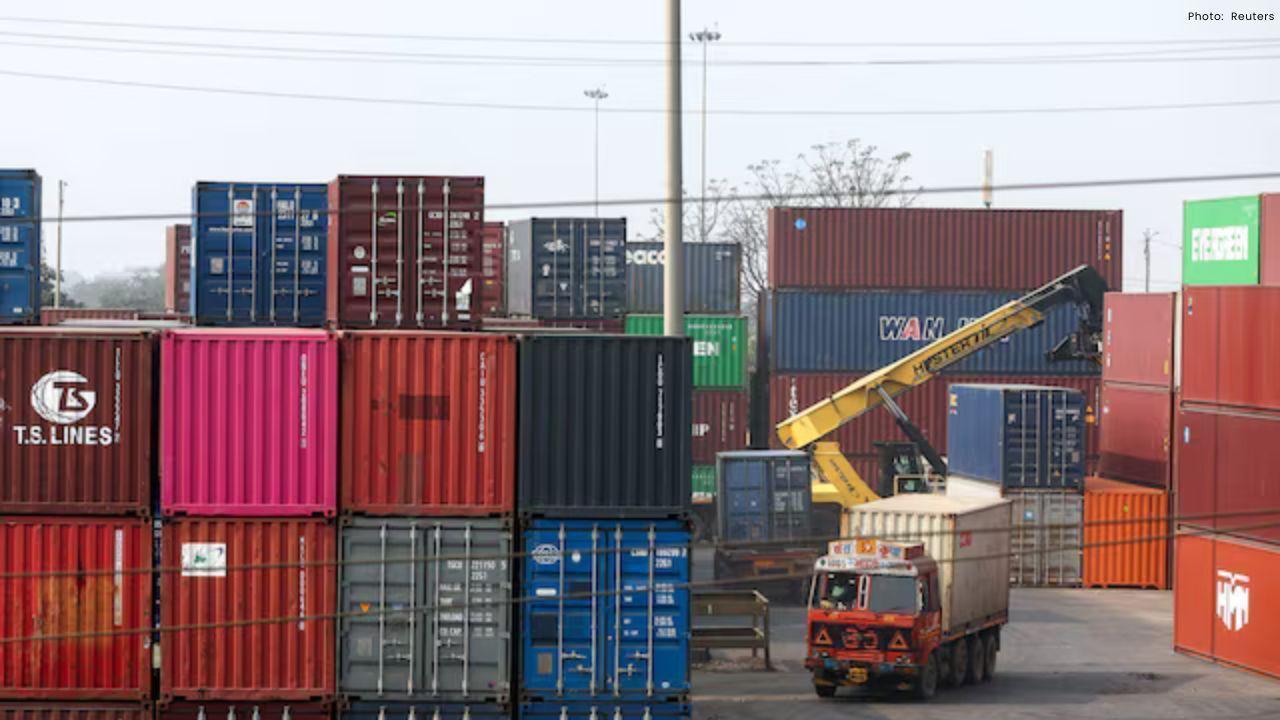
The United States and India have announced an interim trade framework that brings both countries closer to a larger trade agreement. The plan focuses on lowering tariffs, improving market access, and building stronger supply chains. This step shows that both sides want faster economic cooperation instead of waiting years for one final deal.
The interim framework acts like a starting package. It allows both governments to begin with limited but important changes while they continue talks on a full bilateral trade agreement. This approach helps companies plan ahead and start using new trade benefits sooner.
A major part of the framework is about tariffs, which are taxes on imported goods. India has agreed to remove or reduce tariffs on many American industrial products. It will also lower duties on several US agricultural and food items. These include animal feed products, nuts, fruits, soybean oil, wine, and spirits. Lower tariffs can make these goods cheaper in India and increase competition in the market.
At the same time, the United States will keep an 18% reciprocal tariff on some Indian goods for now under existing rules. These cover items such as textiles, clothing, leather products, footwear, plastics, rubber goods, chemicals, handicrafts, and certain machinery. However, the framework says that once the interim deal is fully completed, many Indian products will get relief from these tariffs. These include generic medicines, gems and diamonds, and aircraft parts.
There are also special points related to metals and auto products. The US plans to remove some earlier security-based tariffs connected to steel and aluminum on Indian aircraft and aircraft parts. India will also receive a special quota that allows auto parts to enter the US at better tariff rates. A final decision on drug-related tariffs is still under review by US authorities.
Beyond tariffs, both countries are also addressing non-tariff barriers. These are rules, testing requirements, and licensing systems that can slow down imports. India has agreed to work on issues linked to US medical devices, technology goods, and farm products. It will review global and US standards in selected sectors within six months. This could reduce delays and make trade smoother.
Digital trade is another growing area in the framework. Both sides agreed to work against unfair or heavy digital trade restrictions. They plan to build proper digital trade rules under the future full agreement. This is important because trade today includes data services, digital tools, and online systems, not just physical products.
Supply chain security is also a shared goal. The US and India want to make supply chains more reliable and less risky. They will cooperate on export controls, investment reviews, and policies dealing with unfair trade practices by third countries. This shows a joint effort to protect key industries and technologies.
India has also shown interest in buying about $500 billion worth of US goods over the next five years. These may include energy supplies, aircraft and parts, precious metals, advanced technology products, data center equipment, and coking coal. Such large purchases could expand total trade and support jobs in both countries.
The framework also includes rules of origin. These rules make sure that trade benefits go mainly to goods truly made in the US or India, not products from other countries routed through them. There are also safety clauses that allow either country to adjust terms if the other changes agreed tariff levels.
This interim framework is not the final trade deal, but it is an important move forward. It shows practical progress and political intent from both sides. If the early steps work well, they can build trust and speed up talks on a full agreement.
For businesses, exporters, and investors, the message is clear: the US–India economic partnership is entering a more active phase. The real test will be how quickly these promises turn into action on the ground.









Top 10 Must-See Attractions in NYC for First-Time Explorers
Discover essential experiences for first-time visitors to NYC, including attractions, culture, and i

Starbucks Engages Boyu Capital for Major Chinese Expansion
Starbucks teams up with Boyu Capital, selling a majority stake to boost growth and adapt to the Chin

Three Individuals Charged in Massive Meth Trafficking Case in Malaysia
In Malaysia, a married couple and another suspect are charged with trafficking 510kg of meth, facing

Singapore Police Revisit Geylang Murder Scene with Suspect
In Geylang, police return a murder suspect to the scene of a crime involving the fatal stabbing of a

Mattel Revives Masters of the Universe Action Figures Ahead of Film Launch
Mattel is reintroducing Masters of the Universe figures in line with its upcoming film, tapping into