Post by : Monika
Photo: Reuters
The United States government recently made a big change in how it counts the duty status of military members who help with immigration tasks. This change affects soldiers who are sent to assist in immigration operations at the U.S. southern border and other places. The new rules are meant to better recognize the work they do and to provide clearer guidelines for their roles.
Why Was This Change Needed?
In recent years, the U.S. military has been involved in helping immigration agencies, especially at the border with Mexico. Military troops have supported tasks like setting up facilities, providing security, and managing the movement of migrants and asylum seekers. However, the rules about how their work was counted and how they were classified during these missions were unclear or inconsistent.
This caused confusion about whether these military members were on “active duty,” “full-time duty,” or some other kind of status. The difference matters because it affects pay, benefits, and how their time is recorded for retirement and other military rules.
The Department of Defense (DoD) said it wanted to fix this confusion by making the rules clearer and fairer for the troops.
What Exactly Has Changed?
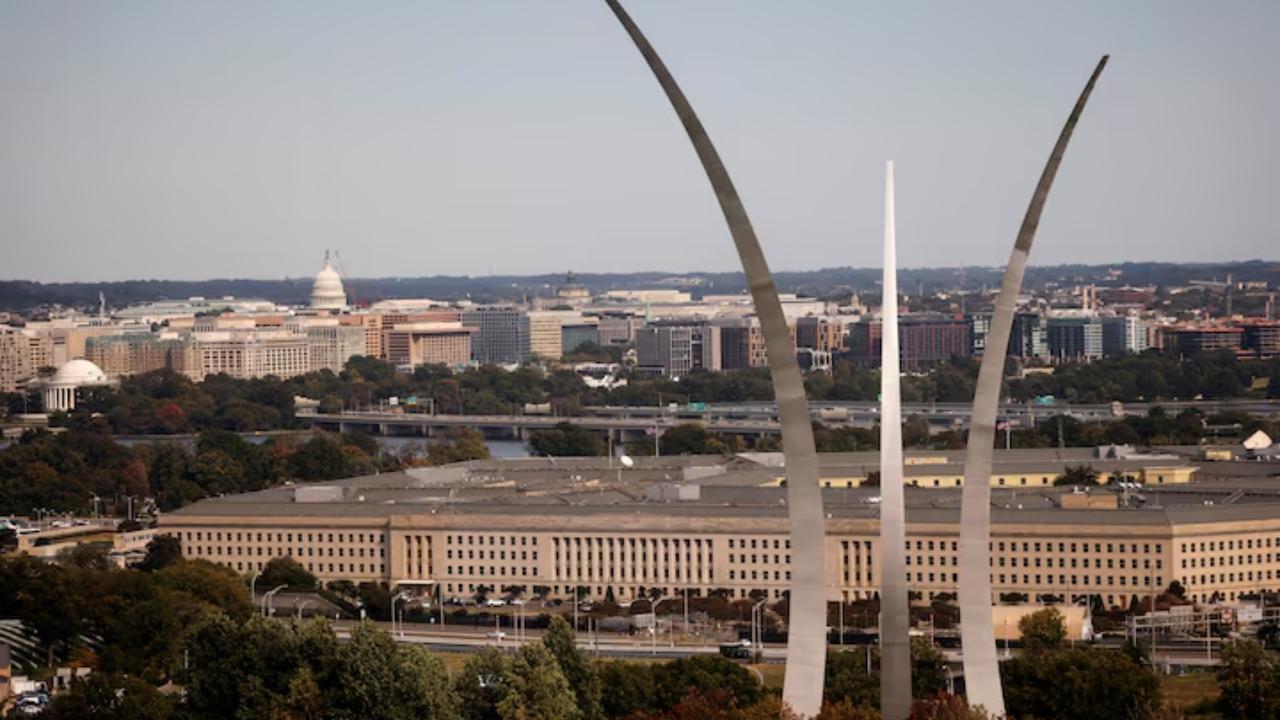
The Pentagon, which is the U.S. military’s main office, announced a new policy that updates how they record duty status for military personnel involved in immigration support missions.
Under the new rules:
It also means that the military will treat these missions more like other official operations, such as disaster relief or peacekeeping, where troops get full credit for their service.
Before this change, many troops were classified differently, sometimes as “temporary duty” or other categories that did not give them full credit for their time.
How Does This Affect the Military Members?
What Kind of Work Are the Military Doing?
Military leaders have said that this support is important because immigration agencies often do not have enough people or resources to handle large numbers of migrants, especially during surges.
Why Is the Military Involved in Immigration?
The U.S. Border Patrol and other immigration agencies are usually in charge of managing the border and migration issues. However, when there are large increases in people trying to enter the country, these agencies sometimes need extra help.
The military is called in to help because it has resources, equipment, and trained personnel who can quickly respond to emergency situations. Their involvement is meant to be temporary and supportive, not replacing the regular immigration agencies.
What Are Some Concerns?
Government’s Viewpoint
Officials from the Department of Defense said the new duty status rules will help military members feel more valued and fairly treated. They said it will also help make the rules clearer so there is no confusion about pay or benefits.
They stressed that the military’s role is supportive and that immigration remains a civilian responsibility.
The Pentagon also said it wants to make sure troops have the right protections and recognition for all the work they do.
What Do Experts Say?
Experts in military law and immigration policy say this change is a positive step to clear up confusion.
They note that recognizing the military’s role properly helps morale and shows respect for service members.
However, some experts suggest that there should also be a clear limit on how long and how often the military can be used in immigration work, to keep the balance between military and civilian roles.
How Does This Affect the Future?
The updated policy could set a standard for how the military supports other non-combat missions in the future.
It shows that the government is paying attention to the details of how troops are treated when they take on roles outside their usual duties.
At the same time, it raises questions about the long-term involvement of the military in immigration and similar issues.
Why Should We Care?
This news is important because it tells us how the government values the work of its soldiers and the way it manages complex issues like immigration.
It helps us understand how different parts of the government work together when facing big challenges.
For young people learning about the military and immigration, this story shows that soldiers do many jobs beyond fighting wars, including helping communities and supporting other government agencies.








Reopening of the Strait of Hormuz: New Regulations to Impact Global Trade
Iran reopens the strategic Strait of Hormuz with new regulations affecting oil transport and global

Top 10 Must-See Attractions in NYC for First-Time Explorers
Discover essential experiences for first-time visitors to NYC, including attractions, culture, and i

Starbucks Engages Boyu Capital for Major Chinese Expansion
Starbucks teams up with Boyu Capital, selling a majority stake to boost growth and adapt to the Chin

Three Individuals Charged in Massive Meth Trafficking Case in Malaysia
In Malaysia, a married couple and another suspect are charged with trafficking 510kg of meth, facing
Singapore Police Revisit Geylang Murder Scene with Suspect
In Geylang, police return a murder suspect to the scene of a crime involving the fatal stabbing of a