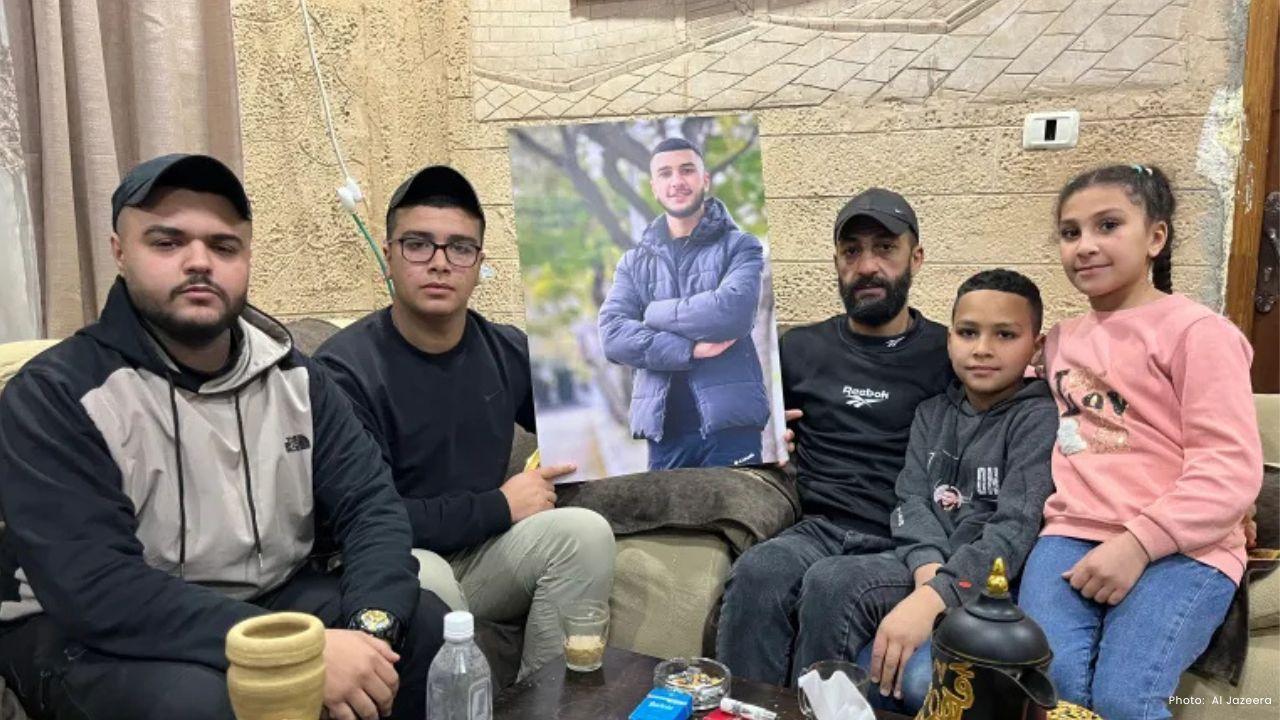
Post by : Saif Nasser
The death of a 17-year-old Palestinian boy in the occupied West Bank has once again raised hard questions about childhood, trauma, and conflict. His short life shows how growing up in a place filled with fear and violence can shape a young person’s choices and future.
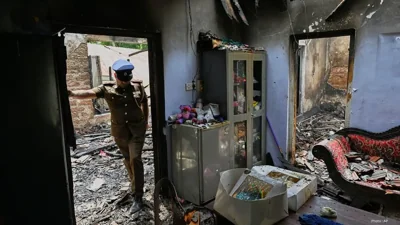
The teenager lived in the crowded Balata refugee camp near Nablus in the West Bank. Like many camps in the region, Balata is packed with families who have faced generations of displacement and hardship. Homes stand close together. Streets are narrow. Jobs are limited. Military raids and clashes are not rare events but part of normal life for many residents.
This was the world the boy grew up in. Instead of a peaceful childhood, he saw repeated violence around him. Friends and neighbors were killed in raids. Arrests were common. Fear was constant. People close to him said these events deeply affected his mind and emotions. He began to feel that danger and death were always near, and that long-term plans did not matter.
At one point, he was arrested for throwing stones during a confrontation. He later told people that his time in detention was harsh and frightening. After his release, those around him noticed that he had changed. He was more serious, more withdrawn, and more angry. School and career dreams slowly faded from his daily thoughts.
Not long after, he joined an armed group operating in the camp. To him and some others around him, this was seen as resistance. To others, it was a tragic step that put another young life directly in the path of lethal force. His family said he once wanted to work with computers and build a stable future. But the pull of conflict became stronger than the pull of ordinary dreams.
He was later killed during an Israeli military operation. He was still only 17. His death shocked his family but did not surprise them. They said they had long feared that the path he chose would end this way. His father described the pain of burying a child as something no parent is ever ready for.
This story is not only about one boy. It is about the environment that surrounds many children in conflict zones. When young people grow up with daily stress, repeated loss, and little sense of safety, their view of life can change. Experts who study trauma say that constant exposure to violence can affect how teenagers think, decide, and react. Risk begins to feel normal. Fear turns into anger. Anger can turn into action.
In refugee camps and conflict areas, mental health care is often limited. Counseling services are few. Schools are under pressure. Community programs lack funding. This means many children carry heavy emotional wounds without help. Over time, those wounds can shape major life decisions.
There is also a social side to this reality. In places where many people have suffered losses, the idea of sacrifice and resistance can become honored. Stories of fighters are remembered. Posters and murals appear. For some teenagers, this creates a powerful image of purpose and identity. It can make armed struggle seem meaningful, even when the risks are clear.
An editorial view must be honest: no child should be pulled into war. No teenager should feel that picking up a weapon is the only path to dignity. At the same time, it is too simple to judge from far away without seeing the daily conditions on the ground. Poverty, occupation, fear, and repeated grief all play a role in shaping behavior.
If the world wants fewer young fighters, it must care about young lives before they reach that point. That means safer neighborhoods, better schools, mental health support, and real political efforts to reduce violence. Security measures alone cannot heal trauma. Force alone cannot build hope.
The death of this 17-year-old should not be read as just another conflict statistic. It should be seen as a warning sign. When childhood is filled with danger instead of opportunity, the results are often tragic. Behind every headline is a family in mourning and a future that never had the chance to grow.






Achieve Radiant Skin with This Simple Rice Flour Treatment
Transform your skincare routine! Discover how a rice flour mix can restore your skin's glow without

Meta Unveils Subscription Plans for Instagram, Facebook, and WhatsApp
Meta introduces new subscription plans for users of Instagram, Facebook, and WhatsApp, featuring enh
Suvarna Joy on Education Leadership, Resilience, and Building Purpose Through Adversity in the UAE
Suvarna Joy shares her journey of education leadership, motherhood, faith, and resilience within the

Anticipated Dates for UAE Eid Al Adha 2026 Unveiled by Astronomical Experts
Experts predict Eid Al Adha 2026 in the UAE to start on May 27, prompting early holiday planning amo

DAE Achieves Remarkable Growth in Q1 2026 With Record Revenue
Dubai Aerospace Enterprise announces impressive financial results for Q1 2026, reflecting a surge in

Price Increase for Sony PS5 in Southeast Asia Effective May 1
Sony announces a price increase for the PS5 across Southeast Asia starting May 1, 2026, impacting ga




