Post by : Saif Nasser
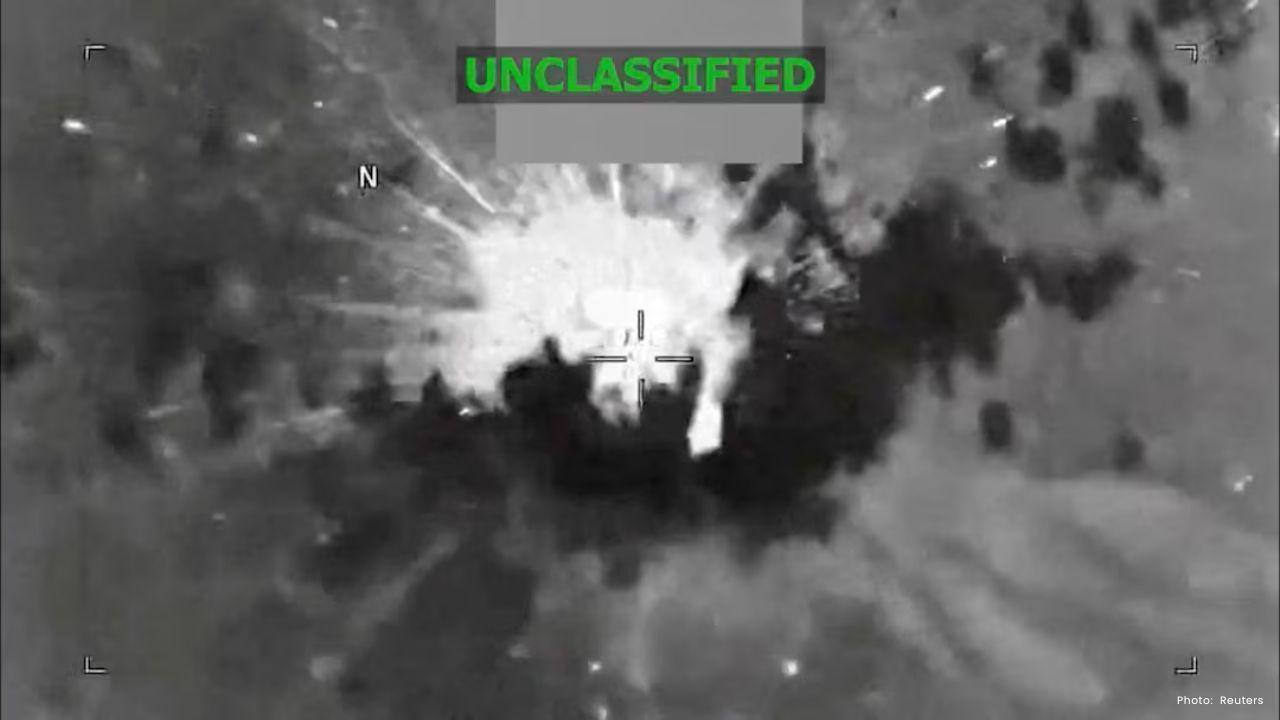
A recent military strike in the Caribbean has once again brought attention to how countries fight drug trafficking at sea and how much force should be used in such missions. According to official statements, US forces targeted a vessel believed to be involved in illegal drug transport. The strike destroyed the boat and killed three people on board. Authorities described the target as part of a narcotics smuggling operation, but full independent confirmation of the event is still limited.
Drug trafficking through sea routes has been a long-running problem in the Caribbean region. Smuggling groups often use small and fast boats to move illegal cargo across international waters. These boats are designed to avoid radar, change routes quickly, and escape law enforcement patrols. Because of this, military and security agencies say they must act fast when they identify a suspected trafficking vessel.
Officials said this operation was part of an ongoing campaign to reduce drug flows by stopping shipments before they reach land. In recent years, anti-drug missions at sea have increased in scale and intensity. Governments argue that cutting supply lines helps weaken criminal networks and reduces the availability of illegal drugs in major markets.
However, the use of deadly force at sea creates serious questions. When a vessel is destroyed instead of stopped and boarded, suspects cannot be questioned or put on trial. This removes the chance to gather deeper information about trafficking routes, partners, and financing. Critics say capture should be the first goal whenever it is safely possible.
Supporters of hard action respond that traffickers are often heavily equipped and may try to escape or resist. They argue that waiting too long can allow suspects to dump evidence, flee into open waters, or threaten officers. From this view, strong force acts as both prevention and warning.
There is also the issue of verification. Early reports in such cases often come from military sources. Independent review takes time. For public trust, experts say details should be shared clearly after operations, including why force was chosen and what alternatives were considered. Transparency helps people understand whether the response matched the threat.
Beyond this single strike, a larger debate continues about whether force alone can stop the drug trade. History shows that when one route is blocked, traffickers often find another. When one group is damaged, another may take its place. This suggests that enforcement is only one part of the solution.
Long-term progress usually depends on multiple steps taken together. These include international cooperation, financial tracking of criminal profits, border technology, community education, and treatment programs for addiction. Without reducing demand and illegal profits, supply networks tend to return.
Sea operations are among the hardest law enforcement tasks. The ocean is wide, rules can differ across borders, and decisions must be made quickly. That is why strong oversight and clear rules of engagement are important. They guide officers in high-pressure moments and protect both security goals and human rights.
This Caribbean strike is not just a security story. It is also a policy test. It asks how far governments should go in using military power against criminal activity and how they balance speed, safety, law, and accountability.








Elevate Your Mornings: 7 Protein-Packed Breakfast Ideas
Discover 7 quick and nutritious high-protein breakfasts to keep you energized and focused throughout

Unlocking Wellness in the UAE: 7 Transformative Habits
Explore 7 effective wellness practices inspired by the UAE lifestyle for a healthier, happier life.

Starbucks Engages Boyu Capital for Major Chinese Expansion
Starbucks teams up with Boyu Capital, selling a majority stake to boost growth and adapt to the Chin

Three Individuals Charged in Massive Meth Trafficking Case in Malaysia
In Malaysia, a married couple and another suspect are charged with trafficking 510kg of meth, facing

Singapore Police Revisit Geylang Murder Scene with Suspect
In Geylang, police return a murder suspect to the scene of a crime involving the fatal stabbing of a