Post by : Mina Rahman
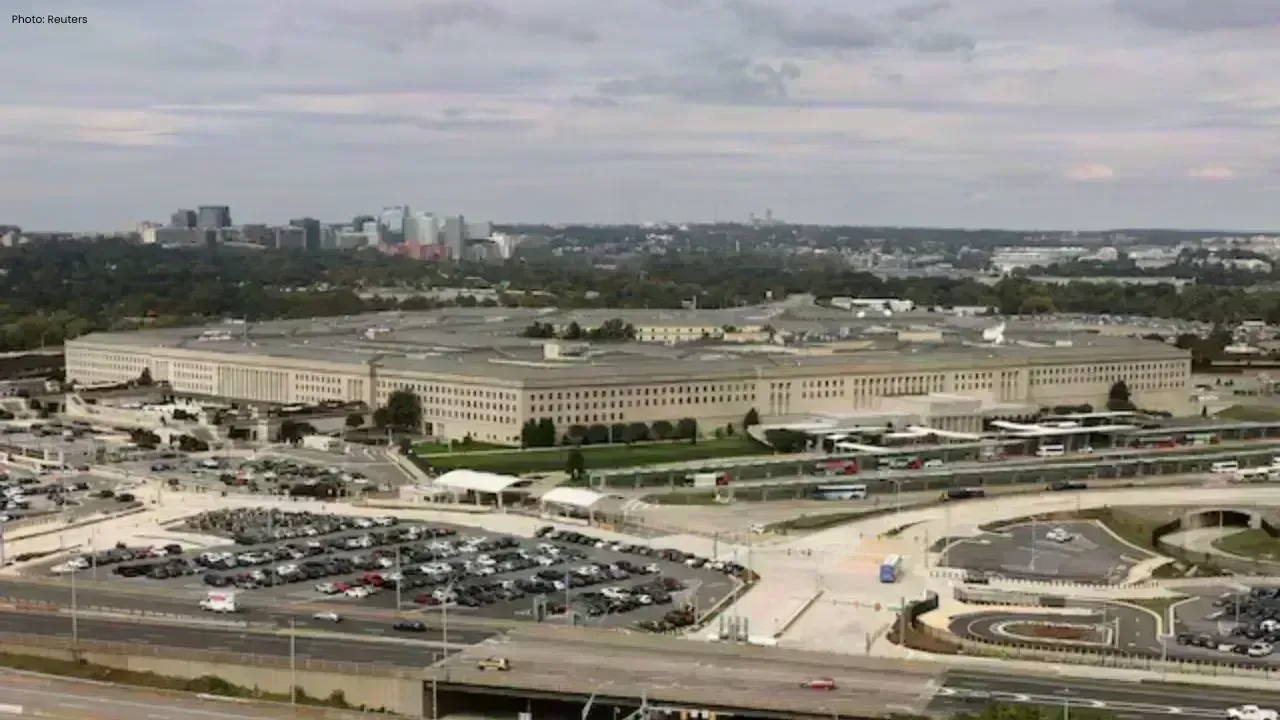
The U.S. Department of Defense has revealed that its involvement in deterring North Korea might become “more limited” moving forward, with South Korea expected to take a lead role in managing threats from Pyongyang. This transition is detailed in a recent policy document issued on Friday, suggesting a possible reduction in the number of American troops stationed in Korea.
Currently, approximately 28,500 U.S. troops are based in South Korea, playing an essential role in the enduring joint security framework aimed at rapidly addressing North Korean military actions. For decades, the presence of U.S. forces has been considered crucial for deterrence, providing Seoul with support through joint training initiatives, intelligence sharing, and prompt response actions.
However, the latest directives from the Pentagon hint that the responsibility may increasingly shift to South Korea, promoting a move towards enhanced regional self-sufficiency and improved national defense capabilities. Although the document does not explicitly mention plans for immediate troop withdrawals, its wording suggests a potential shift in the U.S.'s approach to security commitments in the area.
This situation arises as South Korea is actively enhancing its military capabilities. With a 7.5% increase in its defense budget for the year, the nation emphasizes its commitment to expanding capabilities and bolstering its deterrence against North Korea’s escalating weapons initiatives and ongoing military threats.
Experts note that this policy might encourage South Korea to invest more in advanced defense systems, surveillance, and offensive capabilities while improving coordination with allied forces. Moreover, any prospective decrease in U.S. troop levels will be closely monitored throughout Northeast Asia, considering the importance of American forces in ensuring regional stability and maintaining a robust allied response to potential tensions.
Currently, the alliance between Washington and Seoul remains strong and functional; however, the new policy suggests a future scenario where South Korea will shoulder greater frontline responsibilities, while U.S. support becomes progressively more selective and limited in nature.








7.5 Magnitude Earthquake Strikes Japan, Tsunami Alerts Issued
Japan experiences a hefty 7.5 quake, prompting tsunami alerts and safety measures. Stay updated on a

Reopening of the Strait of Hormuz: New Regulations to Impact Global Trade
Iran reopens the strategic Strait of Hormuz with new regulations affecting oil transport and global

Top 10 Must-See Attractions in NYC for First-Time Explorers
Discover essential experiences for first-time visitors to NYC, including attractions, culture, and i

Starbucks Engages Boyu Capital for Major Chinese Expansion
Starbucks teams up with Boyu Capital, selling a majority stake to boost growth and adapt to the Chin

Three Individuals Charged in Massive Meth Trafficking Case in Malaysia
In Malaysia, a married couple and another suspect are charged with trafficking 510kg of meth, facing