Post by : Anees Nasser
Electricity often goes unnoticed until it falters. While it quietly powers homes, industries, and hospitals, it's only when officials warn about “stress conditions” that public concern surfaces.
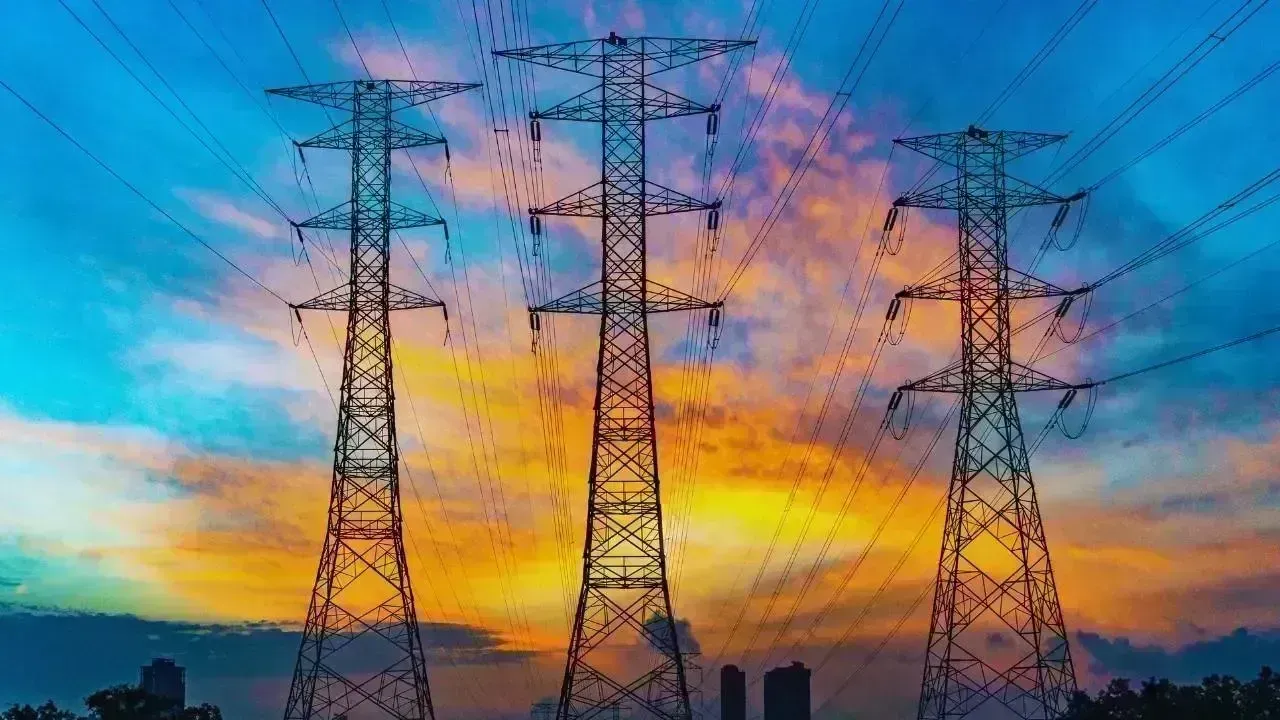
Currently, India’s power grid is under examination as soaring demands, intense heat, regional supply disparities, and transmission limitations push the system toward breaking point. Although authorities assure that immediate risks are minimal, this situation reveals persistent issues within India’s energy framework.
This narrative doesn't point to an impending breakdown but reflects a system grappling with challenges and what they signify for India’s future energy needs.
Grid stress signifies a situation where electricity demand nears or slightly surpasses safe supply levels, hampering the system's adaptability.
In scenarios with slim reserves, minor incidents—a power plant failing or a quick increase in demand—can create significant impacts.
A grid under stress can still function but lacks robust safety margins. Authorities closely observe frequency and reserve levels to avert serious failures.
Extreme temperatures, especially urban heat, have led to a significant rise in air conditioning use, causing surges during peak usage times.
Industrial production and ongoing construction projects have established a steady demand, complicating efforts to manage consumption.
As electricity-consuming appliances become commonplace, overall demand continues to grow, promoting sustained pressure on power systems.
Ministry of Power representatives assert the stability of the grid, claiming that effective strategies are in place to handle demand-supply disparities.
Although some supply challenges are noted, thorough planning and cross-regional assistance are enabling the prevention of more severe outages.
Transmission entities remain vigilant, focusing on swiftly addressing any faults or inconsistencies in load management.
India’s electricity production is not consistently distributed; certain areas produce excess power, while others depend heavily on the national grid.
Even where power generation is ample, limitations in transmission can hinder efficient distribution in high-demand regions, exacerbating grid stress.
Extreme weather issues propagate simultaneous demand spikes and local disruptions, affecting grid stability.
Despite a shift towards renewables, coal continues to underpin India’s power framework, and any disruption in its supply impacts overall availability.
Regular checks on coal stock levels ensure ongoing generation, with rail and maritime logistics playing a key role.
Officials recognize the long-term necessity to decrease coal reliance, yet emphasize the importance of maintaining reliability during critical demand periods.
Renewable sources are now a significant segment of India’s electricity capabilities, providing crucial support to the grid during daylight.
Nevertheless, renewable energy's inconsistent production due to weather can aggravate grid stress without adequate backup mechanisms.
The current grid stress signals the immediate requirement for improvements in storage solutions and enhanced forecasting techniques.
Many transmission lines are near full capacity, especially at peak levels, while older infrastructure is more prone to failures.
Although new projects aim to boost capacity, they often fall short of meeting rising demand, leading to temporary obstacles.
It’s crucial to incorporate smart technologies and monitoring systems to handle complex developmental patterns effectively.
Although widespread outages are improbable, authorities haven’t excluded the occurrence of localized load shedding in extreme cases.
Industries will likely be encouraged to reschedule non-critical electrical usage to ease grid burdens.
Citizens are frequently reminded to conserve electricity during peak periods, with a call for collective effort towards grid stability.
Even minimal disturbances can disrupt production and services, leading to broader economic ramifications.
Activating backup plants or importing energy heightens operational costs, potentially influencing future pricing.
A reliable power supply is crucial for investor confidence; ongoing issues could lead to concerns regarding infrastructure sufficiency.
India has historically managed stress during heatwaves and recovery periods, leading to gradual enhancements in planning and coordination.
Improvements in energy demand forecasting and collaboration among agencies have diminished the risks of abrupt failures.
Operators are leveraging advanced tools for real-time monitoring and adaptive supply adjustments.
Excess energy from regions with low demand is redirected to meet the needs of areas experiencing higher consumption.
Priority is being given to backup generation and reserves during peak consumption times.
Future energy projects include thermal, hydro, and renewable expansions to address the increasing demand in the coming decade.
Enhanced battery storage and pumped hydro solutions are vital for alleviating grid pressures.
Promoting energy-efficient devices and dynamic pricing can effectively moderate peak loads.
Climate change is leading to more frequent and severe weather events, straining the power infrastructure.
Future energy systems must be developed with extreme weather in mind, enhancing resilience beyond historical norms.
Public unease about power issues escalates quickly, as electricity is integral to everyday life. Even precautionary messages can lead to heightened anxiety.
Officials emphasize that clear and prompt communication is essential to counter misinformation and manage public concerns.
Experts suggest the ongoing stress can be managed; however, it points to a greater issue of infrastructure lagging behind growing demand.
How well the grid copes with these pressures will influence future perceptions regarding India's energy transition.
Though India's power grid is currently managing to hold, it faces considerable strain. Escalating demand, climate-related challenges, and outdated infrastructure bring to light the critical need for a more dynamic approach to grid management. While the immediate risks seem controlled, this episode underscores the necessity for India to enhance its energy infrastructure swiftly, aligning with future demands and sustainable practices.
The focus must now shift from mere immediate responses to ongoing readiness. In a thriving economy, electricity is not merely a utility; it underpins all progress.
This article serves informational purposes only and should not be construed as technical, regulatory, or financial advice. Conditions surrounding power supply and gubernatorial responses may vary due to demand, meteorological, and operational considerations. Readers should refer to official communication for the latest updates.









Anticipated Dates for UAE Eid Al Adha 2026 Unveiled by Astronomical Experts
Experts predict Eid Al Adha 2026 in the UAE to start on May 27, prompting early holiday planning amo

DAE Achieves Remarkable Growth in Q1 2026 With Record Revenue
Dubai Aerospace Enterprise announces impressive financial results for Q1 2026, reflecting a surge in

Price Increase for Sony PS5 in Southeast Asia Effective May 1
Sony announces a price increase for the PS5 across Southeast Asia starting May 1, 2026, impacting ga

Potential ‘Super El Niño’ in 2026: Understanding the Climate Risks
Could a Super El Niño emerge in 2026? Discover its implications and potential global climate impacts

Global Energy Crisis Intensifies: Markets React to Oil Supply Challenges
Markets are on edge as oil disruptions escalate, influencing prices and economic stability. Explore

Must-See Tourist Spots in London You Can't Overlook
Explore London's essential attractions, from royal landmarks to vibrant markets, ensuring an unforge




